

Have you ever spotted a wild turkey strutting through the woods or crossing your backyard and wondered, “Can wild turkeys actually fly?” It’s a common question because, let’s face it, turkeys look pretty hefty and a bit awkward on the ground. But the truth might surprise you.
Whether you’re curious about their surprising bursts of speed or how these birds escape danger, understanding wild turkeys’ flying abilities will change the way you see them. Keep reading to discover how far and fast wild turkeys can really fly—and why this skill is crucial for their survival.
You might never look at turkeys the same way again!
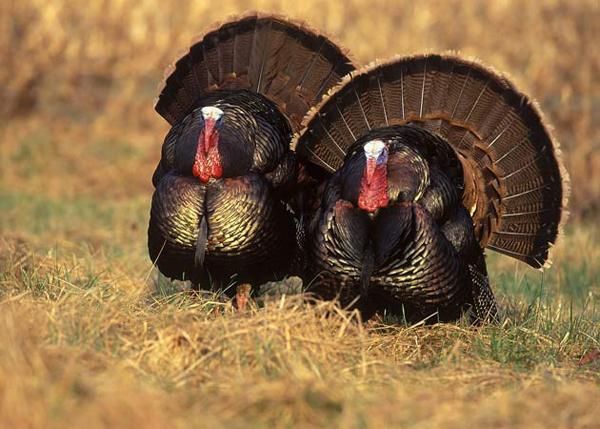
Credit: www.livescience.com
Flight Abilities
Wild turkeys are often misunderstood when it comes to their flight abilities. Many assume these large birds cannot fly due to their size and weight. In reality, wild turkeys are capable flyers, but their flight style is very different from smaller birds. They rely on quick bursts of power rather than long, steady flights. Their flight abilities serve specific purposes essential for survival.
Flight Distance
Wild turkeys usually fly short distances. They can cover up to a quarter mile in one flight. This distance is enough to escape danger or reach a tree for roosting. Long-distance flights are rare because turkeys prefer to stay close to the ground. Their strong legs make running an efficient way to move around.
Flight Speed
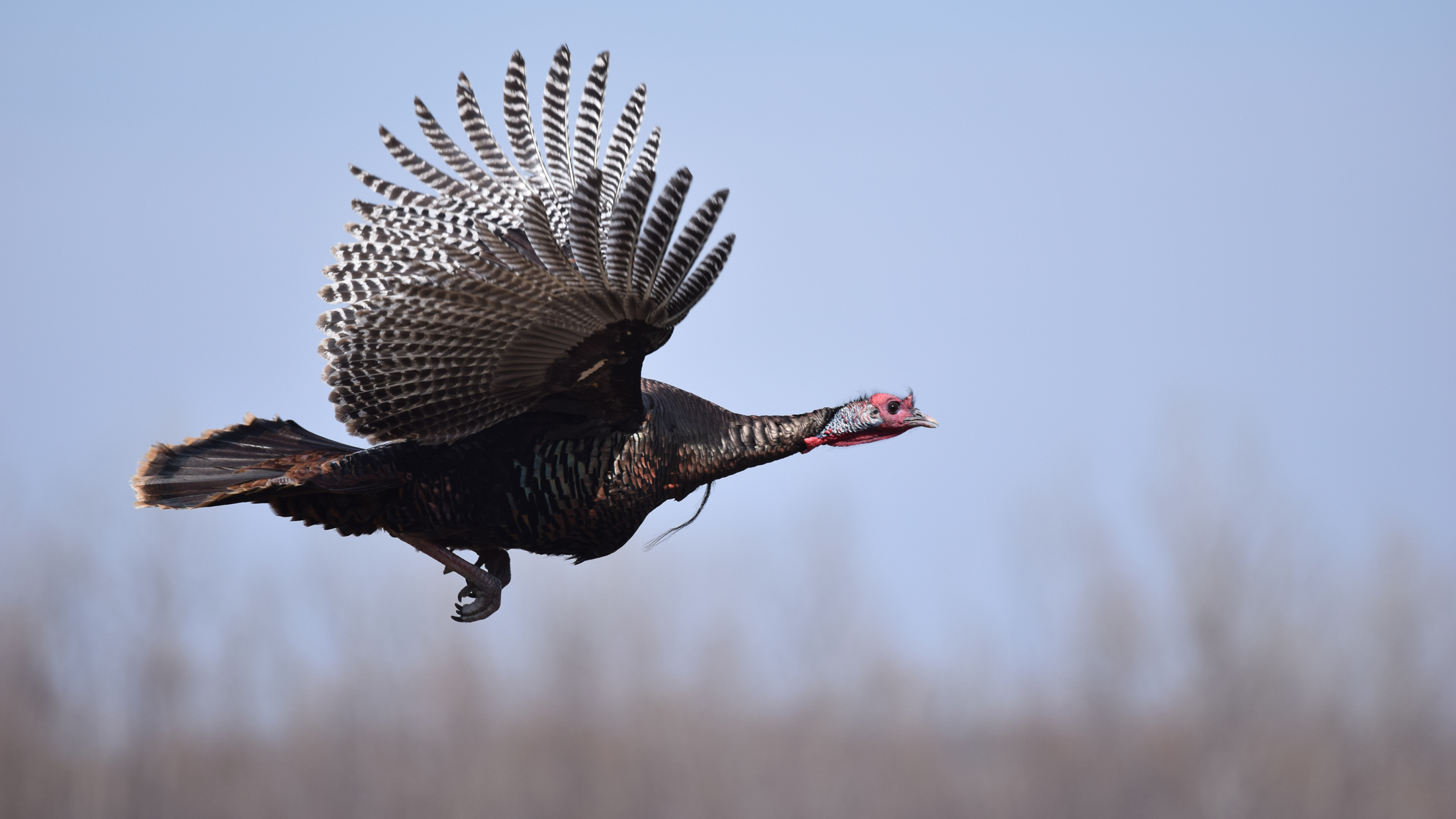
Wild turkeys can fly at speeds up to 55 miles per hour. This speed helps them quickly evade predators. Their powerful wing beats create rapid bursts of movement. Despite their size, they maneuver well through forests and brush. Speed is a key factor in their survival strategy.
Purpose Of Flight
Flight mainly helps wild turkeys escape threats. They also use flight to reach roosting spots high in trees. Flying allows them to cross obstacles like rivers or roads. Unlike migratory birds, turkeys do not fly to find food or migrate. Their flights are short, purposeful, and often sudden.
Flight Duration
Wild turkeys fly for very short periods. Flights usually last less than 30 seconds. This short duration matches their quick takeoff and landing style. Turkeys prefer to conserve energy and avoid long flights. Their flights are bursts of power rather than endurance flights.
Ground Movement
Wild turkeys spend much of their time on the ground. Their ground movement plays a key role in how they search for food and avoid danger. They walk, run, and use clever tactics to stay safe. Their habits also change with the time of day and season.
Walking And Running
Wild turkeys walk slowly while searching for food. They pick up seeds, insects, and small plants. Their long legs help them move quietly through grass and leaves. When danger appears, turkeys run fast. They can sprint up to 20 miles per hour. Running helps them escape from predators without needing to fly.
Escape Tactics
Turkeys use running as their first defense. They often run in zigzag patterns to confuse hunters or animals chasing them. If running is not enough, they can fly short distances. Flying helps turkeys reach trees or bushes quickly. This quick flight is usually just to escape immediate threats.
Roosting Habits
At night, wild turkeys roost in trees. They fly up to high branches to stay safe from ground predators. This behavior shows why flying, even if brief, is important for survival. Turkeys return to the ground early in the morning to forage and walk again.
Wild Vs Domestic Turkeys
Wild and domestic turkeys differ greatly in appearance, behavior, and abilities. These differences affect their ability to fly and survive in nature. Understanding these contrasts helps explain why wild turkeys can fly but most domestic turkeys cannot.
Physical Differences
Wild turkeys are leaner with longer legs and wings. Their feathers are darker and have a shiny, iridescent look. Domestic turkeys are bred to be much heavier. They have shorter legs and smaller wings. This body shape makes flying very difficult for domestic turkeys.
Flight Capability
Wild turkeys can fly short distances quickly. They use flight to escape predators and reach trees to roost. Their wings are strong and built for fast takeoffs. Domestic turkeys rarely fly. Their heavy bodies and small wings limit flight. They mainly walk or run to move around.
Behavioral Traits
Wild turkeys are alert and cautious. They fly to avoid danger and find food. They roost in trees at night for safety. Domestic turkeys are calmer and less alert. They live in protected environments and do not need to escape predators. Their behavior reflects their limited need for flight.
Credit: www.weareteachers.com
Aggressive Behavior
Wild turkeys show aggressive behavior especially during certain times or under specific conditions. This behavior helps protect their territory, mates, and food sources. Understanding what causes this aggression can help people avoid conflicts with these birds. Wild turkeys may chase, peck, or flap their wings to scare off threats.
Causes Of Aggression
Wild turkeys become aggressive when they feel threatened. They may attack if humans or animals come too close. Food scarcity can also increase their aggression. Turkeys want to protect their feeding spots. Male turkeys, called toms, can be very territorial. They defend their area from other males and intruders.
Breeding Season Impact
During breeding season, aggression in wild turkeys rises sharply. Toms fight to win over females. They use loud gobbling and displays to show dominance. These fights can be violent with pecking and wing slapping. The breeding season usually lasts from spring to early summer. Aggressive behaviors help turkeys secure mates and breeding rights.
Habituation Effects
Turkeys that get used to humans lose their natural fear. This is called habituation. Habituated turkeys may approach people expecting food. They may become bolder and more aggressive. Such turkeys can chase or peck at people. Avoid feeding wild turkeys to reduce habituation. Keeping a safe distance helps prevent aggressive encounters.
Safety Tips
Wild turkeys can sometimes act aggressively, especially during breeding season or if they feel threatened. Knowing how to stay safe around them is important. These safety tips help you avoid injury and keep turkeys calm. Respect their space and understand their behavior to prevent conflicts.
How To React
Stay calm if a wild turkey approaches you. Do not run or make sudden moves. Back away slowly and give the bird space. Avoid eye contact, which turkeys may see as a challenge. Use a firm voice to scare it off if it comes too close. Walk away calmly and do not turn your back on the bird.
Using Objects For Defense
Carry a walking stick or umbrella when in areas with wild turkeys. Raise the object slowly if a turkey acts aggressive. Do not hit the bird, but use the stick to keep it at a distance. Loud noises, like clapping or banging a stick, can also discourage turkeys. Always protect your face and body from pecks or scratches.
Avoiding Food Conflicts
Never feed wild turkeys. Feeding makes them lose fear of humans and act boldly. Store food securely when outdoors to avoid attracting turkeys. Avoid eating outside where turkeys are common. Clean up food scraps and trash quickly. Keeping turkeys away from your food helps prevent fights and injuries.
Credit: blog.nature.org
Common Misconceptions
Wild turkeys have sparked many myths and misunderstandings. Some people think these birds are clumsy or harmless. Others believe turkeys never fly or that they pose no danger to humans. Clearing up these common misconceptions helps us better understand wild turkeys’ behavior and nature.
Wild turkeys are strong flyers but prefer short flights. They can be protective and sometimes aggressive. They interact with humans in ways that might surprise many.
Can Turkeys Hurt Humans?
Yes, wild turkeys can hurt humans, but rarely in serious ways. Male turkeys may attack during breeding season. They use their sharp claws and beaks to defend themselves. Injuries often include scratches or pecks. Most attacks happen if turkeys feel threatened or cornered. People feeding turkeys can also encourage aggressive behavior. Making loud noises or using a broom often scares turkeys away.
Why They Attack Shiny Objects
Turkeys sometimes attack shiny objects because they mistake reflections for rivals. The glare can confuse and irritate them. During mating season, male turkeys become territorial. They see their reflection as a threat or competitor. This causes them to peck or strike mirrors, windows, and car surfaces. Removing or covering shiny items can reduce attacks.
Urban Turkey Encounters
Wild turkeys often adapt well to city life. They roam parks, yards, and streets in many towns. Urban turkeys may lose their fear of humans. This makes some people uneasy or curious. Turkeys might block traffic or damage gardens while searching for food. Many cities now educate residents on how to coexist safely with turkeys. Giving turkeys space and avoiding feeding them helps prevent problems.
Frequently Asked Questions
How Far Can Wild Turkeys Fly?
Wild turkeys fly short distances, usually less than a quarter mile. They use quick bursts to escape predators or reach roosts. Their flight is fast but not sustained like migratory birds. Wild turkeys mainly fly low and short to navigate obstacles or trees safely.
Can Wild Turkeys Actually Fly?
Wild turkeys can fly short distances with quick, powerful bursts. They use flight mainly to escape predators and roost in trees at night. Unlike domestic turkeys, wild ones remain light and agile enough for flight but do not sustain long journeys like migratory birds.
Can A Wild Turkey Hurt A Human?
Yes, wild turkeys can hurt humans by scratching, pecking, or chasing, especially during breeding season or if they feel threatened. They rarely cause serious injuries but can knock people down. Avoid feeding them and keep distance to prevent aggressive behavior.
What Are Three Interesting Facts About Wild Turkeys?
Wild turkeys can fly short distances at speeds up to 55 mph. They roost in trees at night for safety. Males display a fan-shaped tail to attract females during mating season.
Conclusion
Wild turkeys can fly, but only for short distances. They use flight mainly to escape danger or reach tree roosts. Unlike domestic turkeys, wild ones are lighter and stronger fliers. Their quick takeoffs help them avoid predators. Knowing this helps us understand their behavior better.
Next time you see a turkey, watch how it moves on land and air. Their flying ability is a key part of their survival. Wild turkeys show us nature’s balance between strength and agility.