

Have you ever wondered what eagles eat to stay strong and soar high? Knowing what’s on an eagle’s menu can surprise you.
From fish to small mammals, these powerful birds have a varied diet that helps them thrive in the wild. If you want to understand their hunting habits and what fuels their majestic flight, keep reading. You’ll discover fascinating facts about their favorite foods and how their eating habits shape their role in nature.
Ready to find out what eagles really eat? Let’s dive in!
Credit: www.youtube.com
Eagle Diet Basics
Eagles are powerful birds known for their keen hunting skills. Their diet varies by habitat and species. Understanding eagle diet basics helps reveal how they survive and thrive.
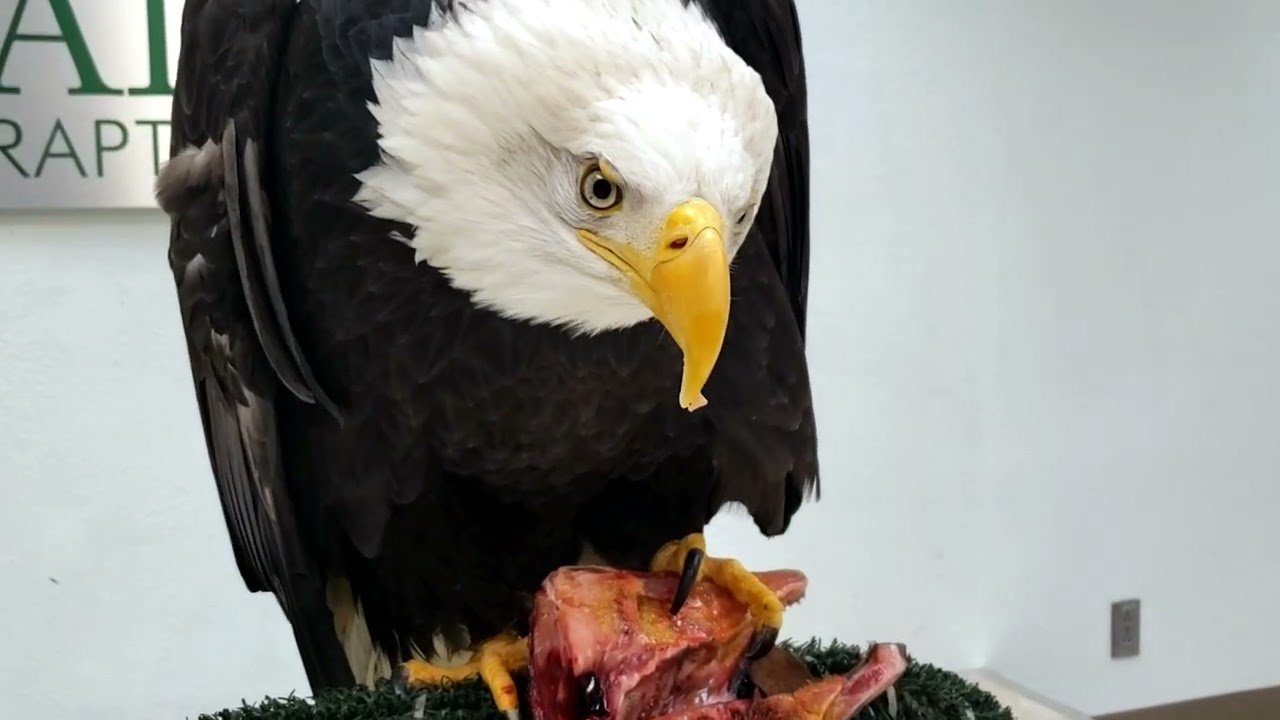
These birds are carnivores. They rely mainly on animals for food. Their strong talons and sharp beaks help catch and eat prey. Eagles eat a variety of animals, including fish, mammals, and birds.
Primary Food Sources
Eagles eat mainly animals found near water or open land. Fish make up the largest part of their diet. They also hunt small mammals and birds. Sometimes, they eat carrion or steal food from other animals. Their diet depends on what is easy to catch.
Fish As Top Choice
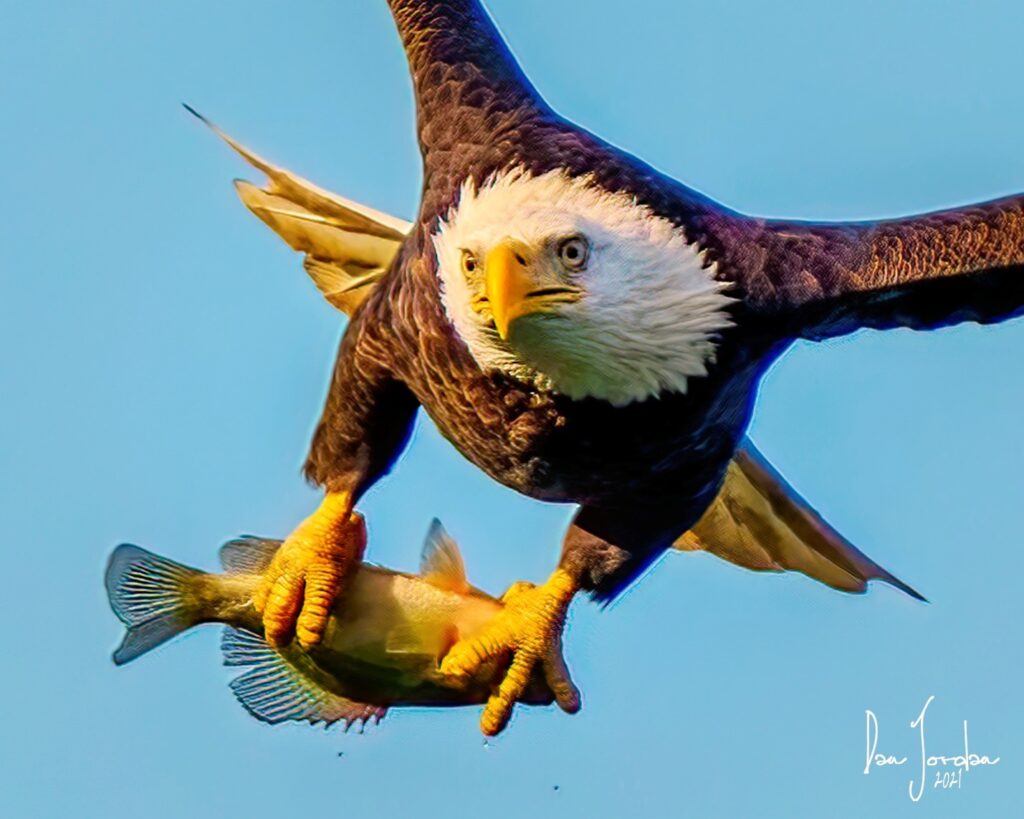
Fish are the favorite food for many eagle species, especially bald eagles. They hunt fish from lakes, rivers, and coastal areas. Eagles spot fish swimming near the surface. They swoop down and grab fish with strong claws. Fish provide high energy and nutrition. This food source supports eagle health and strength.
Small Mammals And Birds
Eagles also hunt small mammals like rabbits, squirrels, and rodents. These animals live in forests and fields. Eagles use sharp eyesight to find them. They catch birds such as ducks or other waterfowl too. Hunting small mammals and birds helps eagles when fish are scarce. This varied diet keeps eagles well-fed in different environments.

Credit: www.nationalgeographic.com
Hunting Techniques
Eagles use a mix of skill and power to catch their food. Their hunting style depends on the environment and the type of prey. Each move is precise, showing their sharp instincts and strength. Observing these techniques helps understand how eagles survive in the wild.
Fishing Skills
Eagles excel at fishing, often swooping down to grab fish with their talons. They spot fish from high above water using keen eyesight. Their feet are strong and equipped with sharp claws to hold slippery fish. Eagles fly low over water, then quickly snatch fish near the surface.
Prey Capture Methods
Besides fishing, eagles hunt small mammals and birds. They use surprise and speed to catch prey unaware. Eagles often perch quietly, waiting for the right moment to strike. Some chase prey in flight or on the ground with powerful dives. Their talons deliver a strong grip to secure the catch.
Energy And Aerodynamics
Flying with prey needs energy and smart body use. Eagles have large wings that allow smooth gliding and fast dives. They balance weight carefully to carry food without losing speed. Their aerodynamic shape reduces air resistance during flight. This efficiency helps them hunt longer without tiring quickly.
Eagles And Small Pets
Eagles are powerful birds of prey known for their sharp vision and hunting skills. They mostly eat fish, small mammals, and birds. Sometimes, small pets like dogs and cats can attract their attention. Understanding this interaction helps keep pets safe.
While eagles do not usually hunt pets, small dogs and cats may be at risk in certain situations. Knowing the factors that increase attacks and how to prevent them is important for pet owners.
Risk To Dogs And Cats
Small dogs and cats can be seen as prey by eagles. Young or hungry eagles might try to attack. Injuries can be serious, sometimes needing veterinary care. Pets left outside without supervision face higher risks. Larger pets are usually safe from eagle attacks.
Factors Increasing Attacks
Size matters; small pets weigh less and are easier targets. Hunger or desperation in eagles raises attack chances. Pets roaming near water or open fields are more vulnerable. Nesting season can also increase eagle activity near homes. Poor pet supervision allows more risk.
Preventive Measures
Keep small pets indoors or in secure enclosures. Avoid letting pets roam freely near lakes or forests. Supervise pets during eagle nesting seasons. Use covered outdoor spaces or fencing to deter birds. Removing food sources that attract eagles helps reduce risk.
Weight Limits On Prey
Eagles are powerful birds, but they have limits on the prey they can carry. Their size and strength set the boundaries for how heavy their catch can be. Understanding these weight limits helps explain their hunting habits.
Carrying prey that is too heavy wastes energy and can be dangerous. Eagles must balance the effort of flying with the need to bring food back to their nest or eat it on the spot.
Carrying Capacity
Eagles usually carry prey that weighs less than half their body weight. For example, a Bald Eagle weighs about 10 to 14 pounds. It can lift prey weighing around 4 to 7 pounds safely.
Heavy prey makes flying difficult and reduces speed. Eagles use strong talons and powerful wings to hold their catch. But if the prey is too heavy, they may drop it or eat it where they catch it.
Impact On Hunting Choices
Weight limits influence what eagles decide to hunt. They prefer fish, ducks, or small mammals that fit within their carrying capacity. Large animals are usually avoided unless the eagle plans to eat them on the ground.
Eagles may also scavenge or steal food from other birds to reduce effort. Their choice depends on what is easiest to catch and carry. This strategy helps them save energy while feeding themselves and their young.
Seasonal Diet Changes
Eagles do not eat the same food all year. Their diet changes with the seasons. These changes help them meet their energy needs. Different foods become available during different times. Eagles adapt to these changes to survive and raise their young.
Seasonal diet changes are important. They affect what eagles hunt and eat. The food choices depend on weather, prey availability, and nesting needs.
Nesting Season Needs
During nesting, eagles need more energy. They hunt more fish and small mammals. This food helps them feed their chicks. Eagles also eat birds and carrion when fish are scarce. They focus on high-protein food to support growth. Nesting season lasts several months in spring and early summer.
Opportunistic Feeding
Eagles eat what they find easily. They catch fish from lakes and rivers. They also hunt rabbits, squirrels, and other small animals. If food is hard to find, eagles may scavenge. This means eating dead animals or stealing food. Opportunistic feeding helps eagles survive harsh seasons. They change their diet depending on what is available.
Unusual Eagle Prey
Eagles are known for their powerful hunting skills and diverse diet. While fish and small mammals are common prey, eagles sometimes eat unusual foods. These rare choices show their adaptability and survival skills.
Unusual prey can include dead animals and unexpected live targets. This flexibility helps eagles survive in different environments and seasons.
Carrion Consumption
Eagles often eat carrion, which means dead animals. They do not mind scavenging on animal remains. This behavior helps them find food when hunting is difficult.
Eating carrion also reduces waste in nature. Eagles use their strong beaks to tear through tough skin and muscles. Carrion can include roadkill, fish that washed ashore, or dead birds.
This scavenging habit is common among bald eagles and golden eagles. It allows them to survive harsh winters or food shortages.
Rare Or Surprising Foods
Some eagles eat unusual prey like reptiles, amphibians, or even insects. For example, certain eagle species catch snakes or lizards. These animals provide extra nutrition when fish or mammals are scarce.
There are reports of eagles hunting baby birds or stealing eggs from nests. They may also prey on small domestic animals like cats or dogs, but this is rare.
In coastal areas, eagles sometimes eat crabs or other shellfish. This shows their ability to use different food sources depending on location.
Unusual prey choices demonstrate eagles’ wide diet and survival tactics. Their hunting skills and adaptability make them top predators in many habitats.
Credit: wellsvillesun.com
Frequently Asked Questions
What Are Eagles’ Favorite Foods?
Eagles prefer fish as their main food. They also eat sea birds, ducks, rabbits, squirrels, prairie dogs, and muskrats.
Can An Eagle Pick Up A 20 Lb Dog?
Eagles rarely carry dogs weighing 20 lbs. Their lifting capacity usually maxes near 4-5 lbs. Larger dogs are too heavy to fly with. Eagles may attack smaller pets but cannot lift heavy animals like a 20 lb dog.
Do Bald Eagles Eat Dogs Or Cats?
Bald eagles rarely eat dogs or cats. They may attack small, unattended pets but prefer fish and birds. Larger pets are usually too heavy to carry. Eagles mostly hunt fish, birds, and small mammals like rabbits, avoiding larger animals.
What Are 5 Interesting Facts About Eagles?
Eagles have excellent eyesight, spotting prey from miles away. They build large nests called eyries. Eagles can fly at speeds over 100 mph. They primarily eat fish but also hunt small mammals. Eagles mate for life and fiercely protect their territory.
Conclusion
Eagles eat mostly fish, but they also hunt small animals. They adapt their diet based on what is available nearby. These birds are strong hunters, skilled at catching prey. Their varied diet helps them survive in many environments. Watching eagles feed reveals their power and agility.
Understanding what eagles eat shows their role in nature’s balance. They are important predators that keep ecosystems healthy. Eagles’ eating habits are fascinating and vital to their life.