

Have you ever wondered what mockingbirds enjoy eating in your backyard? If you’re curious about what fuels these lively, melodic birds, you’re in the right place.
Knowing what mockingbirds eat can help you attract them to your yard and keep them coming back season after season. From juicy fruits to crunchy insects, mockingbirds have a varied diet that changes throughout the year. You’ll discover exactly what foods to offer and how to create the perfect feeding environment for these clever birds.
Keep reading to learn how to make your yard a favorite dining spot for mockingbirds!
Credit: www.birdsandblooms.com
Diet Composition
Mockingbirds have a varied diet that changes with the seasons. They eat different types of food to get all needed nutrients. Their diet mainly includes insects, fruits, and seeds. This variety helps them survive in many habitats.
Insects And Arthropods
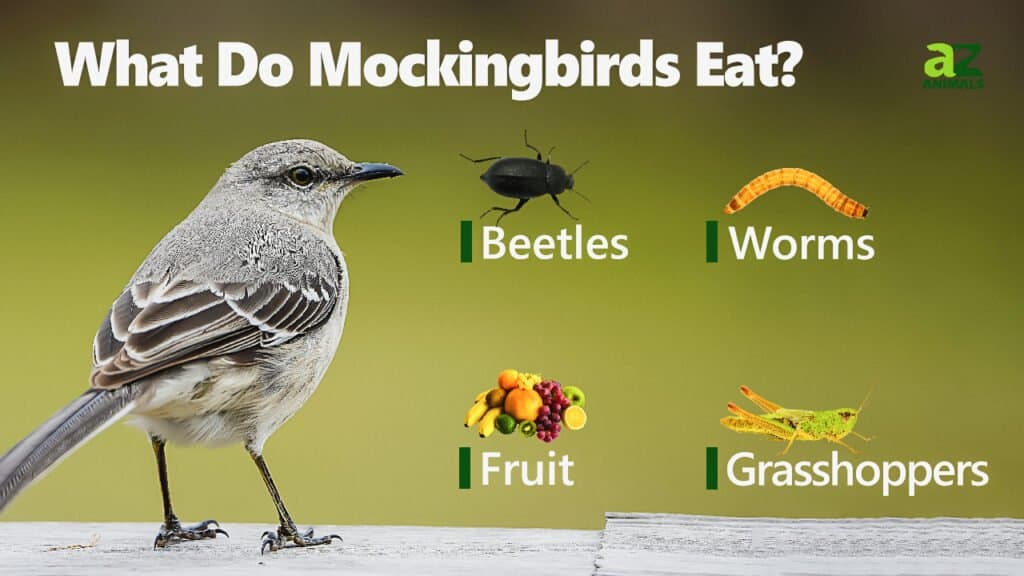
Mockingbirds eat many insects and small arthropods. They catch beetles, grasshoppers, caterpillars, and ants. These animals provide protein and energy. Mockingbirds often hunt on the ground or in bushes. Insects form a large part of their diet, especially in spring and summer.
Fruits And Berries
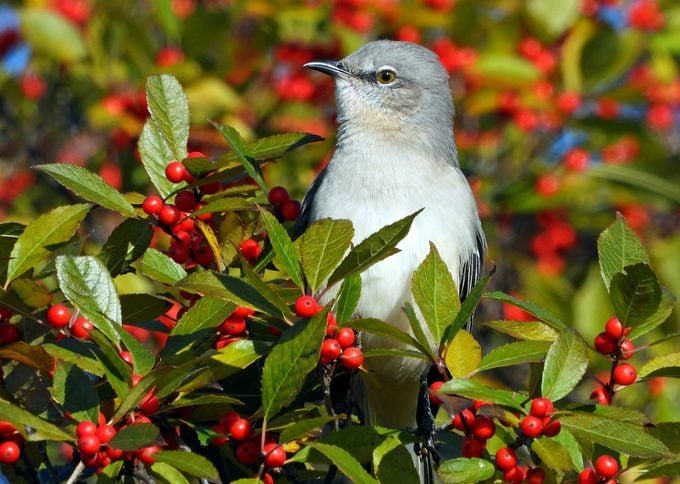
Fruits and berries are important, especially in fall and winter. Mockingbirds eat berries from plants like holly, dogwood, and elderberry. They also enjoy grapes, oranges, and raisins. These fruits give vitamins and sugars. Eating fruits helps them stay healthy during colder months.
Seeds And Occasional Foods
Seeds make up a smaller part of the diet. Mockingbirds sometimes eat sunflower or peanut seeds. They also eat suet or bark butter for extra fat. These foods give energy, especially in winter. Occasionally, mockingbirds eat small frogs or lizards for protein.
Seasonal Feeding Patterns
Mockingbirds change their diet with the seasons to survive and stay strong. Their feeding habits depend on the availability of food in their environment. Different foods provide the energy and nutrients they need throughout the year.
Summer Insect Diet
During summer, mockingbirds mainly eat insects. They catch mealworms, grasshoppers, and crickets. These insects give them protein and energy for nesting and raising chicks. The warm weather brings many insects, making it easy to find food. Mockingbirds hunt on the ground and in trees. They also eat spiders and caterpillars. Insects help keep their diet balanced and rich in nutrients.
Winter Fruit Preferences
In winter, insects become scarce. Mockingbirds switch to eating fruits and berries. They enjoy berries from holly, elderberry, and dogwood bushes. Oranges, grapes, and raisins are also favorites. Fruits provide sugar and vitamins to keep their energy up. They may eat small seeds sometimes, but fruits remain their main winter food. Eating fruits helps mockingbirds survive cold months when insects are rare.
Foods To Offer At Feeders
Mockingbirds enjoy a wide variety of foods at feeders. Offering a mix of fruits, insects, fats, and seeds helps attract them. A diverse diet keeps them healthy and active year-round. Below are some ideal foods you can provide in your backyard.
Fruits Suitable For Mockingbirds
Mockingbirds love sweet, juicy fruits. Slices of oranges, apples, and grapes work well. Raisins and cranberries are tasty treats they often enjoy. Bananas also attract these birds. Offer fresh or dried fruits on platform feeders for easy access.
Insect Options
Insects are a key part of the mockingbird diet, especially in warmer months. Live or dried mealworms are highly appealing. Crickets and grasshoppers also make great choices. Providing insects boosts their protein intake and energy levels.
Fats And Seeds
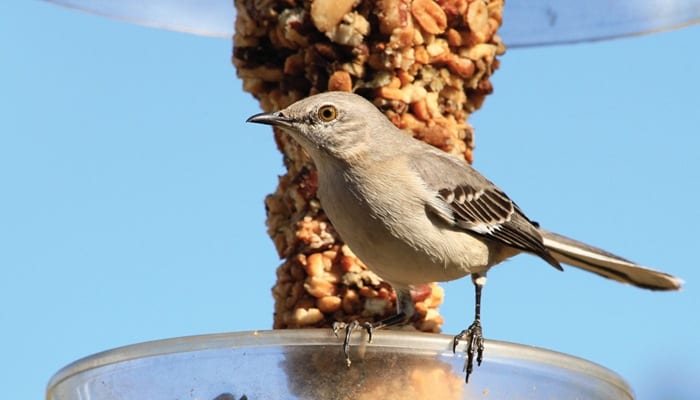
Fats help mockingbirds stay energized, especially in cold weather. Suet or bark butter bits are excellent sources. These can be placed in suet feeders or on platform feeders. Small amounts of peanut or sunflower seeds can also attract them occasionally.
Credit: www.wbu.com
Attracting Mockingbirds Naturally
Attracting mockingbirds to your yard creates lively sounds and beautiful sights. These birds prefer natural environments with plenty of food and water. Planting native berry bushes and providing clean water sources can invite mockingbirds to stay near your home.
Native Berry Bushes
Mockingbirds love eating berries from native bushes. Plants like holly, elderberry, dogwood, and blackberry produce fruits they enjoy. These bushes also offer shelter and places to build nests. Choose native species to support local wildlife and ensure berries grow well in your area. A yard with native berries becomes a natural buffet for mockingbirds year-round.
Water Sources
Fresh water attracts mockingbirds and other birds. A clean birdbath or shallow dish provides drinking and bathing spots. Change the water regularly to keep it fresh and safe. Water sources near berry bushes create an inviting environment. Mockingbirds visit often to drink and cool off, especially in warm weather.
Feeding Tips
Feeding mockingbirds requires understanding their natural diet and habits. Offering the right foods and feeders can attract these birds to your yard. Patience helps as they may take time to find and trust your feeding spots.
Varied Diet Importance
Mockingbirds eat insects and fruits throughout the year. Insects like mealworms and grasshoppers provide protein in summer. Fruits such as berries, oranges, and grapes supply energy in colder months. Adding suet or bark butter helps with fats. A mix of foods keeps them healthy and active.
Feeder Types
Mockingbirds prefer platform feeders where they can easily pick food. Suet feeders work well for energy-rich fats. Orange-slice holders attract them with fresh fruit. Avoid tube feeders, as mockingbirds do not use them. Clean feeders regularly to prevent disease.
Managing Territorial Behavior
Mockingbirds can be aggressive toward other birds at feeders. They may chase smaller birds away to protect their food source. Placing multiple feeding stations reduces conflicts. Planting native berry bushes nearby also offers natural food options. This helps keep peace in your bird community.
Credit: a-z-animals.com
Frequently Asked Questions
What Can I Feed A Mockingbird?
Feed mockingbirds insects like mealworms and grasshoppers in summer, fruits such as berries and oranges in winter, plus suet or bark butter. Offer occasional seeds and plant native berry bushes like holly or elderberry to attract them naturally. Provide water and use platform feeders.
Will Mockingbirds Eat Bird Seed?
Mockingbirds eat seeds occasionally but prefer insects, fruits, and berries. Offer small amounts of sunflower or peanut seeds.
Are Mockingbirds Friendly To Humans?
Mockingbirds can become accustomed to humans but usually stay cautious. They rarely show friendly behavior like pets.
What Does It Mean When A Mocking Bird Visits You?
A mockingbird visiting symbolizes protection, adaptability, and communication. It may also represent a message or spiritual presence nearby.
Conclusion
Mockingbirds eat a mix of insects, fruits, and occasional seeds. They enjoy mealworms, berries, and suet for energy. Offering varied foods helps keep them healthy year-round. Planting native berry bushes attracts them naturally to your yard. Providing fresh water also supports their needs.
Remember, mockingbirds can be territorial at feeders. Using separate feeding spots can reduce conflicts. Understanding their diet helps you support these beautiful birds well. Feeding mockingbirds is simple with the right foods and care.