

Have you ever spotted a bunch of turkeys wandering together and wondered what to call them? It might surprise you to learn that a group of turkeys isn’t just called a “flock” like many other birds.
Whether you’re curious about wildlife, planning a nature walk, or just love fun animal facts, knowing the correct term will make you sound like a true turkey expert. Stick with me, and you’ll discover the unique names for groups of turkeys, why those names exist, and some fascinating turkey behavior that will keep you hooked until the very end.
Ready to impress your friends with this quirky piece of knowledge? Let’s dive in!
Credit: ourwildyard.com
Group Names For Turkeys
Turkeys gather in groups, and these groups have unique names. Knowing these names helps us understand turkey behavior better. Different words describe groups depending on their age, type, or behavior. This section covers the main group names for turkeys.
Rafter
A rafter is a common name for a group of turkeys. This term likely comes from turkeys roosting in barn rafters. It applies to both wild and domesticated turkeys. Rafters usually consist of adult birds resting together.
Flock
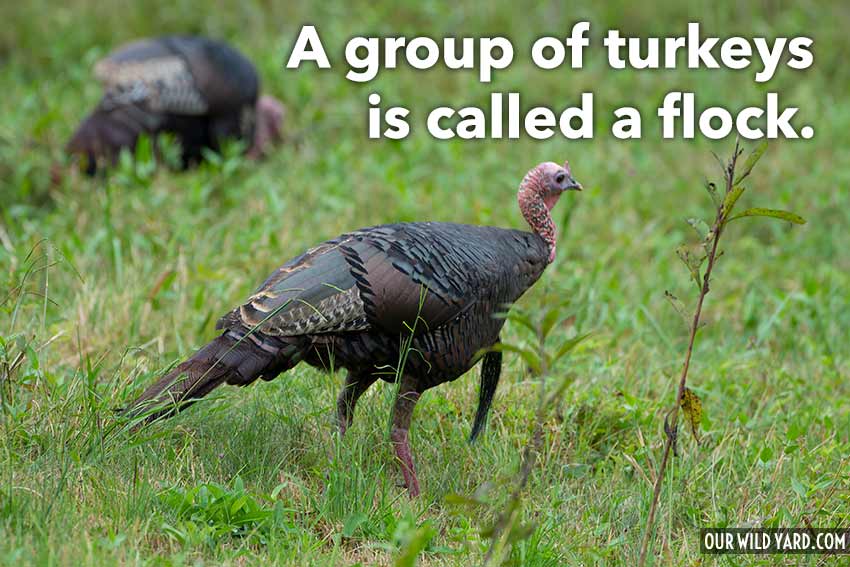
Flock is the most widely used term for a turkey group. It is especially popular for wild turkeys. A flock can include males, females, and young turkeys. This word simply means a group of birds moving or feeding together.
Gang And Posse
Gang and posse describe groups of male turkeys. These groups often consist of toms or jakes. These terms highlight the social aspect of male turkeys gathering. The words suggest a more active and noisy group.
Brood For Young Turkeys
A brood refers to a group of young turkeys. These young birds are called poults. A brood stays close to the mother hen for protection. This term is important for identifying turkey families.
Other Terms
Other names sometimes used include gaggle and gobble. Gaggle comes from their noisy nature, like geese. Gobble refers to the sound turkeys make and can describe noisy groups. These terms are less formal but still interesting.
Origins Of ‘rafter’
The term “rafter” is a unique and old-fashioned word used to describe a group of turkeys. This name has interesting origins tied to the birds’ behavior and history. Understanding where “rafter” comes from helps us appreciate how people observed turkeys and named them over time.
Historical Context
The word “rafter” dates back several centuries. It likely originated in rural farming communities. Farmers saw turkeys gathering in groups and needed a name for them. “Rafter” referred to the wooden beams in barns or houses. These rafters were common places where turkeys often rested or roosted. This connection made the word a natural choice.
Early English speakers used many such descriptive terms for animal groups. The word “rafter” captured the image of turkeys perched high above the ground. Over time, the term stuck and spread into wider use.
Connection To Roosting Habits
Turkeys roost in trees or elevated places at night. They seek safety from predators by staying off the ground. Barn rafters and roof beams mimic this natural behavior. Turkeys often gathered on these structures near farms.
People noticed these gatherings and began calling the group a “rafter.” The term highlights the birds’ habit of sleeping in high, narrow spaces. This behavior explains why “rafter” became a fitting and lasting name for a group of turkeys.
Wild Vs. Domesticated Groups
Turkeys live in groups, but wild and domesticated turkeys behave differently. Their group names also differ. Understanding these differences helps us appreciate their nature and social habits. Below, we explore how wild turkeys act and what names suit domesticated groups.
Wild Turkey Group Behavior
Wild turkeys usually form a flock. This group helps protect them from predators. Flocks can have many turkeys, often males and females together. Males may form smaller groups called gangs or posses. Young turkeys, called poults, stay in a brood with their mother. At night, wild turkeys roost in trees for safety. Their social behavior is complex but mainly focused on survival and breeding.
Domesticated Turkey Group Names
Domesticated turkeys often gather in groups called rafters. This name comes from turkeys roosting on barn rafters. Farmers may also call them a gaggle because turkeys make loud noises like geese. Unlike wild turkeys, domesticated ones are less active and stay close to food and shelter. The term rafter suits both males and females in captivity. Understanding these names helps identify turkey groups in farms and wild areas.
Credit: www.quora.com
Male Turkey Group Terms
Male turkeys have special group names that show their unique social behavior. These terms help bird watchers and nature lovers describe what they see clearly. Knowing these names adds fun to spotting turkeys in the wild or on farms.
Gang
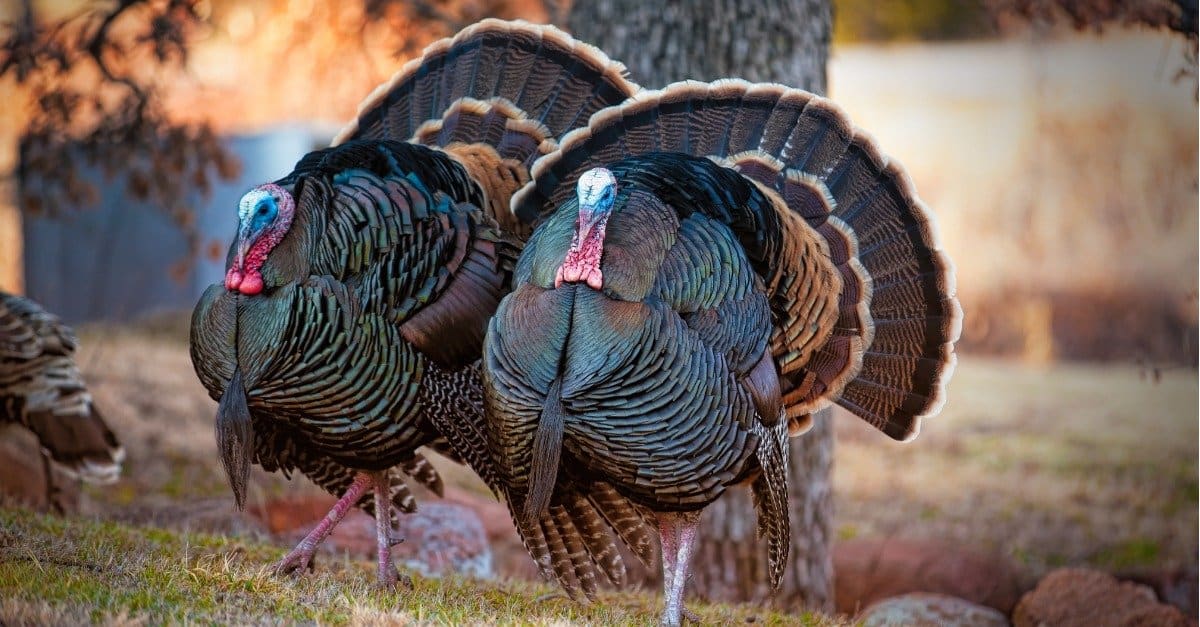
A group of male turkeys is often called a gang. This term fits their strong and social nature. Male turkeys, also called toms, gather in gangs to compete and show off. The gang works like a team during mating season. Seeing a gang of toms means you are watching some lively turkey action.
Posse
Another name for a group of male turkeys is a posse. This word suggests a close group that sticks together. A posse of toms moves through fields and forests as a unit. They use their calls and displays to protect their space. The term posse captures the idea of these birds working as a group.
Noisy Turkey Groups
Turkeys are social birds known for their loud calls and lively gatherings. Groups of turkeys often create a noisy scene, especially during mating season or when they sense danger. These noisy turkey groups have unique names that reflect their behavior and sounds. Understanding these terms helps us appreciate turkey social life better.
Gaggle
The term “gaggle” is often used for a noisy group of turkeys. It compares turkeys to geese, which also form noisy groups called gaggles. Turkeys in a gaggle chatter and cluck loudly while foraging or moving together. This noise helps them stay connected and alert each other to threats nearby.
Gobble
“Gobble” refers to the loud, distinctive sound male turkeys make. A group of turkeys making this call can be described as a “gobble.” The gobble is mostly heard during breeding season. It attracts females and warns other males to keep away. This noisy behavior gives the group its lively and energetic character.
Credit: a-z-animals.com
Turkeys In Nature
Wild turkeys live in forests and open areas. They are strong birds that can fly short distances. Turkeys search for food like seeds, insects, and berries. They have keen eyesight and hearing to stay safe from predators.
Turkeys often move and live in groups. These groups help them find food and protect each other. Learning about their group behavior gives us a better understanding of these birds.
Social Behavior
Turkeys are social animals. They gather in groups called flocks or rafters. These groups give safety in numbers. Turkeys communicate with sounds and body movements. They use calls to warn about danger or to find each other.
Male turkeys, called toms, often form smaller groups called gangs. These gangs compete for mates during mating season. Female turkeys stay with their young poults in smaller family groups. Social bonds are strong in turkey communities.
Seasonal Group Changes
Turkey groups change with the seasons. In spring, males and females separate for breeding. Males show off to attract females with displays and gobbling sounds. Females raise the young poults alone after hatching.
In fall and winter, turkeys gather in larger flocks. These bigger groups help them find food and stay warm. Group sizes shrink again in early spring as breeding season begins. Seasonal changes in turkey groups help them survive year-round.
Fun Facts About Turkey Groups
Turkey groups have interesting names that tell us about their habits. These names show how turkeys behave in nature. They also help bird watchers and farmers describe turkey gatherings clearly.
Understanding turkey group names makes watching these birds more fun. It also adds to our knowledge of wildlife language and culture.
Dozens And Large Groups
When many turkeys gather, they form a large group called a “rafter.” This term may come from turkeys resting in barn rafters. A “flock” is the most common name for wild turkeys in groups. Sometimes, large groups of male turkeys are called a “gang” or “posse.”
Young turkeys travel in smaller groups called a “brood.” These groups usually stay close to their mother for safety. When turkeys are noisy, people sometimes call the group a “gaggle” or “gobble.”
Plural Forms
The plural of “turkey” is simply “turkeys.” When talking about many birds, people say “a flock of turkeys” or “a rafter of turkeys.”
These terms help describe the size and type of the group clearly. Using the right words makes it easier to share stories and facts about turkeys.
Frequently Asked Questions
Can A Group Of Turkeys Be Called A Gaggle?
A group of turkeys is called a rafter, flock, or gang. Sometimes, people also call it a gaggle.
What Is A Herd Of Wild Turkeys Called?
A herd of wild turkeys is called a flock. It can also be known as a rafter, gang, or posse.
What Is A Dozen Turkeys Called?
A dozen turkeys are called a “rafter. ” This term applies to groups of turkeys, especially domesticated or male turkeys. Wild turkeys often form a “flock,” while young turkeys are called a “brood. “
What Is The Plural Form Of A Group Of Turkeys?
The plural form of a group of turkeys is called a “rafter. ” Wild turkeys also form a “flock. ” Male groups are known as a “gang” or “posse. ” Young turkeys gather in a “brood. ” Sometimes, noisy groups are called a “gaggle” or “gobble.
“
Conclusion
A group of turkeys has many names to remember. Most often, wild turkeys form a flock. Domesticated turkeys are called a rafter. Sometimes, groups of males are known as a gang or posse. Young turkeys travel in a brood. These terms help us understand turkey behavior better.
Next time you see turkeys, you can name their group with confidence. Learning such facts makes nature more interesting and fun.