

Have you ever wondered, “Do robins migrate?” You might expect these cheerful birds to fly south when the cold hits, but the truth isn’t so simple. Some robins do head to warmer places, while others stay nearby, changing their habits to survive winter’s chill.
If you’ve noticed robins around your yard on chilly days, you’re not imagining things. Understanding where robins go, why some migrate and others don’t, and how they adapt to winter can change the way you see these familiar birds. Keep reading to uncover the surprising facts about robin migration—and discover what you can do to help them through the colder months.
Robin Migration Patterns
Robins show different migration habits depending on where they live. Some robins travel south to find food during cold months. Others stay close to home and adapt to winter conditions. These patterns help robins survive harsh weather and food shortages.
Their movements depend mostly on temperature and food availability. Robins living in colder areas often move to warmer places. Robins in milder climates tend to stay put and adjust their diet. Understanding these patterns reveals how flexible and resourceful robins are.
Northern Robins Moving South
Robins breeding in northern regions like Canada usually migrate south. They travel to southern U.S., Mexico, or Gulf Coast areas. The frozen ground makes it hard to find worms, their main food. Moving south gives them access to berries and insects during winter.
These robins often fly in groups, covering long distances. Migration helps them avoid starvation and harsh weather. They return north in spring to breed and raise young. This cycle repeats every year, showing a natural rhythm.
Robins Staying Local
Many robins do not migrate far or at all. They live in places where food is still available in winter. These robins change their diet from worms to berries like holly and juniper. They also form large flocks for warmth and protection.
Local robins find shelter in dense trees or bushes to stay safe. Their behavior shows how they adapt without long migrations. Staying local reduces risks from travel and saves energy. This strategy works well in milder climates.
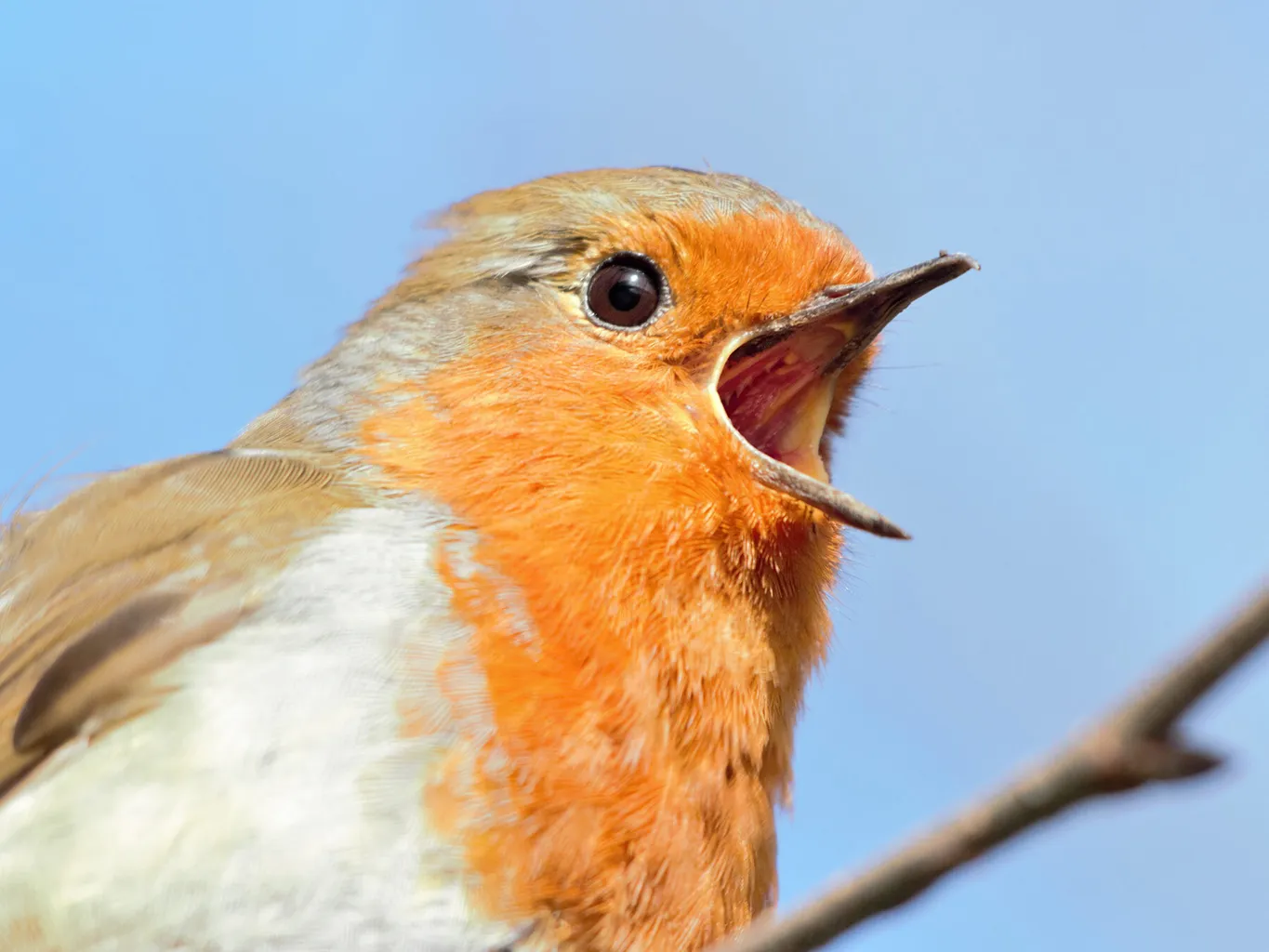
Credit: birdfact.com
Winter Survival Strategies
Robins show smart ways to survive cold winter months. They change their habits to find food and keep warm. These winter survival strategies help robins stay alive until spring.
Diet Changes In Winter
Robins eat mostly worms and insects in warm months. Winter makes these foods hard to find. They switch to eating berries, fruits, and seeds. Holly, juniper, and crabapples are favorite winter foods. This diet change helps robins get energy when insects hide underground.
Sheltering And Roosting Habits
Robins find safe places to rest during cold nights. They often roost in thick trees or bushes. These spots protect them from wind and predators. Group roosting helps keep them warm by sharing body heat. Sheltering in dense vegetation is key to their winter survival.
Benefits Of Flocking
Robins gather in large flocks during winter. Flocking helps them find food more easily. Many eyes watch for danger, lowering risk from predators. Being in a group also helps robins stay warm at night. This teamwork improves their chances of surviving harsh winters.
Where To Spot Robins Year-round
Robins can be seen throughout the year in many places. Knowing where to find them helps bird watchers and nature lovers enjoy these colorful birds. Their presence depends on the season and food availability. Some robins travel south, while others stay in their usual homes. Let’s explore where to spot robins all year long.
Common Winter Habitats
Robins often gather in wooded areas during winter. These places provide shelter from cold winds and harsh weather. Parks with trees and shrubs also attract robins. Urban areas with green spaces can be good spots too. Robins form large flocks to keep warm and safe. They often roost in dense evergreens or cedar trees. Wetlands and open fields with berries are also popular winter homes.
Food Sources That Attract Robins
Robins eat mostly fruits and berries in winter. They like holly, juniper, and dogwood berries. Gardens with fruiting plants can attract many robins. Bird feeders offering raisins, currants, or chopped apples are helpful. Robins also search for insects under leaves and bark. Providing fresh water can encourage robins to visit your yard. These food sources keep robins healthy and active through cold months.

Credit: www.allaboutbirds.org
Regional Robin Behavior Variations
Robins show different behaviors depending on their region. Their migration and winter habits vary across North America. This variation helps robins survive in diverse climates and food conditions. Understanding these regional differences reveals why some robins migrate while others stay.
Robins In Northern Climates
Robins living in colder northern areas face harsh winters. Snow and frozen ground make it hard to find worms. To survive, many of these robins migrate south. They travel to warmer places like Texas, Florida, and the Gulf Coast.
Migration helps them find food during winter. These robins leave their breeding grounds in Canada and northern U.S. states. Migration is a seasonal journey triggered by food scarcity and cold weather. It increases their chance to survive until spring.
Robins In Southern Areas
Robins in southern regions often stay in the same place year-round. Winters are milder, and food sources like berries remain available. These robins adapt by changing their diet from worms to fruits. They eat berries from holly, juniper, and other plants.
Southern robins form large flocks in winter. Flocking offers protection from predators and helps find food. They usually roost in sheltered woods or thick shrubs. Staying put reduces the risks and energy costs of long migration.
Surprising Robin Facts
Robins are more than just cheerful birds singing in spring. Their habits and survival skills are quite interesting. Many believe robins always fly south during winter. Yet, many stay nearby, surprising bird watchers. These birds show great resilience and clever adaptations to survive cold months.
Robins change their diet and behavior to face winter challenges. Their presence in cold weather reveals unique traits. Discover some surprising facts about robins and how they live through winter.
Unexpected Winter Presence
Not all robins migrate south for winter. Many robins stay in colder areas. They gather in large flocks for safety. These flocks roam in search of food. Robins eat berries and fruits when worms hide underground. Their bright orange breasts stand out even in snow.
Robins often rest in dense trees at night. These spots protect them from wind and predators. Seeing robins on a snowy day is not rare. Their presence surprises many who expect them to leave with the first frost.
Adaptations For Cold Weather
Robins adapt well to cold weather. They fluff their feathers to trap warm air. This keeps their bodies insulated. Their metabolism also changes to produce more heat. Robins reduce activity to save energy during freezing days.
They switch food sources, eating mostly berries and fruits. These foods provide energy and water during winter. Robins also find shelter in thick bushes and evergreens. These adaptations help robins survive harsh winter months.
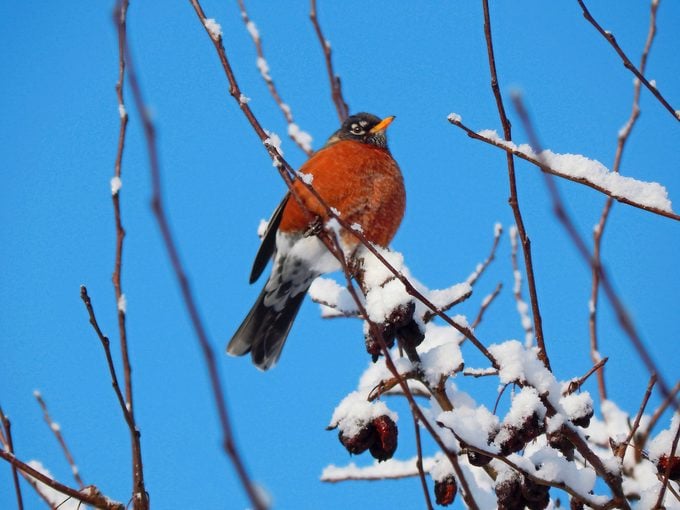
Credit: www.birdsandblooms.com
Frequently Asked Questions
Where Do The Robins Go In The Winter?
Robins in winter either migrate south to find food or stay local, eating berries instead of worms. They form large flocks and roost in sheltered woods for protection. You can spot robins year-round across North America, especially near berry-rich woodlands.
What Does It Mean When You See A Robin In The Winter?
Seeing a robin in winter means it stayed local, shifting its diet from worms to berries. Robins form large flocks and roost in sheltered areas to survive cold months. Some robins migrate south, but many adapt and remain year-round where food is available.
Why Don’t We See Robins In Summer?
Robins migrate from colder northern areas in summer to find food. Many stay put, shifting diet from worms to berries. They form large flocks and roost in sheltered woods, making them less visible in summer.
Do Robins Come Back To The Same Yard Every Year?
Robins often return to the same yard yearly if food, shelter, and nesting spots remain available. They show strong site loyalty.
Conclusion
Robins show flexible habits depending on the season. Some move south to find food, while others stay nearby. Those who remain change their diet to berries and fruits. They gather in large groups to stay safe and warm. Robins adapt well to winter’s challenges.
Spotting them year-round is common in many places. Their migration depends mostly on food availability and weather. Watching robins can reveal nature’s clever survival ways. Keep an eye out for these birds, no matter the season.