

If you love watching birds at your feeder but find blue jays taking over, you’re not alone. These bold, noisy birds can be a bit overwhelming, often scaring away smaller visitors you want to enjoy.
But what if you could keep blue jays at a distance without hurting them? Imagine having your feeders filled with a variety of birds, peacefully sharing the space. In this guide, you’ll discover simple, effective ways to gently discourage blue jays from dominating your feeders—so you can protect your feathered friends and keep your birdwatching experience enjoyable.
Ready to learn how? Let’s dive in.
Feeder Types To Deter Blue Jays
Choosing the right feeder type helps keep Blue Jays away without harm. Certain feeders limit access to larger birds while welcoming smaller ones. This way, you protect your feeder’s food and enjoy diverse bird visitors. Below are effective feeder options to consider.
Weight-activated Feeders
Weight-activated feeders close their ports when heavy birds land. Blue Jays are heavier than many songbirds. When a Jay tries to feed, the ports shut, blocking access. Smaller birds can still feed easily. These feeders offer a simple, humane way to limit Jays.
Cage Feeders
Cage feeders have a metal cage surrounding the feeding ports. The cage size allows small birds to enter but blocks large birds like Blue Jays. This design keeps Jays out while letting finches and chickadees feed. Cage feeders come in many styles and suit various seed types.
Caged Peanut Feeders
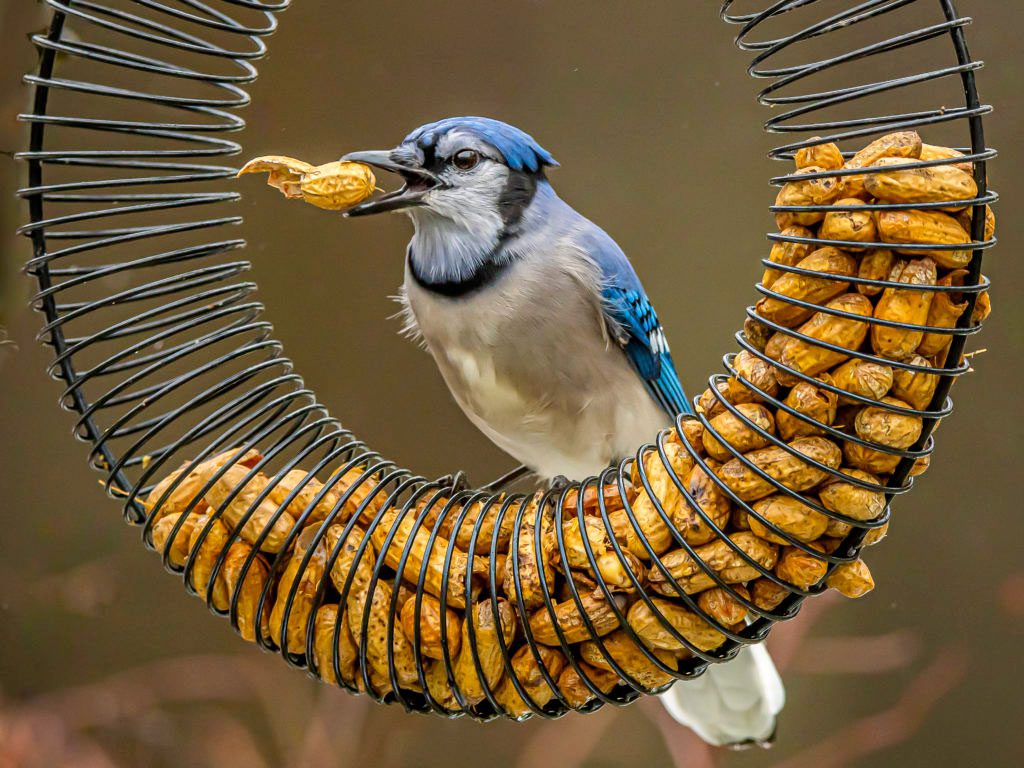
Caged peanut feeders give Blue Jays their own feeding spot. The cage holds peanuts securely but stops Jays from raiding other feeders. Offering peanuts here can satisfy Jays without letting them dominate your main feeders. This method helps keep peace among your backyard birds.
Seed Choices To Discourage Jays
Choosing the right seeds can help keep Blue Jays away from your bird feeders without causing harm. Jays prefer certain seeds, so offering less favored options deters them naturally. Small songbirds will still visit and enjoy your feeder.
Using seeds that Blue Jays avoid is a simple and effective strategy. It reduces competition and keeps your feeder peaceful. Here are some seed choices that discourage Blue Jays.
Safflower Seeds
Safflower seeds taste bitter to Blue Jays. They often avoid these seeds altogether. Smaller birds like cardinals and chickadees love safflower. It is a great alternative to sunflower seeds. Using safflower seeds helps attract smaller birds while keeping Jays away.
Nyjer Seeds
Nyjer seeds are tiny and hard for Blue Jays to handle. Finches and other small birds enjoy nyjer seeds. Feeding nyjer limits access for larger, aggressive birds. It encourages a peaceful feeding environment. Nyjer is a perfect choice for tube feeders designed for finches.
Avoiding Black Oil Sunflower
Black oil sunflower seeds are a favorite food for Blue Jays. Offering these seeds attracts Jays and encourages them to dominate feeders. Avoid using black oil sunflower in your main feeder. Instead, place it in a separate feeder away from smaller bird stations. This keeps Jays satisfied without disturbing other birds.
Feeder Placement And Timing
Proper feeder placement and timing play key roles in keeping Blue Jays away from your bird feeders. Blue Jays are smart and strong birds. They often claim feeders early in the day and scare off smaller birds. Adjusting where and when you put out food can help balance the bird activity. Simple changes can protect your feeders while keeping Blue Jays safe.
Keeping Feeders Away From Perches
Place feeders at least 10 feet from trees or tall shrubs. Blue Jays use these spots to watch and jump to feeders quickly. Removing easy access points makes feeders less attractive to them. Use poles or hanging feeders in open spaces. Avoid placing feeders near fences or decks where Blue Jays can rest.
Removing Feeders At Night
Take down feeders every evening. Blue Jays often guard feeders early in the morning. Removing food at night stops them from settling near feeders overnight. This reduces their chance to control feeding spots. Bring feeders inside or store them in a closed area. This practice also keeps seeds fresh and prevents other wildlife problems.
Controlling Feeding Hours
Offer food only during specific hours. Open feeders mid-morning and close by late afternoon. Blue Jays feed actively at dawn and dusk. Limiting feeding times reduces their dominance. Set a routine that favors smaller birds. Use automatic feeder timers or check feeders regularly. This approach helps all birds enjoy your feeder safely.

Credit: www.allaboutbirds.org
Creating A Dedicated Jay Feeding Area
Creating a dedicated feeding area for blue jays helps keep them away from your main bird feeders. This method gives blue jays a special spot to eat. They get what they like without bothering smaller birds. It also helps keep peace in your backyard. Setting up a separate area is easy and kind to the birds.
Separate Feeders With Preferred Seeds
Place a feeder only for blue jays away from other feeders. Use seeds they love, like sunflower seeds and peanuts. Avoid using sunflower seeds in your main feeder. Jays prefer these seeds, so they will stay at their feeder. This prevents them from taking food meant for smaller birds. Use a feeder that is sturdy and easy for jays to perch on.
Providing Water Sources
Blue jays need water just like other birds. Put a bird bath or water dish near their feeding area. Clean the water often to keep it fresh. This draws blue jays to the dedicated spot. They will spend more time there and less near other feeders. A water source also helps them stay healthy and hydrated.
Natural Deterrents For Blue Jays
Natural deterrents offer a gentle way to keep blue jays away from your bird feeders. These methods do not harm the birds but encourage them to visit other areas. Using natural items and understanding blue jays’ behavior helps create a peaceful feeding environment for all birds.
Simple natural solutions can reduce blue jay visits. They blend well with your garden and do not cause stress or injury to any bird. Try these ideas to keep feeders accessible to smaller birds without conflict.
Using Coffee Grounds Around Feeders
Sprinkle used coffee grounds around your bird feeders. The strong smell is unpleasant for blue jays. It discourages them from approaching the feeding area. Coffee grounds also repel insects that may bother other birds.
Make sure the grounds stay dry. Wet coffee grounds can mold and harm plants. Refresh the grounds regularly for best results. This method is safe for the environment and all wildlife.
Leveraging Blue Jays’ Fears
Blue jays are cautious and easily startled by certain objects. Place shiny, moving items near feeders. Reflective tape or old CDs work well. The sudden movement and light flashes frighten the jays.
Another option is to use predator decoys. Fake owls or hawks scare blue jays. Move these decoys regularly to keep the jays uncertain. This natural fear helps keep them away without harm.

Credit: www.youtube.com
Behavioral Tips To Manage Jays
Managing Blue Jays at your bird feeders requires understanding their behavior. These birds are smart and can quickly learn patterns. Changing your actions around feeders can discourage them without causing harm. Behavioral strategies create a peaceful feeding environment for all birds.
Avoiding Sudden Movements Near Feeders
Blue Jays are alert and easily startled by quick actions. Move slowly and calmly near your feeders. Sudden movements make them nervous and may cause them to stay away. Stay quiet and avoid loud noises around feeding areas. This helps reduce their interest in the feeder.
Using Visual Scare Devices
Visual scare devices can gently discourage Blue Jays. Hang shiny objects like aluminum foil strips or old CDs near feeders. These objects reflect light and create movement that Blue Jays dislike. Use scare-eye balloons or plastic owls as additional deterrents. Change the position of these devices often to keep Jays unsure and cautious.
Credit: www.allaboutbirds.org
Frequently Asked Questions
How To Keep Bluejays Away From Bird Feeders?
Use weight-activated or caged feeders to block blue jays. Offer safflower or nyjer seeds, not sunflower. Place feeders away from trees. Provide a separate feeder with peanuts to redirect jays. Remove feeders at night to limit their access.
Why Should I Sprinkle Coffee Grounds Around My Bird Feeder?
Sprinkling coffee grounds around bird feeders repels squirrels and pests. The strong, acidic smell overwhelms them, keeping feeders safe.
What Are Blue Jays Afraid Of?
Blue Jays fear predators like hawks, owls, and cats. Loud noises, sudden movements, and unfamiliar objects also scare them. They avoid areas with strong smells such as vinegar or coffee grounds. Using decoys or specific feeder designs can help keep Blue Jays away from feeders.
What Is The 5 7 9 Rule For Bird Feeders?
The 5-7-9 rule guides bird feeder placement: 5 feet from windows, 7 feet apart between feeders, and 9 feet from shrubs or trees. This spacing prevents bird collisions and reduces predator access, keeping birds safe and feeders efficient.
Conclusion
Controlling blue jays at your feeders takes patience and simple steps. Use feeders designed to limit access for larger birds. Choose seeds that smaller birds prefer over sunflower seeds. Place feeders away from trees or perches. Offer a separate feeding spot with peanuts for blue jays.
Remove feeders at night to reduce jay dominance. These gentle methods keep all birds safe and happy. Enjoy watching a variety of birds visit your yard peacefully.