

Have you ever watched a group of birds soaring across the sky or gathered on a tree and wondered what to call them? You might think “flock” is the only word, but bird groups have some fascinating and unique names that bring their behavior and charm to life.
Whether it’s a “murder” of crows, a “parliament” of owls, or a “flamboyance” of flamingos, these special terms make birdwatching even more exciting. Stick with me, and you’ll discover the surprising and delightful names for different groups of birds—names that might just change how you see the birds around you forever.
Ready to learn what your feathered friends are called when they come together? Let’s dive in!

Credit: www.youtube.com
Common Group Names
Birds often gather in groups, and many have special names for these gatherings. These unique group names reflect the bird’s behavior, appearance, or history. They make learning about birds more fun and memorable.
Here are some common and interesting names used for groups of birds. Each name tells a small story about the species.
Murder Of Crows
A group of crows is called a “murder.” This name comes from old folklore and stories. Crows are smart and often seen together, making this group name quite famous.
Parliament Of Owls
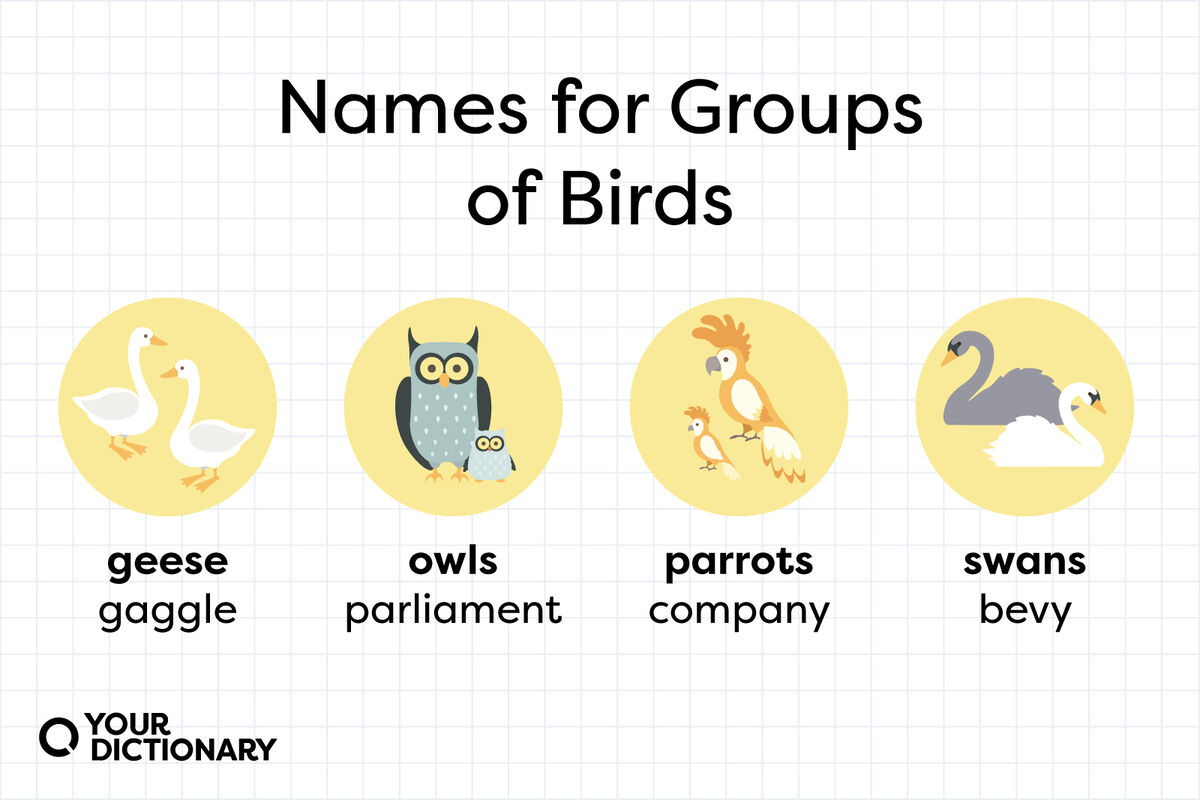
Owls gather in groups called a “parliament.” This name suits their wise and calm nature. It reminds people of a serious meeting or council.
Gaggle And Skein Of Geese
Geese on land form a “gaggle.” When flying, they create a “skein.” These names highlight the difference between their movements on land and in the sky.
Murmuration Of Starlings
Starlings fly in large, moving groups called a “murmuration.” Their smooth, flowing patterns in the sky look like waves or clouds, making this name perfect.
Flamboyance Of Flamingos
A group of flamingos is known as a “flamboyance.” These bright pink birds stand out with their colorful feathers and elegant poses, matching the lively name.
Muster And Ostentation Of Peacocks
Peacocks gather in a “muster” or “ostentation.” These names reflect their proud and showy feathers. The birds display their beauty to impress others.
Charm Of Finches
Finches form a “charm.” This gentle name matches their small size and sweet songs. They often gather in groups that seem friendly and calm.
Raft Of Ducks
Ducks floating together on water create a “raft.” This simple name fits their behavior of resting and swimming close to each other.
Kettle Of Hawks
Hawks flying together in circles are called a “kettle.” This term describes the shape they make as they soar high in the sky, searching for prey.

Credit: www.youtube.com
General Collective Terms
Birds often gather in groups. These groups have special names. These names describe how birds behave or live together. General collective terms apply to many types of birds. They help us talk about birds simply and clearly. Understanding these terms makes birdwatching more fun and interesting.
Flock For Flight And Foraging
A flock is the most common group name for birds. It describes birds flying or searching for food together. Many birds form flocks to stay safe and find food easily. Watching a flock in flight shows their coordination and grace. Flocks can be small or very large, depending on the species.
Colony For Nesting Groups
A colony is a group of birds nesting close together. Birds like penguins and seabirds build colonies. These groups protect eggs and young birds better. Living in colonies helps birds share warmth and guard against predators. Colonies can be noisy places full of activity.
Bevy For Quails And Larks
Bevy is the word for groups of quails or larks. These birds often stay on the ground in small groups. A bevy moves together while feeding or resting. This group name is less common but very specific. It captures the quiet, close-knit nature of these birds.
Flight For Doves And Swallows
Flight refers to a group of doves or swallows in the air. These birds often fly together in tight formations. The term highlights their movement and grace in the sky. A flight of swallows is a beautiful sight during their migration. This name focuses on the birds’ flying behavior.
Unique Names For Bird Groups
Bird groups often have special names that reflect their nature or behavior. These unique terms make learning about birds more fun and interesting. Each bird species can have its own group name. These names sometimes come from old stories or the way the birds move together.
Below are some unusual and charming names for groups of different birds.
Unkindness And Congress Of Ravens
Ravens gather in groups called an “unkindness” or a “congress.” The word “unkindness” sounds mysterious and suits their dark, clever nature. “Congress” shows their smart and social habits.
Squadron And Pod Of Pelicans
Pelicans often fly in a “squadron,” like small planes in formation. When swimming, they form a “pod.” These names show how organized pelicans look in the air and water.
Waddle And Rookery Of Penguins
Penguins on land are called a “waddle,” named for their funny walk. A “rookery” is a large group where they nest together. These words capture both their movement and home life.
Bouquet Of Pheasants
A group of pheasants is called a “bouquet.” This name fits because pheasants have bright, colorful feathers. Seeing many together looks like a bunch of flowers.
Building Of Rooks
Rooks, a type of crow, gather in a “building.” This name comes from their nests, called rookeries, which look like small houses built close together.
Tiding Of Magpies
Magpies form a group called a “tiding.” This term reflects their noisy and chatty nature. They often bring small shiny objects to their group, adding to the idea of news or tidings.
Tournament Of Chipping Sparrows
A group of chipping sparrows is known as a “tournament.” This name suggests their lively and active behavior, as if they are playing or competing together.
Blue Jays Group Names
Blue jays are known for their bright colors and lively behavior. They often gather in groups, and these groups have special names. Each name describes how blue jays act or why they come together. Understanding these names helps us learn more about these smart birds.
Party For Boisterous Gatherings
A group of blue jays is called a “party” when they gather noisily. They make loud sounds and seem full of energy. This name fits their playful and lively nature perfectly. Blue jays enjoy socializing in these energetic parties.
Band For Migration And Feeding
When blue jays travel or search for food, they form a “band.” This group moves together to stay safe and find meals. Bands help blue jays share information about food sources and protect each other during migration.
Scold For Loud Calls
Blue jays are very vocal birds. When they make loud, sharp calls, the group is called a “scold.” These calls warn others of danger or show annoyance. The scold name matches their noisy and protective behavior.
Ruckus For Noisy Behavior
Sometimes blue jays create a “ruckus” with their loud chatter and squawks. This group name shows their noisy and sometimes chaotic nature. A ruckus can happen when they feel threatened or excited, making a lot of noise together.
Origins Of Collective Nouns
Collective nouns for birds have rich and fascinating origins. These unique terms often reflect the history and culture of the English language. People created these names to describe groups of birds in vivid and memorable ways. The origins lie in observation, storytelling, and creativity. This section explores three main sources of these intriguing names.
Behavior-based Names
Many collective nouns come from bird behavior. People noticed how birds acted in groups and named them accordingly. For example, a “murmuration” describes starlings swirling in the sky. A “gaggle” fits geese resting together on land. These names capture movement, sounds, or habits. They help us picture the birds’ actions clearly.
Mythology And Folklore Influences
Some bird group names come from myths and old stories. A “murder of crows” links to dark legends about these birds. Owls form a “parliament,” reflecting their wise image in folklore. These names add mystery and magic to bird groups. They show how culture shapes language over time.
Descriptive Imagery
Other names use vivid images to describe bird groups. A “flamboyance” of flamingos paints a bright, colorful picture. A “pride” of peacocks highlights their majestic display. These terms make bird groups sound lively and special. They help readers imagine the scene with simple words.
Fun Facts About Bird Groups
Bird groups have names that sound fun and sometimes magical. These names come from old stories, bird behavior, and local traditions. Learning about these terms makes watching birds even more interesting. Birds gather in groups for safety, food, or to raise their young. Each group has a special name that often tells a story about the birds.
Magical Sounding Terms
Some bird group names sound like magic spells or fairy tales. A group of crows is called a “murder.” Owls gather in a “parliament.” Starlings create a “murmuration” when they fly together in large, shifting shapes. Flamingos form a “flamboyance,” which fits their bright colors and showy style. These names add charm and mystery to birdwatching.
Regional Variations
Bird group names can change from place to place. In some areas, a group of geese on the ground is a “gaggle,” but in flight, it becomes a “skein.” Some regions use local words for groups, reflecting their culture and language. These variations show how people connect with birds in different ways around the world.
Use In Literature And Culture
Bird group names often appear in stories, poems, and songs. Writers use terms like “murder of crows” to create mood and meaning. These names help people imagine the birds’ nature and behavior. In culture, bird groups symbolize ideas like wisdom, mystery, or community. This makes bird names powerful tools in art and tradition.
Credit: www.yourdictionary.com
Frequently Asked Questions
What Is A Group Of Birds Called?
A group of birds is called a flock. Some species have unique names, like a murder of crows or a parliament of owls. These terms often reflect their behavior or appearance.
What Is A Group Of Bluejays Called?
A group of bluejays is called a party, band, or scold. These names reflect their social and noisy behavior.
What Is A Group Of Robins Called?
A group of robins is called a “round” or a “worm. ” These terms reflect their social behavior.
What Is A Swarm Of Birds Called?
A swarm of birds is commonly called a flock. Specific groups have unique names like a murder of crows or a murmuration of starlings. These terms reflect bird behavior or folklore, making bird groups fascinating and distinct.
Conclusion
Bird groups have unique and fascinating names. Most birds fly or feed in a flock. Some species have special terms, like a murder of crows or a parliament of owls. These names often reflect their behavior or stories from old times.
Knowing these terms makes watching birds more fun. Next time you see birds together, try using these interesting words. It brings nature closer and adds a new layer to your experience. Bird group names show how language and wildlife connect beautifully.
Keep exploring and enjoy the world of birds!