

Have you ever wondered what a group of ravens is called? These striking black birds have long captured human imagination with their mysterious presence and clever behavior.
But when you see several ravens together, what name do you give to their gathering? It’s not as simple as calling them a “flock. ” In fact, ravens have some of the most intriguing and unusual collective nouns, like “unkindness” or “conspiracy.
” Discovering these names will not only surprise you but also connect you to centuries of folklore and fascinating bird behavior. Keep reading to find out the captivating terms for a group of ravens and why they hold such special meaning. Your curiosity about these intelligent birds is about to be rewarded!
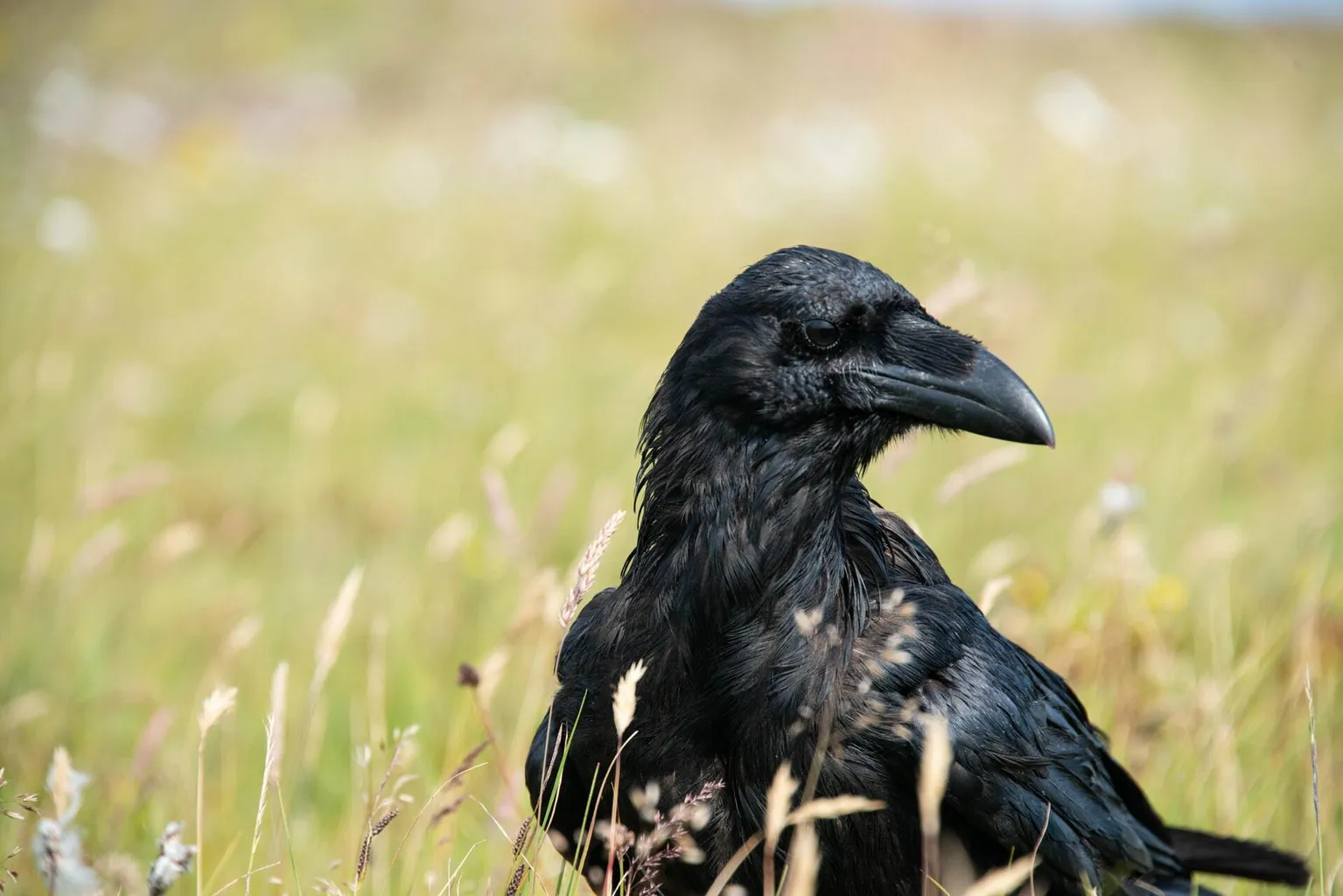
Credit: birdfact.com
Raven Group Names
A group of ravens has unique and intriguing names. These names reveal how people view these birds. Ravens are often linked to mystery and intelligence. Their group names reflect this rich symbolism.
Some names sound dark, while others are simple and common. Each name tells a story about how humans see ravens in nature and culture.
Unkindness And Conspiracy
An “unkindness” of ravens is one well-known term. It suggests a sense of mystery and superstition. Another name is a “conspiracy” of ravens. This highlights their clever and secretive nature. These names give ravens a shadowy and smart image.
Treachery And Rave
A “treachery” of ravens is a rarer term. It reflects old beliefs that link ravens to danger or bad luck. On the other hand, a “rave” of ravens sounds lively and fun. This term shows the energetic side of these birds when they gather.
Common Term: Flock
The simplest and most common term is “flock.” It applies to many birds, including ravens. This word is easy to understand and use in daily life. While not as poetic, “flock” clearly describes a group of ravens flying or resting together.
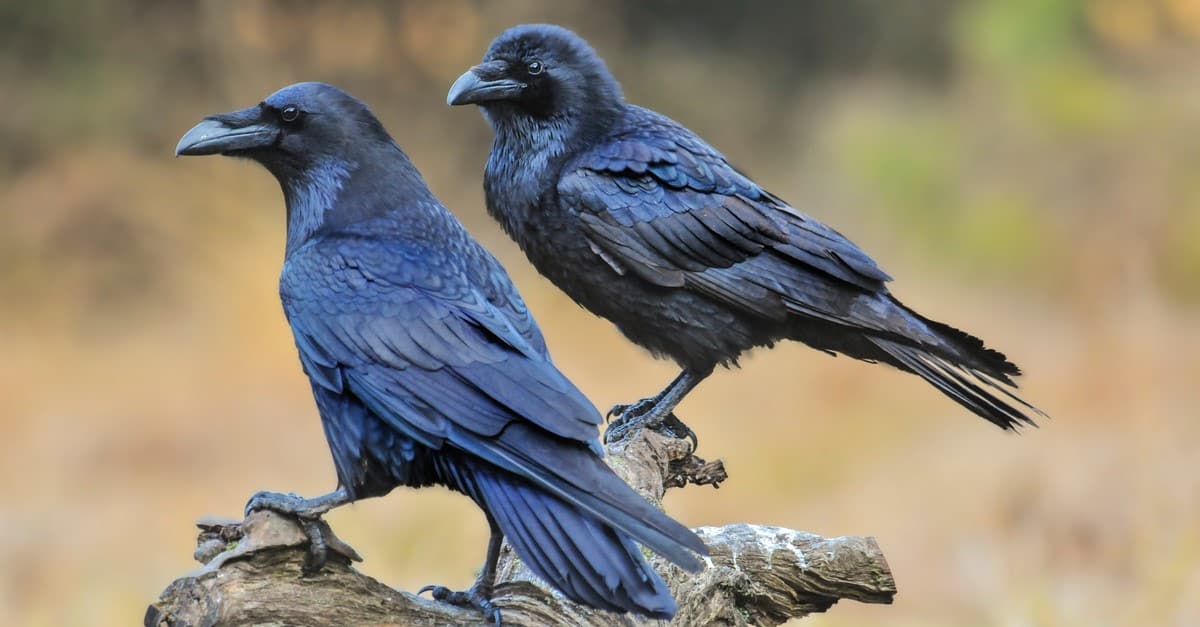
Credit: a-z-animals.com
Origins Of Collective Names
Collective names for groups of animals have deep roots in history and culture. These names often reveal how people viewed these animals long ago. The names for groups of ravens are no exception. They carry meanings tied to mystery, intelligence, and sometimes fear.
Understanding the origins of these collective names sheds light on human relationships with nature. It also shows how language reflects cultural beliefs and stories. Ravens have inspired many legends and symbols, influencing the words used to describe their groups.
Folklore And Symbolism
Ravens appear in many old stories and myths. They often symbolize wisdom and prophecy. In some tales, ravens are messengers between worlds. This gave rise to names like “unkindness,” hinting at their dark and mysterious nature. People believed ravens held secret knowledge. This belief shaped the words used for their gatherings.
Historical Associations
In medieval times, specific names for animal groups became popular. These names reflected social views and superstitions. A group of ravens was called a “conspiracy” or “treachery.” These terms suggested danger or trickery. Such names linked ravens with omens and bad luck. They show how humans once feared and respected these birds.
Cultural Interpretations
Different cultures view ravens in unique ways. Some see ravens as protectors or guides. Others associate them with death or the supernatural. These views influence collective names. For example, “rave” is a lesser-known term for a group of ravens. It hints at the birds’ lively and noisy behavior. Collective names reflect cultural stories and how people connect with nature.
Raven Species And Behavior
Ravens belong to a fascinating group of birds with unique behaviors and traits. Studying different raven species helps us understand their habits and social life. These birds show intelligence and complex interactions. Observing their species differences reveals how they adapt to various environments.
Common Raven Characteristics
The common raven is large with all-black feathers. It has a thick neck and a strong, curved beak. Its wings are broad with long primary feathers. This raven is found across the Northern Hemisphere. It is known for its deep, croaking call. The common raven is highly intelligent and curious.
Australian Raven Traits
The Australian raven has a similar black color but with distinct throat feathers. It often shows a white patch around the neck. This raven lives mainly in Australia’s open woodlands and cities. Its call is a loud, sharp “cah-cah” sound. Australian ravens are clever and adapt well to human environments.
Social Behavior In Groups
Ravens are social birds and often gather in groups. A group of ravens is called an unkindness or a conspiracy. These gatherings help them share information and watch for danger. They play, communicate, and work together to find food. Ravens show strong bonds and cooperation in their groups.
Comparing Ravens To Other Birds
Ravens share many features with other birds in the crow family. They are intelligent and social. Their group names often reflect their mysterious nature. Comparing ravens to other birds helps us understand these unique names better. Below, we explore the group names of crows and magpies. We also highlight differences in terminology.
Group Names Of Crows
Crows gather in groups called a “murder.” This term is famous and widely known. The name likely comes from old folklore and superstition. A murder of crows suggests a dark, eerie image. Crows often appear in stories linked to mystery and death. Besides “murder,” smaller groups can be called a “horde” or a “parcel.”
Magpie Collective Nouns
Magpies have unique group names too. A group of magpies is called a “tiding” or a “charm.” These names feel more positive than those for crows or ravens. “Charm” may come from the bird’s striking appearance and lively behavior. Magpies are known for their intelligence and curiosity. These names reflect their playful and social nature.
Differences In Terminology
Ravens, crows, and magpies belong to the same family but have different group names. Ravens’ groups are called an “unkindness” or a “conspiracy.” Crows gather in a “murder,” while magpies form a “tiding.” These names show how people viewed each bird type over time. Ravens often carry a darker, mysterious image. Magpies seem more cheerful and lucky. The terms reveal cultural ideas and stories about each bird.
Why Ravens Inspire Mystery
Ravens have fascinated humans for centuries. Their dark feathers and deep calls create an aura of mystery. People often see them as creatures connected to the unknown. This feeling grows from the way ravens behave and the stories told about them.
Ravens are more than just birds. Their intelligence and cultural presence make them symbols of mystery and wisdom.
Intelligence And Problem Solving
Ravens are among the smartest birds on earth. They use tools to get food and solve complex puzzles. These birds can remember faces and plan for the future. Their cleverness surprises scientists and bird watchers alike. This intelligence adds to their mysterious reputation.
Ravens In Myth And Legend
Many cultures link ravens to myths and legends. In Norse mythology, ravens are Odin’s messengers. Native American stories often show ravens as creators or tricksters. These tales give ravens a magical and mystical role in human history. Their presence in old stories keeps their mystery alive.
Symbolism In Literature And Art
Ravens appear frequently in literature and art. Writers use ravens to symbolize death, wisdom, or change. Edgar Allan Poe’s famous poem “The Raven” shows the bird as a dark, haunting figure. Artists often paint ravens to add a sense of mystery and depth. This symbolism deepens our fascination with ravens.
Credit: www.reddit.com
Frequently Asked Questions
What Do You Call A Gathering Of Ravens?
A gathering of ravens is called an unkindness or a conspiracy. Other terms include treachery, rave, or simply a flock.
Why Is A Flock Of Ravens Called A Kindness?
A flock of ravens is called a kindness due to their intelligent, social nature and symbolic link to wisdom and prophecy.
What Is A Group Of Magpies Called?
A group of magpies is called a mischief, tiding, or charm. Other names include conventicle, gulp, and tittering. These terms highlight their clever, social, and noisy nature. “Mischief” is the most popular collective noun for magpies.
Why Is A Group Of Ravens Called Murders?
A group of ravens is not called a “murder. ” Instead, terms like “unkindness” or “conspiracy” reflect their mysterious nature. These names stem from folklore linking ravens to wisdom, prophecy, and ominous signs. The term “murder” actually applies to crows, not ravens.
Conclusion
A group of ravens has many interesting names. The words “unkindness” and “conspiracy” show their mysterious nature. People once thought ravens brought bad luck or secret plans. Today, “flock” is the simple term most use. Knowing these names helps us appreciate ravens more.
They are smart birds with a rich history. Next time you see them together, remember their unique group names. It adds a little wonder to watching these dark, clever birds.