

Have you ever stopped to wonder what baby pigeons actually look like? If you’ve only seen those familiar city birds strutting around, their fluffy, delicate young might surprise you.
Baby pigeons don’t look like the charming adults you’re used to—they start off almost bald, with patchy fuzz and big, curious eyes. You might even find it hard to recognize them as pigeons at first glance. If you want to discover the true appearance of these hidden urban babies and understand why you rarely get the chance to see them, keep reading.
This simple guide will change the way you see pigeons forever.
Appearance Of Baby Pigeons
Baby pigeons have a unique appearance that many find surprising. Their look differs greatly from adult pigeons. Understanding their early features helps identify them in nests or urban settings. Their skin, beak, and size show clear signs of growth and change.
Skin And Feather Development
Newborn pigeons have soft, almost bare skin. It often appears pink or dark with some yellow fuzz. This fuzz slowly turns into feathers over several weeks. At first, the fuzz covers only parts of their body. Feathers grow unevenly and fill in gaps gradually. Their skin looks fragile and delicate in the early days.
Beak And Nose Features
The baby pigeon’s beak is long and flat. It usually has a pinkish color. The nose area shows fleshy wattles, which are soft and noticeable. These wattles give the beak a unique look compared to adult birds. The nostrils are easy to spot on the fleshy parts. This feature helps distinguish baby pigeons from other birds.
Size And Proportions
Baby pigeons are small but have large feet for their body. Their head looks slightly bigger in proportion to their torso. The neck appears thick and strong even at this young age. They grow quickly and start looking like adults after a few weeks. Early size differences make baby pigeons easy to recognize in a nest.
Credit: www.reddit.com
Growth Stages Of Baby Pigeons
Baby pigeons grow quickly through distinct stages. Each stage shows unique changes in their size, feathers, and behavior. Understanding these stages helps identify baby pigeons easily. Let’s explore the growth stages of baby pigeons from hatchlings to adults.
First Few Weeks
Newborn baby pigeons are almost bald. Their skin is dark or pink with soft yellow fuzz. Their beaks are long, flat, and pink with fleshy nose wattles. They have no feathers under their wings. Their feet are large and grey compared to their bodies. During these weeks, they depend fully on their parents for food and warmth.
Fledgling Characteristics
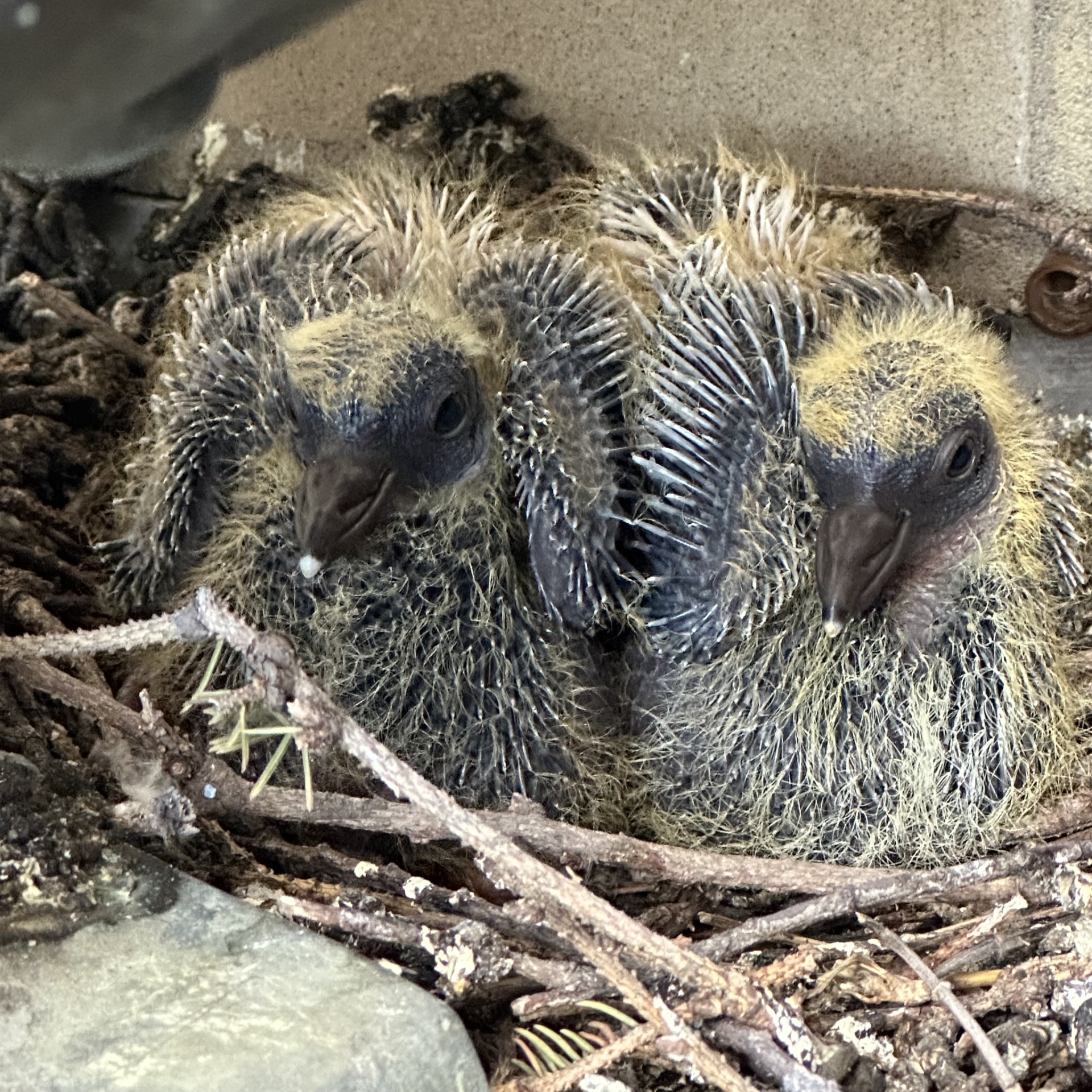
At about three weeks old, baby pigeons start growing feathers. They still have some soft yellow down on their body. Their wings and tail grow stronger. They begin to explore outside the nest but are not good at flying yet. Their eyes open wide, and they start to learn how to feed themselves.
Transition To Adult Look
By four to six weeks, baby pigeons look almost like adults. Their feathers cover their entire body. The yellow down disappears. Their beaks and feet change to adult colors, often darker and less pink. They become confident flyers and begin to live independently. This stage marks the end of their baby appearance.
Reasons Baby Pigeons Are Rarely Seen
Baby pigeons are rarely seen by most people. Their young stay hidden for weeks. This makes spotting them difficult. Several reasons explain why baby pigeons stay out of sight. These include their long development time, safe nest spots, and unique breeding habits.
Long Nesting Period
Baby pigeons stay in the nest for about four weeks. This is longer than many birds. During this time, they grow feathers and learn to fly. They only leave the nest when nearly adult-sized. By then, they look like small adult pigeons. This long stay keeps them hidden from view.
Nest Location And Protection
Pigeons build nests in hard-to-reach places. They choose ledges, buildings, or quiet corners. These spots keep their babies safe from predators and humans. Nests are often high up or tucked away. This natural protection makes it hard to see baby pigeons.
Breeding Patterns
Pigeons breed several times a year. They often raise two chicks at once. Parents work together to protect their young. They feed and guard the babies carefully. This teamwork helps baby pigeons grow safely. It also reduces the chance of babies being seen outside the nest.
Credit: www.westsiderag.com
Differences Between Baby Pigeons And Doves
Baby pigeons and doves often confuse many people. Both are part of the same bird family. Yet, their young look different in several ways. Knowing these differences helps you tell them apart easily. Below are key features that set baby pigeons and doves apart.
Head And Beak Shape
Baby pigeons have rounder, chunkier heads. Their beaks appear strong and thick. The beak often shows fleshy parts near the base. Baby doves have smaller, more delicate heads. Their beaks are thin and pointed. The transition from feathers to beak is smooth and clean.
Neck And Body Structure
Baby pigeons show a thick, sturdy neck. Their bodies look solid and compact. Baby doves have slim, graceful necks. Their bodies seem lighter and more balanced. This difference is clear even in young birds.
Feather And Skin Traits
Baby pigeons have patchy yellow fuzz on their skin. Their skin is often dark or pink and almost bare. Their feathers grow slowly and unevenly. Baby doves have softer, more even feather coverage. Their skin is lighter and less visible. Feathers appear smooth early on.
Surprising Facts About Baby Pigeons
Baby pigeons often surprise people with their unusual appearance. They look very different from adult pigeons. Many find their looks strange or even ugly. Yet, these little birds have fascinating traits and stories that few know.
Understanding baby pigeons helps us appreciate these common birds more. Their growth, history, and myths reveal interesting facts worth sharing.
Unique Growth Traits
Baby pigeons hatch almost bald with thin, pink skin. They have soft yellow fuzz instead of feathers. Their beaks are long, flat, and pink, with fleshy nose wattles. Their feet are large compared to their bodies. These traits help them survive early life in the nest.
Unlike many birds, baby pigeons stay in the nest for about four weeks. During this time, their feathers slowly grow, and they develop strong flight muscles. This slow growth makes their appearance change gradually, confusing many who expect a chick to look like a smaller adult.
Historical And Evolutionary Notes
Pigeons have lived alongside humans for thousands of years. They were domesticated early for food and message delivery. Baby pigeons’ slow growth and hidden nest life helped them avoid predators in cities. Evolution shaped their unique development to fit urban environments.
Scientists study baby pigeons to learn about bird growth and adaptation. These birds show how species change over time to survive in new habitats. Their history connects wild nature and human culture in a special way.
Common Misconceptions
Many people think baby pigeons are rare or missing. Actually, they stay hidden in nests for weeks, so few see them. Others believe baby pigeons look like small adults. The truth is, they look quite different, with bare skin and fuzz instead of feathers.
Some confuse baby pigeons with baby doves. Doves have smaller heads and thinner beaks. Pigeons’ heads are blockier, and their beaks thicker. Knowing these facts clears up common mistakes and helps identify baby pigeons correctly.

Credit: www.birdspot.co.uk
Frequently Asked Questions
How To Tell If It’s A Baby Pigeon?
A baby pigeon has mostly bare skin with patchy yellow fuzz, a pink flat beak, fleshy nose wattles, and large grey feet. It lacks feathers under its wings and appears smaller and less developed than adults.
What Do Baby Pigeons Look Like When They Leave The Nest?
Baby pigeons look like smaller adults when they leave the nest. They have soft yellow downy feathers and are nearly fully feathered. Their beaks and bodies appear proportionate, but they retain some fluffy patches. They look fragile but ready to fly and explore.
How To Tell The Difference Between A Baby Dove And A Baby Pigeon?
Baby doves have small, delicate heads and thin necks with smooth beaks. Baby pigeons show blocky heads, thick necks, fleshy beaks, and larger feet.
Is It Rare To See Baby Pigeons?
Baby pigeons are rarely seen because they stay hidden in nests for 4-5 weeks. They look like adults when fledging.
Conclusion
Baby pigeons look quite different from adults. They have soft fuzz instead of feathers. Their skin is often pink or dark with patches of yellow fuzz. Their beaks are long, flat, and pink with fleshy nose parts. Baby pigeons have large feet compared to their small bodies.
As they grow, their feathers fill in and they start to look like adult pigeons. Spotting a baby pigeon can be surprising because they don’t look like the birds you usually see. Now you know what to look for next time you find one!