

Have you ever looked up and seen hundreds, sometimes thousands, of starlings swirling together in the sky like a living, moving cloud? It’s a stunning sight that feels almost magical.
But have you ever wondered what that amazing group of birds is actually called? If you’re curious about the name behind this natural spectacle, you’re in the right place. Understanding the unique term for a group of starlings will change the way you see these birds forever—and you might even impress your friends with this fascinating piece of nature trivia.
Keep reading to discover what makes a starling gathering so special and why their collective name perfectly captures their incredible dance in the air.
Collective Noun For Starlings
Starlings are fascinating birds known for their impressive group behavior. Their collective movements create stunning visual patterns in the sky. This unique behavior has inspired a special collective noun just for them.
The collective noun for a group of starlings is a “murmuration.” This term describes the swirling, cloud-like formations these birds create when flying together. Murmurations can involve thousands of starlings moving in harmony.
Scientists study murmurations to understand how birds communicate and avoid collisions. These groups show excellent coordination without a leader guiding them. The word “murmuration” captures the soft, whispering sound the birds make while flying close together.
What Does “murmuration” Mean?
Murmuration refers to both the sound and the movement of starlings in flight. It comes from the word “murmur,” which means a quiet, continuous noise. Watching a murmuration is like seeing a living, moving cloud in the sky.
Why Are Starlings Called Murmurations?
Starlings earned this name due to their unique flying style. They twist and turn as a group, creating beautiful, ever-changing shapes. This behavior helps protect them from predators.
Other Collective Nouns For Starlings
While “murmuration” is most common, “flock” also describes a group of starlings. Flock is a general term for birds flying or feeding together. However, murmuration highlights the special visual and sound effects of starling groups.

Credit: www.grammar-monster.com
What Is A Murmuration?
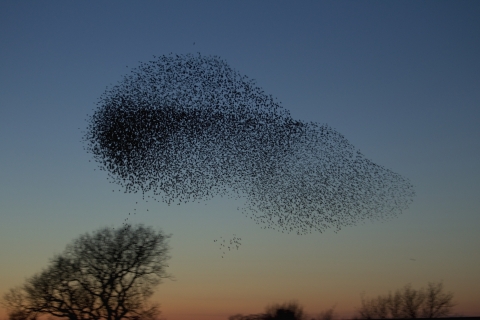
A murmuration is a fascinating sight in nature. It describes a large group of starlings flying together in tight, swirling patterns. These birds move as one, creating mesmerizing shapes in the sky. The word “murmuration” comes from the soft, murmur-like sound the wings make during flight.
Starlings gather in huge numbers before settling down to roost. Their collective flight forms waves and shapes that can seem almost magical. This natural display draws attention from bird lovers and scientists alike.
Visual Patterns In Flight
During a murmuration, thousands of starlings shift direction in perfect harmony. The birds twist, turn, and swoop, creating fluid shapes that flow across the sky. These patterns look like moving clouds or rippling water. Each starling adjusts its speed and position to stay close to neighbors without crashing.
Scientific Fascination
Scientists study murmurations to understand group behavior in animals. The birds’ ability to coordinate without a leader puzzles researchers. Each bird reacts quickly to changes in its neighbors’ movements. This helps the entire flock avoid predators and find safety. The study of murmurations offers clues about communication and teamwork in nature.
Winter Spectacle
Many murmurations happen in late autumn and winter. As daylight fades, starlings gather above trees or buildings to roost. The cold season brings large flocks together, making the displays even more dramatic. Watching a murmuration on a crisp evening is a breathtaking experience. It is one of nature’s most beautiful and mysterious shows.
Behavior Of Starling Groups
Starling groups display fascinating behavior that captures attention worldwide. Their movements and interactions reveal intelligence and cooperation. Observing these birds helps us understand how animals work together effectively.
Communication And Chattering
Starlings communicate constantly through chattering sounds. These calls help them stay connected within the group. Chattering signals warnings, food sources, or changes in flight. It creates a social bond and coordinates group actions quickly.
Flight Coordination
Starlings fly in tight, synchronized formations called murmurations. Each bird adjusts its speed and direction to match neighbors. This coordination requires quick reactions and sharp awareness. It creates beautiful, fluid shapes in the sky that change instantly.
Avoiding Collisions
Despite flying close together, starlings rarely collide. They use visual cues and subtle movements to keep distance. Each bird watches several others at once for smooth navigation. This skill helps the whole flock move safely as one unit.
Credit: www.lancswt.org.uk
Other Bird Group Names
Birds gather in groups with unique names that reflect their behavior or appearance. These collective nouns often surprise and delight nature lovers. Beyond starlings, many bird species have special group names. These terms add charm and depth to birdwatching experiences.
Let’s explore some interesting group names for robins, magpies, and ravens.
Robins: Blush And Round
A group of robins can be called a blush or a round. These names highlight the robin’s bright red chest and its friendly nature. Other terms include breast, bobbin, and riot. American robins may also be called a worm of robins. These playful names make spotting robins more fun and memorable.
Magpies: Charm And Mischief
Magpies are known for their striking black and white feathers and clever behavior. A group of magpies is called a charm or sometimes a mischief. These names capture the bird’s curious and sometimes naughty nature. Watching a charm of magpies is always an entertaining sight.
Ravens: Conspiracy And Unkindness
Ravens have a mysterious reputation in folklore and nature. Their groups are known as a conspiracy or an unkindness. These unusual names reflect the raven’s intelligence and eerie presence. Ravens often gather in small groups, adding to their mysterious allure.
Why Collective Nouns Matter
Collective nouns give names to groups of animals, including birds like starlings. They make language richer and more specific. Instead of saying “a group of starlings,” we say “a murmuration.” This sounds more vivid and interesting. Collective nouns help us imagine the behavior and nature of animals better.
Origin Of Terms
Many collective nouns started in medieval England. Hunters and poets created them to describe animal groups. Some names come from the animals’ actions or sounds. For example, “murmuration” reflects the soft murmuring sound starlings make. These terms passed down through generations and became part of the language.
Cultural Significance
Collective nouns connect us to history and culture. They appear in stories, poems, and folklore. Using them shows respect for nature and tradition. People enjoy these words because they add color to conversations. They also help preserve old customs and local dialects.
Enriching Birdwatching
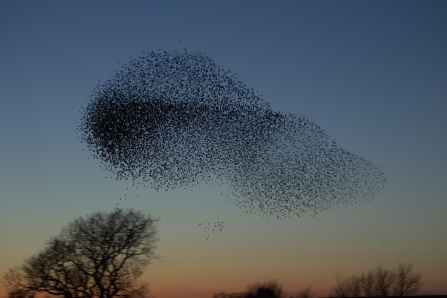
Birdwatchers use collective nouns to describe what they see more clearly. Saying “a murmuration of starlings” paints a picture of their swirling flight. These words make birdwatching more fun and memorable. They encourage learning and sharing knowledge about birds. Collective nouns deepen our appreciation of wildlife.
Credit: www.lancswt.org.uk
Frequently Asked Questions
What Is A Flock Of Starlings Called?
A flock of starlings is called a murmuration. They create stunning, synchronized patterns while flying together.
What Is A Group Of Robins Called?
A group of robins is called a round or a blush. Other names include breast, bobbin, riot, and worm (for American robins). These terms add charm beyond the simple “flock. “
What Is A Group Of Magpies Called?
A group of magpies is commonly called a charm, tiding, mischief, conventicle, or tittering. These collective nouns highlight their playful nature.
What Is A Group Of Ravens Called?
A group of ravens is called an unkindness, a conspiracy, or a constable. These unique terms reflect their mysterious nature.
Conclusion
A group of starlings is called a murmuration. These birds create stunning shapes in the sky by flying together in large numbers. Watching a murmuration is like seeing nature’s own dance. Starlings move quickly and smoothly, avoiding crashes with ease.
This behavior amazes both bird lovers and scientists alike. Now you know the special name for their gatherings. Next time you see many starlings flying as one, you can call it a murmuration. It’s a beautiful example of teamwork in the wild.