

Have you ever wondered where swans call home? These elegant birds aren’t just symbols of grace; their habitats reveal fascinating stories about nature and migration.
Whether you spot a swan gliding across a serene lake in your local park or dream of seeing them in the wild, understanding where swans live can deepen your appreciation for these majestic creatures. You’ll discover the different types of swans, where they breed, migrate, and settle year-round — including surprising urban spots and vast wilderness areas.
Ready to uncover the secrets of swan habitats and maybe even plan your next swan-watching adventure? Keep reading to learn where these stunning birds thrive and how their presence connects with the environment around you.

Credit: www.allaboutbirds.org
Swans In North America
Swans grace many parts of North America with their elegant presence. They live in diverse habitats, from frozen tundras to urban parks. These large water birds include native species and introduced ones. Each type has its own range and favorite spots for breeding and wintering.
Native Species And Their Range
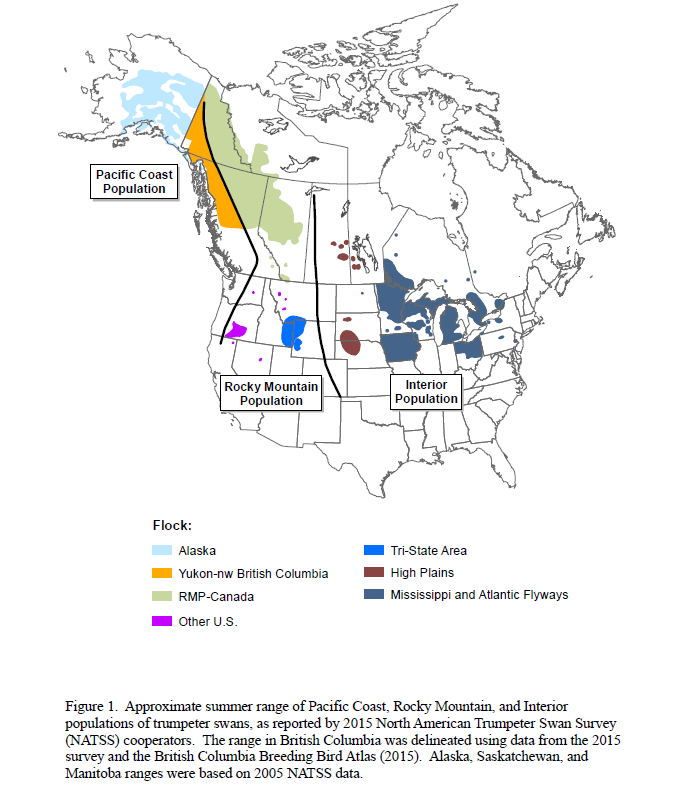
The two main native swans in North America are the Tundra Swan and the Trumpeter Swan. Tundra Swans breed in Alaska and northern Canada. They migrate south for winter along the Atlantic, Pacific coasts, and the Midwest. Trumpeter Swans also breed in Alaska and Canada. Their wintering areas include Washington state and parts of the Midwest. Both species are expanding their range as their populations recover.
Introduced Mute Swans
Mute Swans are not native but were introduced from Europe. They escaped from parks and private estates. Now, they live year-round in parts of the Northeast, Great Lakes, Chesapeake Bay, and California. These swans prefer calm lakes, city parks, and marshes. Mute Swans are often seen in urban settings where they have become a familiar sight.
Key Wintering And Breeding Spots
Important wintering spots for Tundra Swans include the Chesapeake Bay region covering Maryland, Delaware, and North Carolina. The Pacific Northwest, especially Washington and California’s coast, also hosts many during winter. Trumpeter Swans favor the Pacific Flyway, with large winter groups in Washington and Yellowstone. The Upper Midwest has key breeding and migration areas, including Minnesota and Wisconsin. Mute Swans stay mostly in established urban and natural areas year-round.
Credit: www.trumpeterswansociety.org
Tundra Swan Habitats
Tundra swans live in cold, open areas near water. They need safe places to raise their young. Their habitats include wetlands, lakes, and coastal zones. These birds migrate long distances between breeding and wintering sites. Their homes change with the seasons.
Understanding where tundra swans live helps protect their environment. It also helps bird watchers know where to find them.
Breeding Grounds In Alaska And Canada
Tundra swans breed in the Arctic tundra of Alaska and northern Canada. They prefer quiet wetlands with shallow water. These areas provide food and shelter for their cygnets. The tundra offers open spaces with few predators. Nests are built near ponds and lakes.
During summer, the long daylight helps swans find enough food. This boosts their chances of raising healthy young.
Migration Routes And Wintering Areas
Tundra swans migrate thousands of miles each year. They fly from Arctic breeding grounds to warmer winter homes. Common wintering areas include the Pacific Northwest and the Mid-Atlantic coast. They stop at wetlands and rivers to rest and feed. Migration happens mostly during spring and fall.
These routes are important for the swans’ survival. Safe stopover sites provide food and shelter on their long journey.
Preferred Wetlands And Coastal Zones
Tundra swans favor wetlands rich in aquatic plants. They feed in shallow marshes, ponds, and estuaries. Coastal bays offer protection from storms and predators. These zones have plenty of food year-round. Swans also use mudflats and tidal areas for feeding.
Healthy wetlands and coastal zones are vital for swan populations. They support both feeding and resting needs throughout the year.
Trumpeter Swan Distribution
The Trumpeter Swan is North America’s largest native waterfowl. Its distribution covers vast northern and western regions. This majestic bird prefers clean lakes, rivers, and wetlands. It breeds in cold, remote areas and migrates to milder climates for winter. Understanding where these swans live helps protect their habitats and supports their growing populations.
Breeding Locations In Northern Regions
Trumpeter Swans breed mostly in Alaska and northern Canada. They choose shallow lakes and wetlands with abundant vegetation. These quiet, remote areas provide safety and food for raising young swans. The cold climate limits predators, aiding the survival of cygnets. Breeding season lasts from late spring to early summer. Swans build large nests near water edges for easy access.
Wintering Areas In The Pacific Northwest
During winter, many Trumpeter Swans move south to the Pacific Northwest. Washington State hosts large wintering flocks in Whatcom and Skagit counties. These areas have open water and milder temperatures. The swans feed on aquatic plants and grains in nearby fields. Protected refuges and national parks support their winter survival. Mild winters allow swans to stay active and healthy.
Expanding Populations In The Midwest
The Midwest shows increasing Trumpeter Swan numbers. States like Minnesota and Wisconsin report growing breeding pairs. Conservation efforts and habitat restoration help this rise. Swans use lakes, rivers, and wetlands in these regions. They benefit from cleaner water and safe nesting spots. This expansion brings swans closer to human communities. It offers more chances to observe these magnificent birds.
Mute Swan Settlements
Mute swans have established many settlements in the United States. These beautiful birds are not native but have adapted well. They live in both urban and natural settings. Their presence adds charm to many water bodies.
Mute swans prefer calm waters such as lakes, ponds, and marshes. They build nests near the water’s edge. These birds are often seen gracefully swimming or feeding in these areas. Their settlements can be found from the Northeast to the West Coast.
Origins And Introduction In The Us
Mute swans were introduced to the US in the late 1800s. They escaped from private estates and parks. Over time, these birds formed wild populations. Their adaptability helped them survive in new environments. Today, they are found across several states.
Urban Parks And Natural Marshes
Urban parks are popular homes for mute swans. These parks offer safe water and plenty of food. Many people enjoy watching swans in city ponds. Natural marshes provide a more wild habitat. Swans use marshes to nest and raise their young. Both environments support their year-round presence.
Regional Populations And Behavior
Mute swan populations vary by region. The Northeast and Great Lakes have large groups. Chesapeake Bay and parts of California also host many swans. These birds often stay in one place all year. They show strong territorial behavior during breeding. Swans defend their nests fiercely to protect their young.
Seasonal Movements
Swans show distinct seasonal movements based on their species and habitat. These movements help them find food, suitable breeding grounds, and safe wintering areas. Understanding these patterns reveals where and when you can spot swans across different regions.
Migration Patterns Of Native Swans
Tundra and Trumpeter Swans are native species with clear migration routes. They breed in Alaska and northern Canada during summer. In fall, they travel south to warmer coastal and inland waters in the United States. Tundra Swans often winter along the Atlantic coast from Delaware to North Carolina. They also use the Pacific Northwest coast and parts of the Upper Midwest. Trumpeter Swans favor the Pacific Flyway, wintering in places like Washington and Yellowstone. These migrations allow swans to avoid harsh winters while accessing food and open water.
Year-round Presence Of Mute Swans
Mute Swans are not native but have established stable populations in the U.S. They live year-round in regions such as the Northeast, Great Lakes, Chesapeake Bay, and parts of California. These swans often stay in urban parks, lakes, and marshes, where food and shelter remain available all seasons. Unlike native swans, mute swans do not migrate long distances. Their presence is tied to the availability of open water and mild winters.
Key Spots For Winter And Spring Sightings
Winter is prime time to see native swans in places like Chesapeake Bay, Maryland, Virginia, and North Carolina. Washington’s coastal waters and California’s Suisun Marsh also attract large flocks. In spring and fall, the Upper Midwest—especially Minnesota and Wisconsin—hosts many migrating swans. For mute swans, urban parks in the Northeast and Great Lakes provide year-round viewing opportunities. These spots offer ideal conditions for swans to rest and feed during seasonal changes.
Swans In Urban And Natural Settings
Swans adapt well to both urban and natural environments. They thrive in city parks, lakes, and wild wetlands. These birds choose habitats with clean water and plenty of food. Their presence adds beauty and life to many places. Swans coexist with people in parks and with wildlife in natural settings. Understanding their role helps protect their homes.
Adaptations To City Parks And Lakes
Swans adjust to urban life by using man-made lakes and ponds. They feed on aquatic plants found in park waters. Swans tolerate human presence better than many wild birds. Their nests often appear on small islands or quiet shorelines in parks. These locations offer safety and easy access to food. Swans also benefit from regular feeding by visitors.
Role In Local Ecosystems
Swans help keep water plants under control by eating them. This feeding supports a balanced aquatic ecosystem. Their droppings add nutrients to the water, aiding other plants and animals. Swans serve as prey for some predators, supporting the food chain. Their large size can discourage smaller birds from crowding nesting areas. Swans thus influence the variety and health of local wildlife.
Conservation And Population Trends
Swans face threats from habitat loss and pollution in cities and nature. Conservation efforts focus on protecting wetlands and water quality. Some swan populations are rising due to these protections. Others remain vulnerable, especially where urban growth is rapid. Monitoring swan numbers helps guide future conservation plans. Public awareness also plays a key role in their survival.
Similar Species And Identification
Swans share habitats with several similar species. Knowing how to identify them helps avoid confusion. This section explores key differences and common misidentifications.
Understanding visual and behavioral traits is essential for accurate identification. Swans show subtle but important features to watch for.
Distinguishing Trumpeter And Tundra Swans
Trumpeter Swans are the largest native swans in North America. They have a straight bill line and all-black bills. Their calls are loud and trumpet-like.
Tundra Swans are smaller with a slight yellow spot near the eyes. Their bill has a gentle curve. Their voices sound softer and more musical.
Both species breed in Alaska and Canada but choose different wintering locations. Trumpeters prefer Pacific coastal areas, while Tundra Swans migrate to the Mid-Atlantic and Midwest.
Common Misidentifications
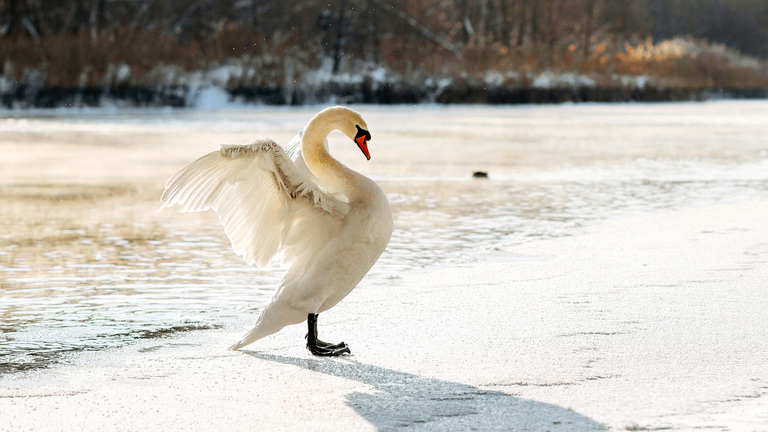
Mute Swans are often mistaken for native species. They have orange bills with a black knob at the base. Mute Swans do not whistle but hiss when threatened.
Geese and large ducks can also be confused with swans at a distance. Swans have longer necks and larger bodies than most waterfowl.
Juvenile swans can look grayish and may cause identification errors. Their plumage lightens as they mature.
Visual And Behavioral Traits
Swans have graceful, long necks and large wingspans. They glide smoothly on water and fly with strong, steady wingbeats.
Trumpeter Swans show a more robust build and a straight neck posture in flight. Tundra Swans appear slimmer and may curve their neck slightly.
Mute Swans often hold their wings raised above their backs in a “S” shape. This behavior is rare in native swans.
Credit: www.ifaw.org
Frequently Asked Questions
Where Do Swans Live In The Us?
Swans in the US live mainly in Alaska, northern Canada, and migrate to Pacific, Atlantic coasts, Midwest, and Chesapeake Bay. Mute Swans reside year-round in Northeast, Great Lakes, Chesapeake, and California parks. Key winter spots include Maryland, Virginia, North Carolina, Washington, and California wetlands.
What Happens If One Swan Dies?
When one swan dies, its mate may show signs of distress or loneliness. Swans often form lifelong bonds. The surviving swan might seek a new partner or remain alone temporarily. In the wild, this can affect local swan behavior and social dynamics.
What Is The Habitat Of A Swan?
Swans inhabit freshwater lakes, ponds, rivers, and marshes. Native Tundra and Trumpeter Swans breed in Alaska and Canada. Mute Swans live year-round in urban parks, lakes, and marshes across the U. S. They prefer calm waters with abundant vegetation for nesting and feeding.
What Is A Flock Of Swans Called?
A flock of swans is called a “wedge” or a “bevy. ” These terms describe swans flying or resting together.
Conclusion
Swans live in many places across North America. They choose lakes, rivers, and coastal wetlands. Native swans like Tundra and Trumpeter breed in Alaska and Canada. They migrate to warmer U. S. Coasts and inland lakes during winter. Introduced Mute Swans stay year-round in parks and marshes.
You can spot swans in the Midwest, Northeast, and West Coast. Their habitats are growing as populations recover. Watching swans reminds us how nature adapts and thrives. These beautiful birds connect us to wild places nearby.