

If you want to invite the vibrant and clever blue jays to your backyard, knowing exactly what to feed them is key. These striking birds aren’t just beautiful to watch—they’re smart, curious, and have a unique appetite that’s different from many other birds.
You might wonder, “What foods will make them keep coming back? ” Whether you’re a seasoned bird lover or just starting out, this guide will help you choose the best snacks to attract blue jays and keep them happy. From crunchy peanuts to juicy berries, you’ll discover simple, effective feeding tips that turn your outdoor space into a blue jay hotspot.
Ready to make your yard their favorite dining spot? Let’s dive in!
Best Nuts For Blue Jays
Blue Jays enjoy a variety of nuts that provide essential nutrients. Nuts offer good fats, protein, and energy for these active birds. Choosing the right nuts helps keep Blue Jays healthy and visiting your feeder often.
Offer nuts in moderation and avoid salted or flavored varieties. Natural, plain nuts are best for their diet. Below are some of the best nuts to feed Blue Jays.
Peanuts: Raw And Roasted
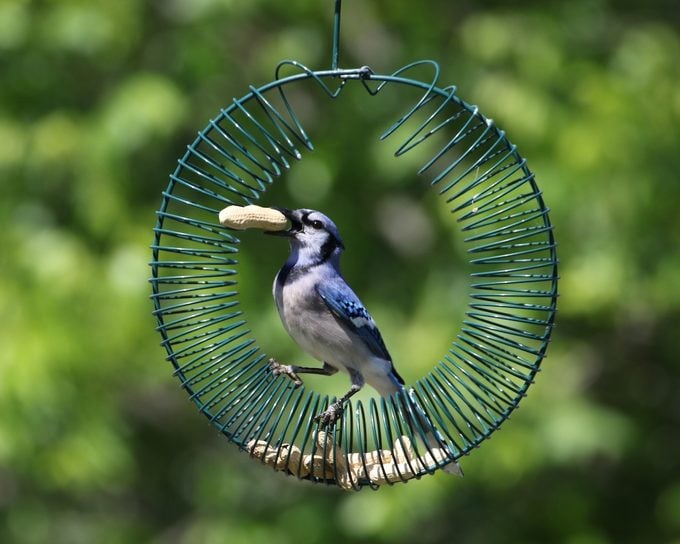
Peanuts rank highest among Blue Jays’ favorite nuts. Both raw and roasted peanuts are safe to feed. Always select unsalted and unflavored peanuts to avoid harmful additives. You can offer them shelled or in the shell. Shelled peanuts are easier to eat, but in-shell peanuts keep Blue Jays entertained as they crack them open.
Peanuts provide high energy and help Blue Jays stay active. They are easy to store and make a great staple at your feeder.
Acorns And Hazelnuts
Acorns are a natural food source for Blue Jays. These birds often collect and store acorns in the wild. Offering fresh acorns at feeders mimics their natural diet and encourages natural behaviors.
Hazelnuts are another excellent choice. They contain healthy fats and protein. Offer them shelled for easy access. Both acorns and hazelnuts attract Blue Jays and other wildlife, enriching your backyard ecosystem.
Walnuts And Other Tree Nuts
Walnuts provide a tasty treat for Blue Jays. Their hard shells make feeding fun and stimulating. Offer walnuts either cracked or whole, depending on how comfortable the birds are with shelling nuts.
Other tree nuts like pecans and almonds are also suitable but should be given in small amounts. Always ensure nuts are plain and fresh. Avoid nuts with added salt or spices to protect the birds’ health.

Credit: betterwithbirds.com
Seeds Blue Jays Prefer
Blue Jays enjoy various seeds, but some types stand out as their favorites. Offering the right seeds can attract these vibrant birds to your feeder. Seeds provide essential energy for their active lifestyle.
Choosing seeds that Blue Jays prefer helps keep them healthy and visiting often. Seeds also support their natural diet and feeding habits.
Black Oil Sunflower Seeds
Black oil sunflower seeds are a top choice for Blue Jays. These seeds have thin shells, making them easy to crack open. They contain high oil content, giving Blue Jays the energy they need.
Many bird lovers use these seeds because they attract a variety of birds, including Blue Jays. The seeds’ small size and rich nutrition make them perfect for daily feeding.
Cracked Corn Options
Cracked corn is another seed Blue Jays like. It is easy for them to eat because it is already broken into small pieces. Cracked corn provides carbohydrates, which offer extra fuel for their busy days.
You can find cracked corn at most garden or feed stores. Offering cracked corn along with sunflower seeds gives Blue Jays a balanced diet they enjoy.
Suet And Protein Sources
Blue Jays need good sources of fat and protein to stay active and healthy. Suet and protein-rich foods give them energy, especially in colder months. These foods support their strong muscles and help with feather growth. Offering suet and protein items attracts Blue Jays to your feeder and keeps them coming back.
Peanut Suet Cakes
Peanut suet cakes combine fat and protein in one treat. These cakes are made from suet mixed with peanuts and sometimes seeds. Blue Jays love the crunchy texture and rich taste. Hang suet cakes in a suet feeder or on a platform feeder. They provide a long-lasting energy source, especially during winter.
Mealworms For Protein Boost
Mealworms are a great protein snack for Blue Jays. These small insects are easy for them to eat and digest. Offer live or dried mealworms in a shallow dish or mixed into suet cakes. Mealworms help birds build strong muscles and stay healthy. They are especially good during breeding and molting seasons.
Fruits That Attract Blue Jays
Blue Jays enjoy a variety of fruits that provide them with essential nutrients and energy. Including fruits in their diet attracts these vibrant birds to your yard. Fruits offer natural sugars and hydration, which support their active lifestyle.
Planting fruit-bearing shrubs or offering fresh fruit on feeders can invite Blue Jays. They particularly favor certain berries and small fruits that are easy to eat and digest. These fruits also help keep Blue Jays healthy and strong throughout the year.
Cherries And Blackberries
Cherries catch the attention of Blue Jays with their bright red color. These fruits are juicy and full of natural sugars that birds love. Offer fresh cherries without pits to make eating safe and easy.
Blackberries grow wild in many areas and are a favorite snack. Their sweet taste and soft texture suit Blue Jays well. Birds often feed on ripe blackberries directly from bushes or feeders.
Grapes And Elderberries
Grapes provide a sweet treat packed with vitamins. Blue Jays enjoy eating grapes whole or in small pieces. Seedless grapes make feeding simpler and safer for these birds.
Elderberries are smaller but rich in antioxidants. Blue Jays eat elderberries during late summer and fall. These berries help birds prepare for migration or colder months.
Feeder Types For Blue Jays
Choosing the right feeder type is key to attracting blue jays to your yard. These birds are large and need feeders that can support their size and feeding habits. Different feeder styles offer unique benefits for holding their preferred foods like peanuts, sunflower seeds, and suet.
Platform And Tray Feeders
Platform and tray feeders provide an open space for blue jays to land and eat comfortably. They are perfect for offering larger foods such as peanuts and cracked corn. These feeders allow blue jays to easily pick up food with their strong beaks. They also attract other birds that enjoy similar foods.
Cleaning platform feeders is simple, which helps keep the feeding area healthy. Placing the feeder in a quiet, shady spot encourages blue jays to visit often. These feeders are a great choice for beginners who want to attract blue jays quickly.
Hopper Feeders With Platforms
Hopper feeders with platforms combine protection and space. They hold a good amount of seed and keep it dry during rain. The attached platform gives blue jays a sturdy place to perch while they eat. These feeders work well for black oil sunflower seeds and mixed nuts.
The hopper design prevents seed spillage and waste. It also makes refilling easier and less frequent. Blue jays enjoy using these feeders because they offer comfort and access to a variety of foods.
Tube Feeders With Large Ports
Tube feeders must have large feeding ports to accommodate blue jays. Smaller holes and perches are hard for them to use. Look for sturdy tube feeders with wide openings and strong perches. These feeders can hold sunflower seeds and peanuts.
Choose metal or heavy-duty plastic tubes to support the bird’s weight. Tube feeders with large ports reduce seed waste and allow blue jays to feed without struggle. Place these feeders where blue jays feel safe and can easily spot food.
Credit: www.birdsandblooms.com
Creating A Blue Jay-friendly Habitat
Creating a Blue Jay-friendly habitat helps attract these vibrant birds to your yard. It provides food, shelter, and water that blue jays need. A welcoming environment encourages them to visit often and stay longer. Simple steps can make your space inviting for blue jays.
Planting Native Trees
Native trees offer natural food and shelter for blue jays. Oaks produce acorns, a favorite food of blue jays. Beech and hazelnut trees also provide nuts they enjoy. Trees create safe places for nesting and resting. Planting these native species supports local wildlife and enriches your garden.
Providing Fresh Water Sources
Blue jays need fresh water for drinking and bathing. A shallow birdbath works well for them. Change the water daily to keep it clean. Moving water, like a small fountain, attracts birds more. Water sources help blue jays stay healthy and comfortable in your yard.
Year-round Feeding Tips
Feeding blue jays throughout the year helps them stay healthy and active. These birds do not migrate, so they rely on consistent food sources. Keeping a steady supply of their favorite foods supports their natural behaviors and energy needs. Adjust feeding habits with the seasons to match their changing diet.
Keeping Feeders Stocked
Blue jays visit feeders often, so keep them full. Refill feeders daily during cold months to provide enough energy. In warmer months, check feeders regularly to prevent spoilage. Use large platform or hopper feeders to hold ample food. Clean feeders often to avoid mold and bacteria buildup.
Encouraging Food Caching
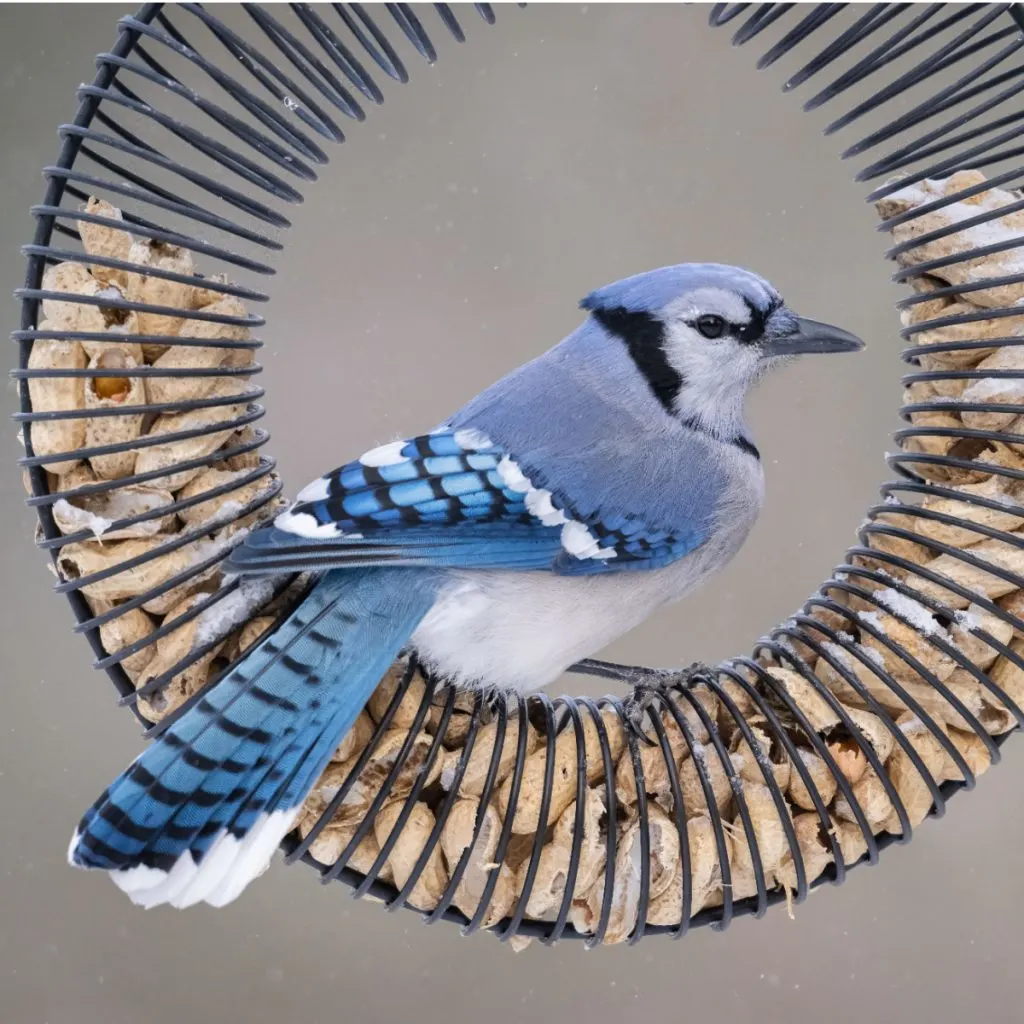
Blue jays store food for later use. Offer nuts like peanuts and acorns to promote this behavior. Scatter some food on the ground near trees for caching. Providing a variety of seeds and nuts helps them prepare for winter. Watch them hide food in tree bark or leaves.
Credit: simplegardenlife.com
Building Trust With Blue Jays
Building trust with blue jays is key to enjoying their visits. These birds are smart and cautious. They watch carefully before coming close. Patience and care help you gain their confidence. Trust lets blue jays feel safe around you. This opens the door to regular visits and feeding.
Start slow and keep your actions calm. Blue jays remember kind behavior. They learn who offers food without danger. This relationship grows with time and respect. Simple steps build a bond that lasts.
Consistent Feeding Routine
Feed blue jays at the same time daily. Consistency helps them learn your schedule. They begin to expect food from you. This routine makes them comfortable visiting your yard. Use the same type of food each time. It creates familiarity and trust. Avoid sudden changes that might scare them.
Maintaining A Gentle Presence
Move slowly and quietly near feeding spots. Loud noises or quick moves frighten blue jays. Stand or sit still while they eat. Keep a calm voice if you speak. Avoid reaching suddenly toward the feeder. Gentle presence shows you are not a threat. Over time, blue jays will come closer. This closeness rewards your patience and care.
Frequently Asked Questions
What’s The Best Thing To Feed Blue Jays?
Feed Blue Jays unsalted peanuts, black oil sunflower seeds, and suet in large platform or tray feeders. Offer natural foods like acorns, hazelnuts, cherries, and blackberries for attraction. Providing year-round food helps support their feeding and caching habits.
What Food Can I Put Out For Jays?
Offer jays unsalted peanuts, black oil sunflower seeds, suet, cracked corn, acorns, hazelnuts, cherries, blackberries, and mealworms. Use large platform or hopper feeders to accommodate their size.
How To Befriend A Blue Jay?
Offer unsalted peanuts, black oil sunflower seeds, and suet in large platform feeders. Provide fresh water and plant native trees like oaks. Be patient and consistent to build trust with blue jays over time.
What Food Can I Put Out For Blue Jays?
Offer blue jays peanuts (unsalted, raw or roasted), black oil sunflower seeds, suet, cracked corn, acorns, hazelnuts, cherries, and blackberries. Use large platform or hopper feeders for best results. Providing fresh water nearby also attracts them.
Conclusion
Blue Jays enjoy a variety of foods, especially peanuts and sunflower seeds. Offering suet and cracked corn helps keep them healthy and active. Planting native trees like oaks supports their natural diet. Clean water nearby encourages visits and bathing. Feeding them year-round builds trust and keeps them coming back.
A simple feeder with large perches suits their size best. Enjoy watching these bright birds thrive with the right food choices. Your backyard can become a lively spot for Blue Jays.