

Have you ever wondered how long your pet parrot might live compared to its wild cousins? If you’re thinking about bringing one of these colorful, intelligent birds into your home, knowing their lifespan is crucial.
Parrots can live for decades, but their years in captivity and in the wild can be very different. Why do some parrots thrive longer as pets, while others face challenges in nature that shorten their lives? You’ll discover the surprising reasons behind the lifespan gap, how your care impacts your feathered friend’s longevity, and what you can do to help your parrot live a long, happy life.
Keep reading to unlock the secrets of parrot lifespans and make the best choices for your companion bird.

Credit: birdsittingtoronto.ca
Parrot Lifespan Differences
Parrot lifespans vary greatly depending on their living conditions. These intelligent birds face different challenges in the wild versus captivity. Understanding these differences helps bird lovers provide better care.
Lifespan In Captivity
Parrots usually live longer as pets than in the wild. They avoid dangers like predators and harsh weather. Captive parrots get regular meals and clean water every day. They also receive medical care to prevent diseases. A balanced diet and mental stimulation improve their health. Larger species, such as macaws, can live 50 years or more with good care. Smaller parrots, like budgies, often live 10 to 15 years in captivity. Exercise and social interaction help keep captive parrots happy and healthy.
Lifespan In The Wild
Wild parrots face many risks that shorten their lives. Predators, food shortages, and diseases are common threats. Harsh weather and habitat loss also affect their survival. Wild parrots often live fewer years than captive ones. Many species survive only 10 to 20 years in nature. Parrots must find their own food and shelter daily. Stress from these challenges can reduce their lifespan. Despite this, wild parrots have strong survival skills suited to their environment.
Reasons For Longer Life In Captivity
Parrots often live longer in captivity due to several key factors. These factors create a safer and more stable environment than what parrots face in the wild. Captive parrots receive protection, steady food, and health care. Their environment is controlled to reduce risks. Each of these aspects contributes to a longer life span for pet parrots compared to wild ones.
Protection From Predators
In captivity, parrots are safe from natural enemies. Birds of prey and wild animals cannot harm them. This protection lowers the risk of injury or death. Wild parrots constantly face threats from predators. Captive parrots avoid these dangers, increasing their chances to live longer.
Consistent Food And Water
Pet parrots get a steady supply of food and clean water. Their diet is usually balanced and rich in nutrients. Wild parrots must search for food daily. Sometimes, food is scarce or poor in quality. Regular feeding helps captive parrots maintain good health and energy.
Regular Veterinary Care
Veterinary care plays a big role in parrots’ longevity. Captive birds receive regular check-ups and vaccinations. Illnesses are detected early and treated quickly. Wild parrots cannot get medical help and often suffer from untreated diseases. Healthy parrots live longer and feel better.
Controlled Environment
Captive parrots live in stable conditions. Temperature, humidity, and light are carefully managed. This control protects them from harsh weather and pollution. Wild parrots face storms, extreme heat, and toxic plants. A safe and comfortable environment reduces stress and health problems.
Wild Parrot Lifespan Challenges
Wild parrots face many challenges that shorten their lifespan. Their environment is full of dangers that captive parrots avoid. Survival depends on many factors like predators, food availability, diseases, and habitat conditions. These challenges create a tough life for wild parrots.
Predator Threats
Wild parrots often fall prey to birds of prey, snakes, and mammals. These predators hunt parrots for food. Parrots must stay alert and hide to survive. Younger and weaker parrots face higher risks of being caught.
Food And Water Scarcity
Finding enough food and clean water is not easy in the wild. Seasons change, and food sources may disappear. Parrots sometimes go hungry or thirsty. This weakens their bodies and lowers their chances of survival.
Disease And Injury Risks
Wild parrots catch diseases from other birds and the environment. Injuries from fights or accidents are common. Without treatment, illnesses and wounds can become deadly. Parasites also pose a constant threat to their health.
Habitat Loss Impact
Deforestation and human activities destroy parrot habitats. Loss of trees means fewer nesting sites and food sources. Parrots struggle to find safe places to live and breed. Habitat loss reduces their population and life expectancy.
Species And Size Impact
Parrot lifespan varies greatly by species and size. Size often influences how long a parrot lives both as a pet and in the wild. Smaller parrots usually have shorter lifespans. Medium and large parrots tend to live longer. Each species has unique needs that affect their longevity. Understanding these differences helps in providing better care for pet parrots.
Small Parrots Lifespan
Small parrots include budgerigars and lovebirds. Their lifespan in captivity ranges from 5 to 15 years. In the wild, they face dangers like predators and food scarcity. This often shortens their life to around 4 to 8 years. Small parrots need a balanced diet and mental stimulation to thrive in homes.
Medium-sized Parrots Lifespan
Medium parrots such as conures and pionus usually live 20 to 30 years in captivity. Wild lifespans are shorter due to environmental risks. These parrots require more space and social interaction. Proper care and nutrition can help medium parrots reach their full lifespan potential.
Large Parrots Lifespan
Large parrots include macaws and cockatoos. They often live 40 to 70 years or more as pets. In nature, their lifespan is reduced by predators and habitat loss. Large parrots need strong mental engagement and a rich diet. Their longer lives demand consistent, quality care from owners.
Captive Care Factors Influencing Longevity
Parrots in captivity often live longer than their wild counterparts. This difference arises from the quality of care they receive. Several key factors influence how long a pet parrot can live. Understanding these can help owners provide the best environment for their birds. Proper care includes diet, mental stimulation, and exercise. Each factor plays a vital role in improving a parrot’s lifespan and overall well-being.
Balanced Diet Importance
A balanced diet keeps parrots healthy and strong. Many pet owners rely too much on seeds. Seeds alone lack essential vitamins and minerals. Fresh fruits, vegetables, and pellets provide better nutrition. A varied diet prevents obesity and vitamin deficiencies. Proper nutrition supports immune health and longevity. Feeding the right foods reduces the risk of common diseases. Clean water must always be available for hydration.
Mental Stimulation Needs
Parrots are highly intelligent birds needing mental challenges. Without stimulation, they can become bored and stressed. Toys, puzzles, and social interaction keep their minds active. Training sessions offer both mental exercise and bonding time. Mental engagement lowers the risk of behavioral problems. A happy parrot is less prone to illness. Regular change of toys keeps their interest fresh and exciting.
Physical Exercise Role
Exercise is crucial for a parrot’s physical health. Flying, climbing, and playing strengthen muscles and bones. Lack of movement can cause obesity and joint problems. Providing space for flight or supervised outdoor time helps. Daily physical activity boosts circulation and digestion. Active parrots have better lung and heart health. Exercise also supports a healthy weight and a longer life.
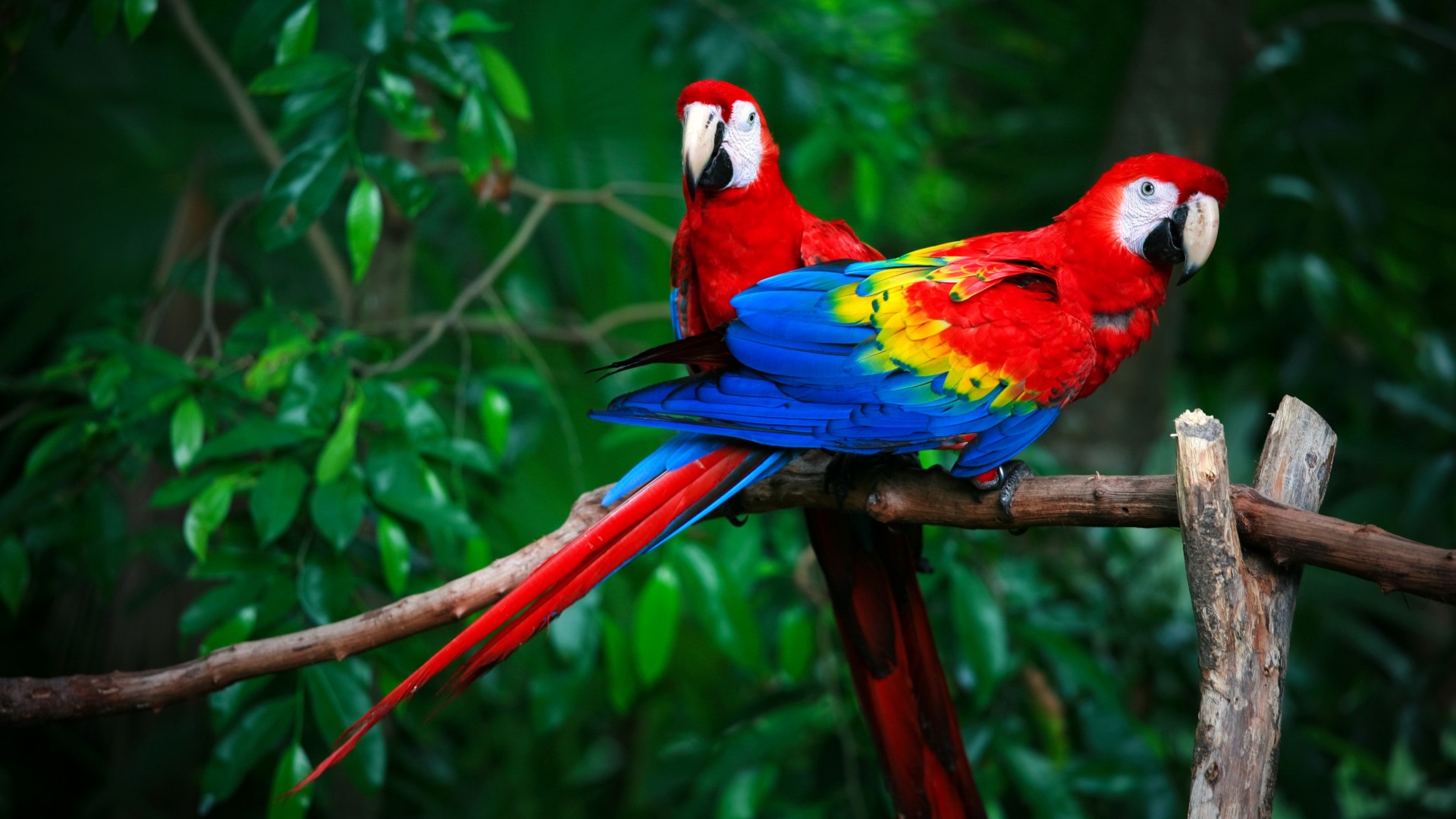
Credit: www.livescience.com
Common Myths About Parrot Lifespan
Many people believe parrots have a fixed lifespan no matter where they live. This is not true. Parrot lifespan varies widely based on many factors. Myths often confuse pet parrots’ longevity with those living in the wild. Understanding these myths helps provide better care for pet parrots.
Pet Vs. Wild Lifespan Misconceptions
Some think parrots live shorter lives as pets. Others say wild parrots always live longer. The truth lies between these views. Pet parrots often live longer due to safety and steady food supply. Wild parrots face dangers like predators, disease, and food shortages. These risks can shorten their lifespan. Still, poor care in captivity can reduce a pet parrot’s life. Quality care is key.
Species Lifespan Variability
Not all parrots live the same amount of time. Small parrots like budgies may live 5 to 10 years in the wild. Larger parrots like macaws can live 50 years or more. In captivity, these numbers can increase with proper care. Lifespan varies by species, environment, and diet. Treating all parrots the same ignores these important differences.
Tips For Extending Parrot Life In Captivity
Extending a parrot’s life in captivity requires focused care and attention. Proper nutrition, mental stimulation, and regular health checks play key roles. These steps help parrots stay healthy and happy for many years.
Proper Nutrition Guidelines
Feed a balanced diet with fruits, vegetables, and pellets. Avoid seed-only diets, which lack essential nutrients. Fresh water must always be available. Offer a variety of foods to provide vitamins and minerals. Limit treats to prevent obesity and health problems.
Enrichment And Training
Provide toys and puzzles to keep your parrot’s mind active. Rotate toys regularly to maintain interest. Teach simple commands and tricks to stimulate learning. Daily playtime and exercise improve physical health. Social interaction reduces stress and prevents boredom.
Regular Health Checkups
Visit an avian vet at least once a year. Watch for signs of illness, such as changes in appetite or behavior. Early detection of problems helps prevent serious diseases. Keep your parrot’s environment clean to avoid infections. Regular checkups support a longer, healthier life.
Parrots’ Natural Behavior And Longevity
Parrots show unique natural behaviors that influence their lifespan. Their longevity depends on how well their environment meets their needs. Wild parrots face many challenges but live by their instincts. Pet parrots rely on humans for care and companionship. Understanding these behaviors helps explain lifespan differences between wild and captive parrots.
Social Interaction Benefits
Parrots are highly social animals. In the wild, they live in flocks and communicate constantly. Social bonds reduce stress and promote mental health. Pet parrots need regular interaction to stay happy. Talking, playing, and grooming help mimic natural social behavior. Lack of social contact can shorten a parrot’s life in captivity.
Stress Factors In Captivity
Captive parrots often face stress from confinement. Limited space and lack of freedom cause anxiety. Noise, unfamiliar surroundings, and isolation increase stress levels. Stress weakens the immune system and leads to health issues. Providing a calm, enriched environment helps reduce stress. Stress management is key for longer lifespan in pets.
Adaptation To Environment
Wild parrots adapt to changing seasons and food availability. This natural adaptation strengthens their survival skills. Captive parrots depend on humans for food and shelter. They need a stable environment with proper nutrition and exercise. Without adaptation, parrots may develop health problems. Supporting natural behaviors helps pets live longer and healthier lives.
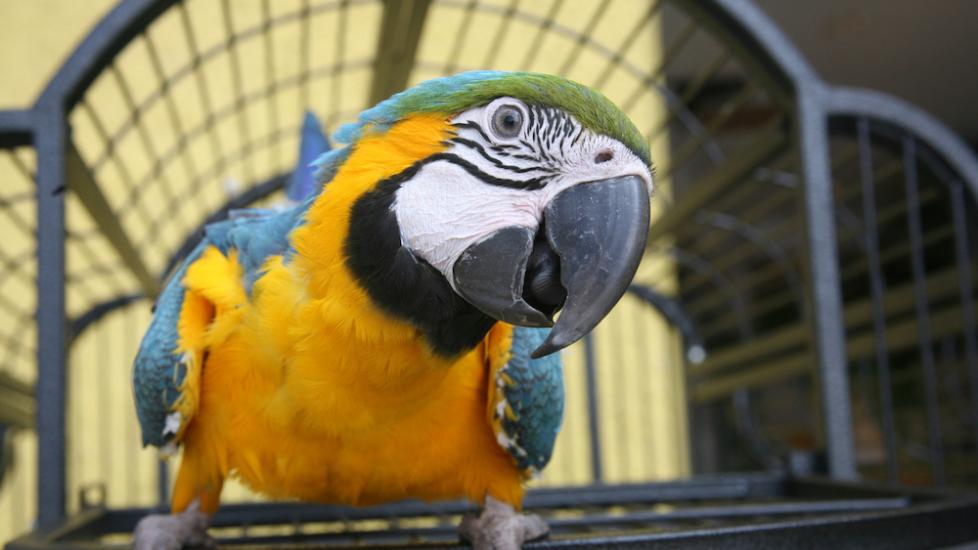
Credit: www.petmd.com
Frequently Asked Questions
Do Parrots Live Longer In Captivity Or In The Wild?
Parrots generally live longer in captivity due to steady food, protection from predators, and veterinary care. Species and care quality affect lifespan.
What Is The 3-3-3 Rule For Parrots?
The 3-3-3 rule for parrots means spending three minutes, three times daily, on interaction and training. This builds trust and reduces stress.
What Is The 60 40 Rule For Birds?
The 60/40 rule for birds means feeding 60% pellets and 40% fresh fruits, vegetables, and seeds for balanced nutrition.
How Long Can A Parrot Survive In The Wild?
Parrots can survive 10 to 30 years in the wild, depending on species and environmental factors. Predators, food scarcity, and diseases limit lifespan.
Conclusion
Parrots often live longer as pets than in the wild. Captive care protects them from predators and disease. Regular food, vet visits, and safe environments help extend their lives. Species size also influences lifespan; bigger parrots usually live longer. Mental and physical activities keep pet parrots healthy and happy.
Understanding these factors helps owners give better care. Choosing the right diet and exercise matters a lot. With proper care, pet parrots can enjoy many healthy years. Their lifespan depends on love, attention, and a safe home.