

Are sparrows taking over your bird feeder, leaving little for the colorful songbirds you actually want to attract? You’re not alone.
Sparrows can be persistent, messy, and downright greedy, turning your peaceful backyard into their own feeding frenzy. But here’s the good news: with a few simple, smart tricks, you can sparrow-proof your bird feeder and create a welcoming spot for the birds you love.
In this guide, you’ll discover easy-to-follow tips that use clever feeder designs, seed choices, and visual barriers to keep sparrows at bay. Ready to reclaim your feeder and enjoy a vibrant backyard bird scene? Let’s dive in and make it happen!
Seed Choices
Choosing the right seeds helps control sparrow visits at your feeder. Sparrows prefer some seeds and avoid others. Select seeds that attract your favorite birds but not sparrows. This simple step makes a big difference.
Avoid Millet And Corn
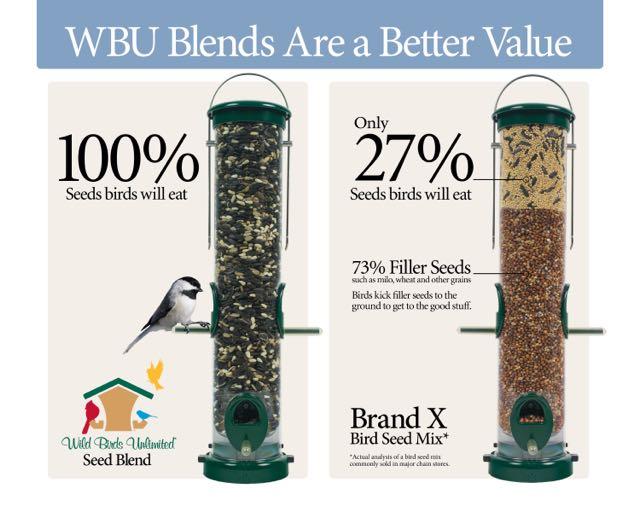
Millet and corn attract many sparrows. These seeds are small and easy to eat. Sparrows swarm feeders with these seeds quickly. Avoid seed mixes that include millet or cracked corn. Keeping these out reduces sparrow presence effectively.
Use Safflower And Sunflower
Safflower seeds are less liked by sparrows. Many songbirds enjoy safflower, making it a good choice. Black oil sunflower seeds attract finches and cardinals. Sparrows find sunflower seeds harder to eat due to their shell. Use these seeds to invite desired birds and keep sparrows away.
Try Nyjer Seeds
Nyjer seeds are tiny and oily, favored by finches. Sparrows usually ignore nyjer seeds because they are hard to handle. Use a special nyjer feeder to keep seeds from spilling. Nyjer seeds provide a great option for sparrow-proof feeding.

Credit: projectfeederwatch.wordpress.com
Feeder Designs
Choosing the right feeder design helps control sparrow visits. Some feeders limit sparrow access by size or shape. Birds like finches and chickadees can feed easily, while sparrows struggle. This section explains popular feeder designs that reduce sparrow problems.
Short Perch Feeders
Short perch feeders have very small perches or none at all. Sparrows find it hard to land or balance on these feeders. Smaller birds with lighter weight can still use them. These feeders reduce sparrow feeding time. They work best with tube feeders or small seed ports.
Caged Feeders
Caged feeders use a metal or plastic cage around the seed area. The cage holes fit smaller birds but block bigger sparrows. This design lets tiny birds eat safely. It also protects the seed from sparrows and squirrels. Caged feeders need proper hole size to work well.
Upside-down Feeders
Upside-down feeders hang with the feeding ports pointing down. Sparrows dislike hanging upside down. Smaller birds adapt better to this style. This feeder design reduces sparrow visits by making feeding uncomfortable for them. It also keeps the seed cleaner and dry.
Physical Barriers
Physical barriers protect your bird feeder from sparrows without harming birds. They create obstacles that sparrows avoid. These barriers allow smaller, desired birds to feed peacefully. Using physical barriers reduces sparrow visits effectively. Here are three popular options to consider.
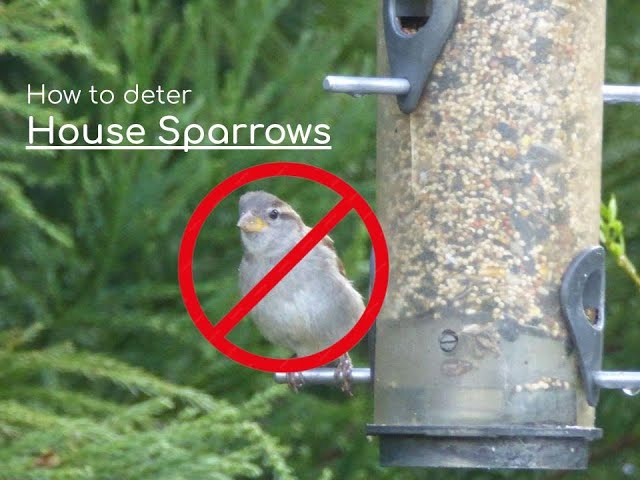
Fishing Line Halos
Fishing line halos are simple to make and install. Attach clear fishing lines in a circular pattern around the feeder’s top. Add small weights to keep lines taut and stable. Sparrows dislike flying through the thin lines and tend to avoid the area. This method does not block smaller birds and keeps your feeder accessible.
Halo Baffles
Halo baffles hang above the feeder and swing gently in the wind. They consist of thin wires or strings attached to a ring frame. Sparrows find flying through the hanging strands difficult. Halo baffles create a moving barrier that deters sparrows without disturbing other birds. Their easy setup makes them a popular choice for many bird lovers.
Wire Mesh Covers
Wire mesh covers block sparrows physically while allowing smaller birds to enter. Use mesh with openings sized to fit tiny birds only. Cover the feeder completely or partially, depending on the design. Wire mesh keeps sparrows away by restricting their access. This barrier also protects seeds from larger pests and reduces spillage.
Credit: www.youtube.com
Visual Deterrents
Visual deterrents offer a simple way to keep sparrows away from your bird feeder. These methods use light and shapes to confuse or scare sparrows. Sparrows dislike sudden flashes and shiny objects that move with the wind. Using visual deterrents can reduce sparrow visits without harming them. Place these items near your feeder to protect your seeds for other birds.
Reflective Tape And Foil
Reflective tape and foil catch sunlight and create bright flashes. These sudden glimmers scare sparrows and make them avoid the area. Cut tape or foil into strips and hang them near your feeder. The light movement keeps sparrows uneasy. Replace or adjust them regularly to maintain their effect.
Old Cds And Shiny Objects
Old CDs are cheap and easy to use as bird feeder deterrents. Hang CDs near your feeder so they spin and reflect sunlight. The shiny surface and movement confuse sparrows. You can also use small mirrors or shiny decorations. Avoid objects that can hurt birds or people.
Owl And Predator Decoys
Owl and predator decoys mimic natural enemies of sparrows. Place plastic owls or hawk statues near your feeder. Sparrows sense danger and stay away. Move the decoys every few days to keep sparrows from getting used to them. Change the position for the best effect.
Ground Feeding Control
Controlling ground feeding is a key step to keep sparrows away from your bird feeder. Sparrows love to eat seeds spilled on the ground. This makes the area around your feeder a perfect spot for them to gather. By managing ground feeding, you reduce food sources that attract sparrows. It also helps keep the feeding area clean and safe for other birds.
Clean Spilled Seed
Check the ground under your feeder daily. Remove any spilled seeds quickly. Use a small broom or brush to sweep up loose seeds. This stops sparrows from feeding on the ground. It also prevents waste and reduces the chance of mold or pests. Keeping the area tidy makes your yard less attractive to sparrows.
Use Seed Trays
Place seed trays under your bird feeders. These trays catch spilled seeds before they reach the ground. Choose trays with raised edges to hold the seeds securely. Seed trays help you control where seeds fall. They make cleaning easier and reduce food waste. Trays keep seeds off the soil, limiting sparrows’ access to dropped food.
Credit: springfieldil.wbu.com
Feeder Placement
Proper placement of your bird feeder plays a crucial role in keeping sparrows at bay. Sparrows prefer sheltered spots, so placing feeders thoughtfully reduces their visits. Positioning feeders in the right environment helps target the birds you want to attract.
Choose locations that favor small songbirds and discourage sparrow activity. Adjusting feeder placement can improve feeding success and enhance your backyard birdwatching experience.
Open Areas
Place your feeder in open spaces. Sparrows avoid wide, exposed areas because predators can spot them easily. Small birds feel safer and visit more often in open spots. Avoid corners or places surrounded by tall plants or walls. Open areas give birds clear flight paths and reduce sparrow hiding places.
Avoid Dense Shrubs
Dense shrubs provide perfect shelter for sparrows. They hide and rest in these thick bushes near feeders. Keep feeders away from heavy shrubbery or thick tree branches. This strategy forces sparrows to travel farther to reach food. It also helps you see and enjoy the colorful birds more clearly.
Timed Feeding
Offer food only during peak bird activity times. Place feeders out early morning and late afternoon. Bring them inside at night or during sparrow-heavy periods. Timed feeding reduces leftover seeds that attract sparrows. It limits their chances to dominate the feeder. This method supports healthier bird habits and cleaner feeding areas.
Nesting Management
Managing nesting sites helps reduce sparrow visits to your bird feeder. Sparrows like to nest near feeders. Blocking their nesting spots stops them from settling close. This lowers their presence and protects other birds.
Removing nests and eggs discourages sparrows from returning. It interrupts their breeding cycle and reduces their numbers. Doing this regularly keeps sparrows from dominating your feeder area.
Block Nesting Sites
Look for common sparrow nesting places near your feeder. Dense shrubs, eaves, and corners are favorites. Use mesh or netting to cover these spots. Keep branches trimmed to reduce shelter. This makes the area less inviting for sparrows.
Remove Nests And Eggs
Check nesting sites often during breeding season. Remove any sparrow nests and eggs you find. Wear gloves for safety and hygiene. Dispose of nests far from your property. This discourages sparrows from building nests nearby.
Combined Strategies
Using combined strategies improves your chances of sparrow-proofing bird feeders. Sparrows adapt quickly, so one method may not work long. Pairing seed choices with feeder designs and visual deterrents creates multiple challenges. This discourages sparrows more effectively than a single approach.
Combining tactics also protects other birds you want to attract. Adjusting seeds and feeders to favor smaller, preferred birds helps keep sparrows away. Adding rotating visual deterrents adds another layer of defense. Together, these strategies make your feeder less inviting to sparrows.
Mix Seed And Feeder Tactics
Choose seeds sparrows dislike, such as safflower or nyjer. Avoid mixes with millet or cracked corn, which sparrows love. Use feeders with short perches or cages that block larger birds. This stops sparrows from landing easily. Regularly clean spilled seeds to reduce ground feeding spots. Combining these seed and feeder choices limits sparrow access while feeding other birds.
Rotate Visual Deterrents
Use shiny tape, foil strips, or old CDs near feeders to scare sparrows. Hang strands of fishing line or wire with small weights above feeders to block flight paths. Place owl decoys or predator statues nearby but move them often. Sparrows get used to static objects quickly. Changing deterrents keeps sparrows unsure and less likely to return. This rotation increases the overall effectiveness of your sparrow-proofing efforts.
Frequently Asked Questions
How To Keep Sparrows Off Your Bird Feeder?
Use feeders with short perches and offer safflower or sunflower seeds. Hang fishing line halos and shiny deterrents. Clean up spilled seeds regularly to prevent ground feeding. Place feeders in open areas and remove nests to discourage sparrows effectively.
How To Get Rid Of Sparrows But Not Other Birds Naturally?
Use feeders with short perches and offer safflower or sunflower seeds. Hang fishing line halos and shiny tape near feeders. Clean spilled seeds promptly and place feeders in open areas to naturally deter sparrows without harming other birds.
What Is The Best Deterrent For Sparrows?
The best deterrent for sparrows combines size-specific feeders with seeds they dislike, like safflower. Use fishing line halos, clean seed spills, and add shiny tape or decoys to repel them effectively.
What Is The 5 7 9 Rule For Bird Feeders?
The 5 7 9 rule for bird feeders means placing feeders 5, 7, and 9 feet apart. This spacing reduces bird aggression and overcrowding. It helps attract a variety of bird species while minimizing competition and feeder damage.
Conclusion
Keeping sparrows away takes patience and simple steps. Use seed types sparrows dislike, like safflower or sunflower. Choose feeders with small perches or cages to block sparrows. Clean up spilled seeds to avoid ground feeding. Hang fishing line halos or shiny objects near feeders to scare sparrows.
Place feeders in open spots, away from dense bushes. Remove sparrow nests to stop them from settling nearby. Combining these methods keeps your bird feeder welcoming for your favorite birds. Enjoy watching a variety of birds visit your feeder peacefully.