

Have you ever found a tiny baby sparrow and wondered what to do next? Caring for these delicate little birds can feel overwhelming, especially if you don’t know what they need to eat or how to help them grow strong.
This Baby Sparrow Guide is here to walk you through everything you need to know—from feeding the tiniest nestlings to supporting fledglings ready to explore the world. By the end of this article, you’ll feel confident and ready to give your feathered friend the best care possible.
Keep reading, because every moment counts when it comes to saving and nurturing a baby sparrow.
Credit: rehabbersden.org
Baby Sparrow Stages
Baby sparrows grow quickly through distinct stages. Each stage shows unique traits. Understanding these helps to care for them properly.
The first stage is the nestling. Nestlings stay in the nest and rely on their parents. The second stage is the fledgling. Fledglings start to explore outside the nest and practice flying.
Nestlings Characteristics
Nestlings have soft, sparse feathers and closed or barely open eyes. They cannot regulate their body temperature well. They depend entirely on parents for warmth and food. Their skin looks pink and fragile. Nestlings make quiet chirps when hungry. Parents feed them insects and worms to support fast growth. At this stage, they cannot leave the nest or move far.
Fledglings Features
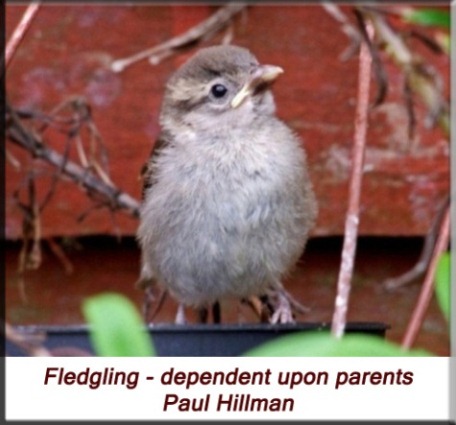
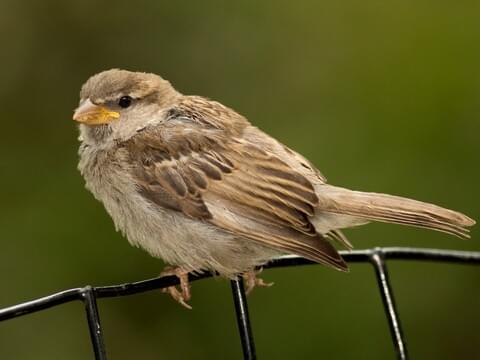
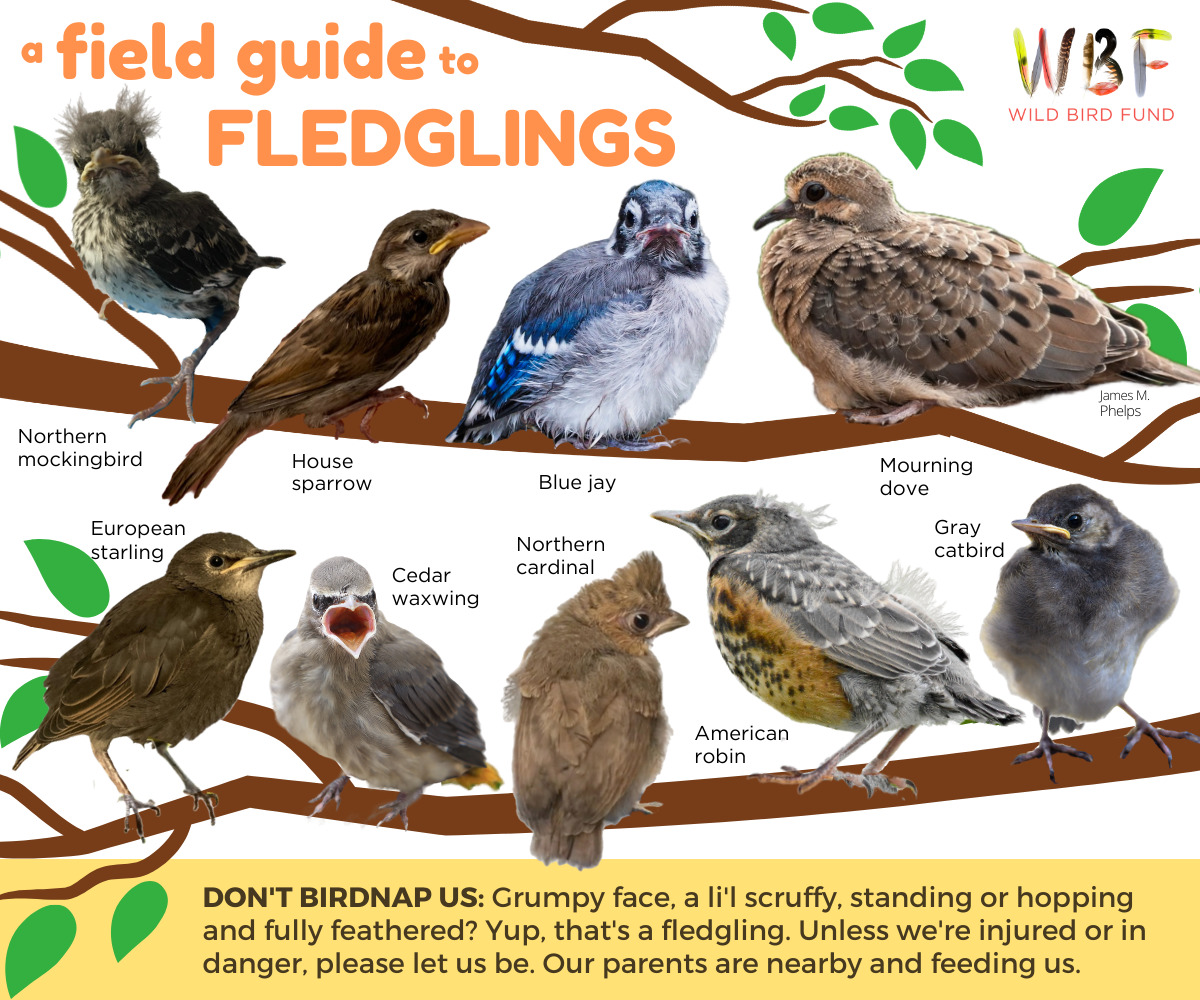
Fledglings have more feathers and open eyes. Their feathers look fluffier and stronger. They start hopping around near the nest. Fledglings practice flying short distances but are not yet skilled. They begin to eat seeds and soft fruits along with insects. Parents still feed and protect them but let them explore. Their chirps become louder as they communicate more. This stage helps sparrows learn survival skills.
Feeding Baby Sparrows
Feeding baby sparrows is a careful task. Their diet changes as they grow from helpless nestlings to active fledglings. Proper nutrition helps them develop strong feathers and healthy bodies. Understanding what to feed them at each stage is key to their survival and growth.
Food For Nestlings
Baby sparrow nestlings need high-protein food to grow fast. Their parents feed them mostly insects. You can offer live or dried mealworms, small crickets, aphids, caterpillars, and tiny spiders. Another option is wet cat or dog food mixed with water to make it soft. Adding a pinch of calcium or vitamin powder helps bone growth. Crumbled hard-boiled egg yolk, moistened, is also good for young birds.
Diet For Fledglings
Fledglings have feathers and can hop around. Their diet starts to include seeds and grains along with insects. Small amounts of soft fruits and sprouts work well. Soft foods like soaked biscuits, mashed cooked rice, or egg are gentle on their growing beaks. Keep providing insects to ensure enough protein for energy and feather development.
Foods To Avoid
Never feed baby sparrows milk or bread soaked in milk. These foods can harm their digestion. Avoid giving sugary or salty human foods. Do not force-feed water directly into their mouths. Offer water in a shallow dish or a small sipper bottle. Always seek advice from a licensed wildlife rehabilitator to ensure proper care for these wild birds.
Hydration Tips
Keeping a baby sparrow hydrated is key to its health and growth. Water supports digestion, temperature control, and overall energy. Young sparrows cannot drink large amounts at once. They need careful and safe ways to get water daily.
Safe Water Offering
Use clean, fresh water free from chemicals or pollutants. A shallow dish works well, but the water should be no deeper than a quarter inch. This prevents drowning risks. Change the water often to avoid bacteria growth. Avoid forcing water into the sparrow’s mouth. Instead, let the bird drink naturally from a dropper or shallow container. If using a dropper, place water at the side of the beak gently.
Avoiding Dangers
Do not give sugary drinks, milk, or saltwater. These can harm the sparrow’s delicate system. Avoid deep bowls or containers where the bird can fall in. Keep water away from strong sunlight to prevent overheating. Never leave water standing for long periods outdoors. This can attract insects and spread disease. Always observe the baby sparrow while drinking to ensure safety and comfort.
Housing And Environment
Providing the right housing and environment is key to raising a healthy baby sparrow. A secure and comfortable space helps the bird grow strong and feel safe. Baby sparrows need a quiet, warm area away from direct sunlight and drafts. This section covers how to create a safe space and maintain proper temperature and comfort for your little bird.
Creating A Safe Space
Choose a small box or cage with soft bedding like shredded paper or cloth. Avoid materials that can tangle or harm the sparrow. Place the housing in a calm, quiet room to reduce stress. Keep pets and loud noises away. Ensure good ventilation without exposing the bird to cold drafts. Clean the space regularly to prevent bacteria and mites.
Temperature And Comfort
Baby sparrows cannot regulate their body temperature well. Keep the environment warm, ideally between 85°F and 90°F (29°C to 32°C). Use a heating pad or lamp placed safely to avoid burns. Monitor the temperature with a thermometer. If the sparrow huddles or shivers, it is too cold. If it panting or moves away from heat, it is too hot. Adjust the heat source to keep the bird comfortable.
Growth And Development
Baby sparrows grow quickly after hatching. Their development happens in clear stages. Each stage shows changes in feathers and behavior. Understanding these changes helps in caring for them properly.
Feather Growth
Baby sparrows start with soft, downy feathers. These keep them warm but do not allow flight. Within a week, stronger feathers begin to replace the down. Wing and tail feathers grow fast to prepare for flying. By two weeks, most feathers are visible. Feather colors become clearer and patterns form. Full feather growth signals readiness to leave the nest soon.
Behavioral Milestones
At first, baby sparrows cannot see well and stay quiet. They rely on parents for food and warmth. Around one week, their eyes open and they start to move more. They begin to explore the nest and flap wings gently. By two weeks, they practice hopping and short flights. They also start to eat on their own. Social behaviors like chirping and calling develop. These milestones mark their growth toward independence.
Health And Safety
Taking care of a baby sparrow requires close attention to its health and safety. Young sparrows are delicate and need a clean, safe environment. Their health can change quickly, so monitoring them daily is important. Providing proper care helps them grow strong and ready to live in the wild.
Common Illnesses
Baby sparrows can catch infections easily. Respiratory infections are common and cause sneezing or difficulty breathing. Parasites like mites and lice can irritate their skin and feathers. Digestive problems may show as diarrhea or poor appetite. Watch for signs like weakness, puffed-up feathers, or lack of movement.
When To Seek Help
Seek help if a baby sparrow stops eating or drinking. If it shows trouble breathing or bleeding, immediate care is needed. Contact a wildlife rehabilitator for serious injuries or infections. Early treatment increases survival chances. Do not try to give medicine without expert advice.
Handling And Interaction
Handling and interacting with a baby sparrow requires care and gentleness. Proper techniques help build trust and keep the bird safe. Young sparrows are fragile and can get scared easily. Every touch should be soft and calm. A calm approach supports healthy development and bonding.
Proper Handling Techniques
Use clean hands before touching the baby sparrow. Wet your fingers slightly to prevent feathers from sticking. Hold the bird gently but firmly to avoid injury. Support the body with one hand under the chest. Avoid squeezing the wings or legs. Limit handling time to reduce stress. Handle the sparrow in a quiet room to keep it calm.
Minimizing Stress
Keep noise and sudden movements low around the baby sparrow. Speak softly to avoid startling it. Avoid bright lights or direct sunlight during interaction. Provide a warm and safe environment for the sparrow. Watch for signs of distress, like rapid breathing or struggling. Stop handling immediately if the bird seems scared. Regular but gentle interaction helps the sparrow feel secure over time.
Preparing For Release
Preparing a baby sparrow for release is a delicate process. It requires patience and careful attention. The goal is to help the bird survive in the wild independently. This stage focuses on teaching survival skills and picking the right moment to let it go.
Building Survival Skills
Survival skills are key for a baby sparrow’s success outside. Practice flying in a safe, open space. Encourage the bird to find food on its own. Offer live insects and seeds to mimic natural diet. Teach it to recognize shelter and avoid dangers. Gradually reduce human contact to build confidence.
Choosing The Right Time
Timing the release affects the sparrow’s chances greatly. Wait until the bird can fly steadily and feed itself. Release during calm weather and daylight hours for safety. Pick a location with plenty of cover and food sources. Avoid busy roads or areas with many predators. Watch the bird closely after release if possible.
Legal And Ethical Considerations
Understanding legal and ethical considerations is crucial when caring for a baby sparrow. Wild birds have protections under the law. These rules help protect their welfare and natural habitats. Rescuing or handling a baby sparrow without knowledge can cause harm or lead to legal trouble. It is important to respect wildlife and follow guidelines carefully.
Wildlife Regulations
Many countries have strict laws about handling wild birds. Baby sparrows are often protected under these laws. It is illegal to keep or harm them without proper permits. These regulations aim to prevent illegal trade and protect bird populations. Always check local rules before intervening with a wild baby sparrow. Ignoring these laws can lead to fines or penalties.
Contacting Professionals
Experts such as licensed wildlife rehabilitators have the skills to care for baby sparrows. They understand the best methods to feed and protect these birds. Contacting a professional ensures the bird receives proper care and a chance to return to the wild. Avoid trying to raise a baby sparrow alone. Professional help supports the bird’s health and follows legal standards.
Credit: www.allaboutbirds.org
Credit: www.wildbirdfund.org
Frequently Asked Questions
How To Tell How Old A Baby Sparrow Is?
Check feather development and eye status: closed eyes and no feathers indicate a few days old; feathers and open eyes suggest 7-14 days. Fledglings resemble small adults and are about 2 weeks old. Observing behavior and size helps estimate a baby sparrow’s age accurately.
What Should I Feed A Baby Sparrow?
Feed baby sparrows high-protein insects like mealworms, crickets, and small spiders. As they grow, add seeds, grains, and softened wet cat or dog food. Always provide fresh water and consult a wildlife rehabilitator for proper care. Avoid milk and bread.
What Should I Do If I Find A Baby Sparrow?
Check if the baby sparrow is injured or cold. Place it safely nearby if healthy. Avoid feeding or giving water. Contact a licensed wildlife rehabilitator for expert care and advice.
How Long Can A Baby Sparrow Survive Without Food Or Water?
A baby sparrow can survive about 24 to 48 hours without food or water. Prompt feeding and hydration are vital for survival.
Conclusion
Caring for a baby sparrow takes patience and gentle hands. Feed them insects and soft foods for healthy growth. Keep water available in a safe, shallow dish. Avoid giving milk or bread to prevent harm. Always reach out to wildlife experts for guidance.
Watching a baby sparrow grow is a rewarding experience. Small steps make a big difference in their survival. This guide helps you support these little birds the right way.