

Thinking about raising baby turkeys but not sure where to start? You’re not alone.
Baby turkeys need special care to grow healthy and strong, and getting it right from day one can feel overwhelming. But don’t worry—this guide breaks down everything you need to know in simple, clear steps. From keeping your poults warm and comfortable to feeding them the right way, you’ll learn how to give your baby turkeys the best start possible.
Keep reading, and soon you’ll be confidently raising happy, thriving turkeys right in your own backyard.
Choosing Turkey Breeds
Choosing the right turkey breed is a key step in raising healthy baby turkeys. Different breeds have unique traits, such as size, growth rate, and temperament. These traits affect how you care for them and what you can expect from them. Understanding breed types helps you pick turkeys that fit your goals, whether for meat, pets, or heritage preservation.
Consider your space, climate, and purpose before deciding. Some breeds grow fast and large, while others are slower but hardier. Knowing these differences ensures your turkeys thrive and meet your needs.
Popular Heritage Breeds
Heritage turkey breeds are traditional and raise naturally. They grow slower than commercial types but develop strong muscles and rich flavors. These turkeys live longer and can reproduce naturally. Examples include Bourbon Reds, Narragansett, and Standard Bronze. Heritage breeds suit farmers valuing natural growth and history.
Broad Breasted Varieties
Broad breasted turkeys are bred for meat production. They grow quickly and develop large breasts, making them popular for Thanksgiving dinners. Common types are Broad Breasted White and Broad Breasted Bronze. These turkeys need more food and space. They cannot reproduce naturally and require artificial insemination.
Pet Vs. Meat Turkeys
Pet turkeys are smaller, friendlier, and easier to handle. They make good companions and fit well in small farms or backyards. Meat turkeys are larger and raised mainly for food. They need more care, feeding, and space. Decide if you want turkeys for companionship or meat production before choosing a breed.
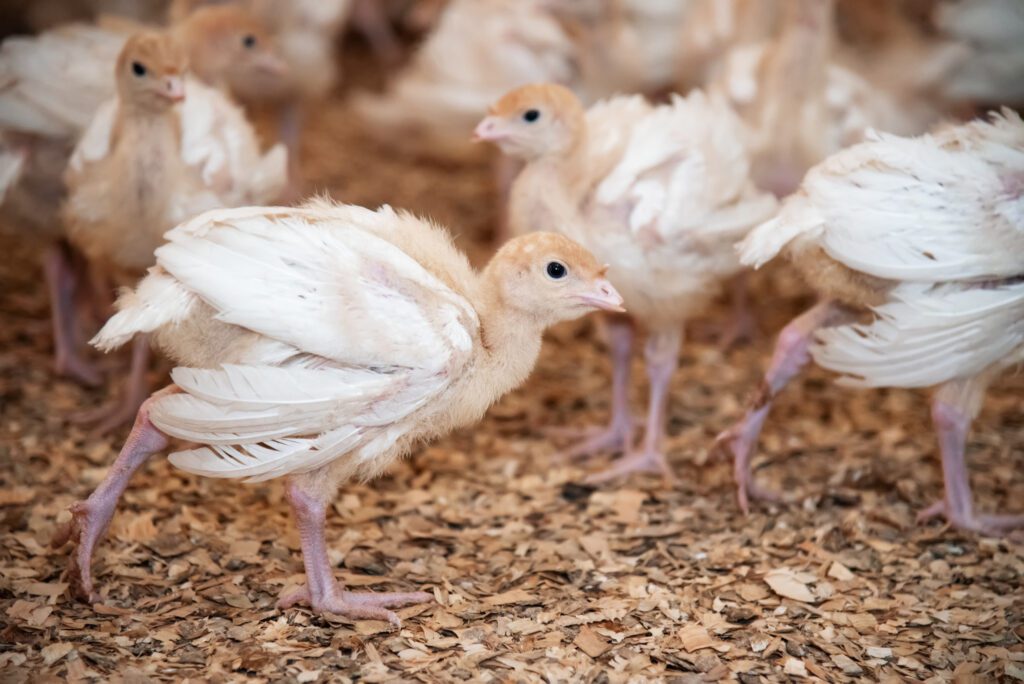
Credit: www.freedomrangerhatchery.com
Setting Up The Brooder
Setting up the brooder is the first step in raising healthy baby turkeys. It provides a safe and warm space for poults to grow. A good brooder protects them from cold and drafts. It also helps keep their living area clean and comfortable. Proper setup improves their chance of survival and growth.
Careful attention to the brooder environment makes a big difference. It affects the poults’ health and behavior. Let’s explore the key elements to create the perfect brooder for your baby turkeys.
Ideal Brooder Environment
The brooder should be dry and draft-free. Choose a quiet spot away from noise and pets. Provide enough space for the poults to move freely. Crowding causes stress and health problems. Make sure there is good air flow without cold drafts. Cleanliness is important to prevent disease. Remove wet or dirty bedding daily.
Litter And Bedding Choices
Use clean, dry bedding like pine shavings or straw. Avoid cedar shavings; they can harm the poults. Bedding should be soft to protect their feet. It also absorbs moisture and droppings. Change bedding often to keep the brooder fresh. A layer 2 to 3 inches thick works well. Check bedding daily for wet spots and replace as needed.
Temperature And Heat Lamps
Baby turkeys need warmth to stay healthy. Start with 95°F near the heat source. Lower the temperature 5°F each week until poults grow feathers. Use a heat lamp or brooder heater safely. Hang the lamp at a height to keep the right temperature. Provide cooler areas so poults can move away if too warm. Watch poults for signs of heat stress or cold.
Feeding Baby Turkeys
Feeding baby turkeys is a key part of their healthy growth. Proper nutrition helps them develop strong bones and feathers. It also supports their immune system to fight diseases. Baby turkeys need a balanced diet from the start. Their feed must match their age and needs. Clean water is as important as food. Supplements and treats can enhance their diet but must be given carefully.
Starter Feeds And Nutrition
Starter feeds are specially made for baby turkeys. These feeds have more protein than adult turkey feed. Protein helps poults grow fast and build muscles. Look for feeds with around 28% protein for the first 6 to 8 weeks. Feeds should also contain vitamins and minerals. These nutrients support bone and feather growth. Avoid giving them adult feed too early. It can cause health problems.
Watering Tips
Fresh water must be available all the time. Water helps digestion and keeps turkeys cool. Change water daily to prevent bacteria. Use shallow waterers to avoid drowning risks. Clean waterers often to remove dirt and droppings. In cold weather, check water to prevent freezing. Always place water close to feeding areas for easy access.
Supplements And Treats
Supplements like vitamins or probiotics can boost health. Use them only if needed or advised by a vet. Treats can include small amounts of fruits or vegetables. Avoid giving too many treats to keep diet balanced. Do not feed baby turkeys junk food or bread. Too many treats may cause digestive problems. Keep treats small and occasional to keep poults healthy.
Health And Disease Prevention
Keeping baby turkeys healthy is key to raising strong birds. Early care helps prevent disease and supports growth. Poults face many health challenges in their first weeks. Knowing how to avoid illness sets your flock up for success.
Common Illnesses
Baby turkeys often suffer from respiratory infections. Symptoms include coughing, sneezing, and nasal discharge. Another common issue is pasty butt, where droppings block the vent. This can be fatal if not cleaned quickly. Coccidiosis also affects poults and causes diarrhea and weakness. Early detection and treatment are vital to stop spread.
Keeping Poults Warm And Dry
Warmth is essential for baby turkeys’ survival. Poults cannot regulate their body heat well. Use heat lamps or brooders to keep temperatures around 90°F in the first week. Gradually lower the heat as they grow. Always provide dry bedding to avoid cold and damp conditions. Wet or cold poults get sick easily and grow slowly.
Vaccination And Biosecurity
Vaccines protect poults from common diseases. Consult a vet to choose the right vaccines. Practice good biosecurity by limiting visitors and cleaning equipment. Keep new birds separate from your flock for at least two weeks. Regularly clean feeders, drinkers, and housing to reduce germs. These steps lower disease risk and keep poults healthy.
Daily Care And Handling
Daily care and handling of baby turkeys is key to their healthy growth. It sets the foundation for their future well-being. Proper routines help turkeys adapt and thrive in their environment. Consistency in care builds trust between you and your birds. This section covers socializing, safe handling, and monitoring their progress.
Socializing Turkeys
Baby turkeys need early social interaction to grow confident. Spend time near them each day. Talk softly to reduce their fear of humans. Let them see and hear you often. Introduce gentle touch gradually, starting with small strokes. Group poults together to encourage natural behaviors. Social turkeys stay calm and are easier to manage.
Safe Handling Techniques
Handle baby turkeys with care to prevent stress or injury. Approach them slowly and calmly. Support their body fully when lifting. Avoid grabbing wings or legs abruptly. Hold poults close to your body for security. Use both hands to keep them steady. Frequent, gentle handling helps turkeys get used to being held.
Monitoring Growth And Behavior
Watch daily for signs of healthy growth and activity. Check their feathers for smoothness and fullness. Observe their eating and drinking habits closely. Note any changes in movement or energy levels. Early detection of illness improves treatment success. Keep records of weight and size weekly. Healthy poults are active, alert, and growing steadily.
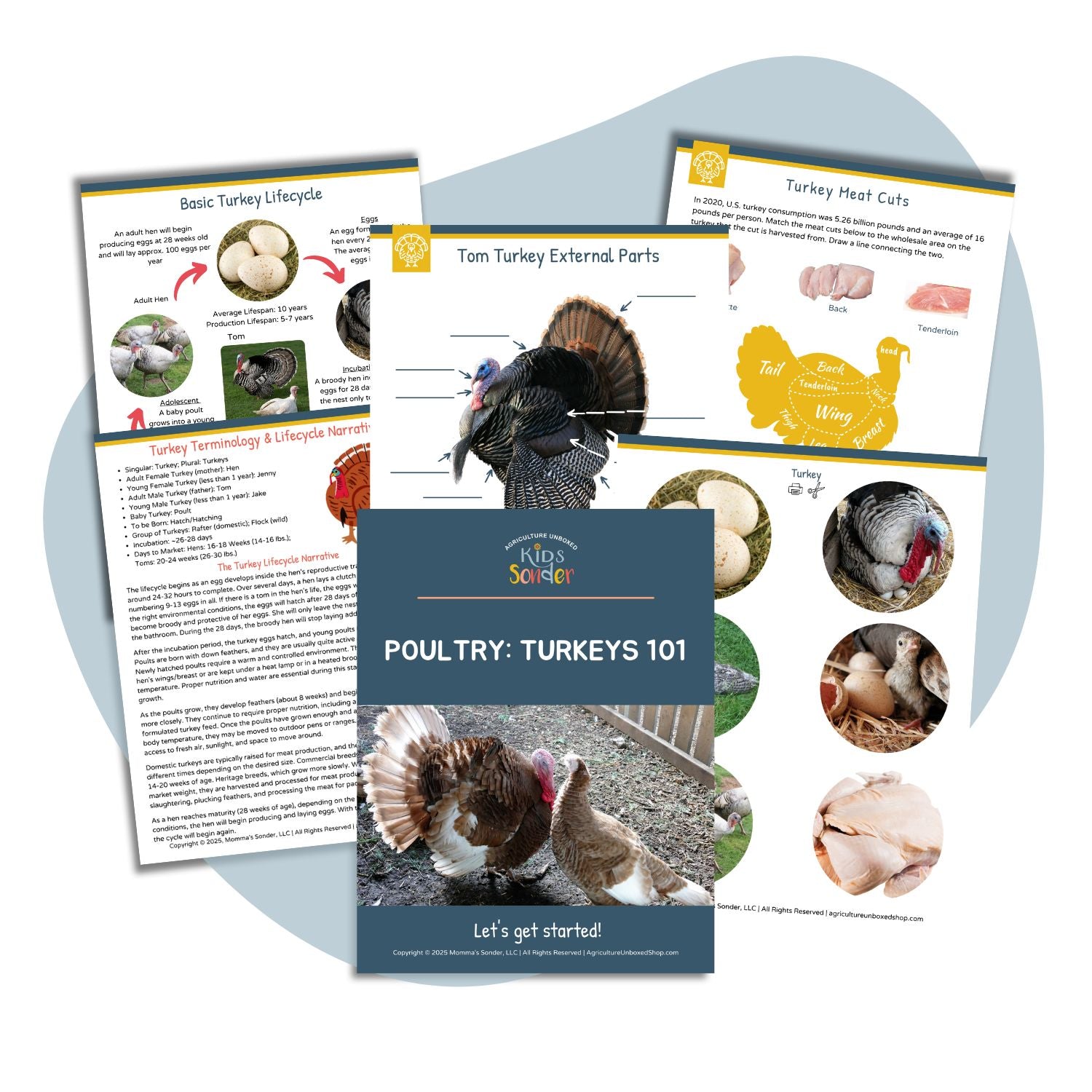
Credit: www.agricultureunboxedshop.com
Housing And Outdoor Access
Proper housing and outdoor access are crucial for healthy baby turkeys. They need a safe, warm place to rest and plenty of space to explore outside. Good housing protects poults from weather and predators. Outdoor time helps them grow strong and learn natural behaviors.
Building Turkey Shelters
Start with a dry, well-ventilated shelter. Use wood or metal materials that block wind and rain. Keep the floor covered with clean, dry bedding like pine shavings. Ensure the shelter is easy to clean and disinfect. Provide enough space for poults to move freely. Include a heat source for warmth during cold days. A simple brooder box works well for the first weeks.
Safe Outdoor Enclosures
Choose a secure area for outdoor access. Use fencing that keeps out predators like dogs and foxes. The fence should be high enough to prevent turkeys from flying out. Provide shaded spots to protect from sun and heat. Check the enclosure daily for holes or weak spots. Place food and water stations inside the enclosure. Supervise poults during their first outdoor sessions.
Seasonal Considerations
Adjust housing based on the season. In cold months, increase bedding and use heat lamps. In hot weather, add ventilation and shade. Protect poults from rain and snow with a covered shelter. Move outdoor enclosures to sunny spots during winter. Avoid letting poults stay outside during storms. Regularly monitor their health and comfort throughout the year.
Troubleshooting Common Issues
Raising baby turkeys comes with challenges that need quick attention. Common problems can affect their health and growth. Early troubleshooting helps ensure healthy poults and a happy flock. Below are key issues and easy fixes to keep your baby turkeys thriving.
Dealing With Pasty Butt
Pasty butt happens when droppings stick around the vent. It blocks waste and can harm your baby turkey. Check your poults daily for signs of buildup. Use warm water and a soft cloth to clean the area gently. Keep the brooder warm and dry to prevent this problem.
Preventing Respiratory Problems
Baby turkeys are sensitive to poor air quality. Dust, ammonia, and dampness can cause breathing issues. Provide fresh air but avoid drafts. Change bedding often to keep the area clean and dry. Watch for coughing or sneezing and isolate sick birds quickly.
Handling Aggression
Young turkeys sometimes show aggression to peers. This can lead to injury and stress. Provide enough space and food to reduce competition. Use distractions like hanging treats or mirrors to calm them. Separate the most aggressive poults to keep peace in the flock.
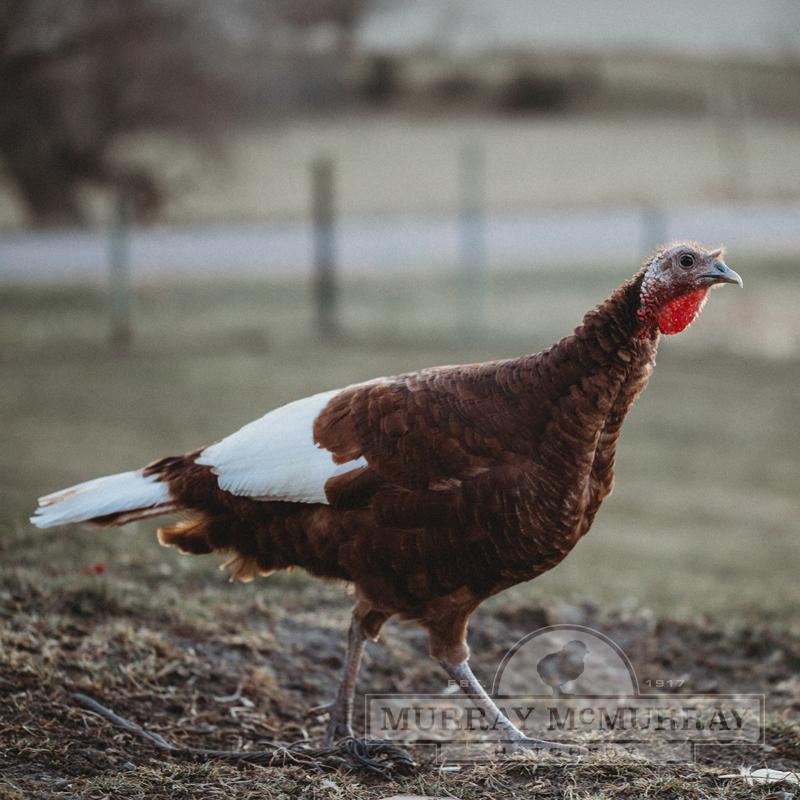
Credit: www.mcmurrayhatchery.com
Frequently Asked Questions
How To Take Care Of Baby Turkeys For Beginners?
Keep baby turkeys warm with a heat lamp for eight weeks. Provide clean, dry bedding and fresh water daily. Feed them starter turkey feed. Ensure good ventilation without drafts. Monitor health and separate sick poults promptly.
Why Are Baby Turkeys So Hard To Raise?
Baby turkeys are hard to raise because they need constant warmth, fresh bedding, and protection from respiratory diseases. They also require careful feeding and ventilation to thrive.
How Long Do Baby Turkeys Need A Heat Lamp?
Baby turkeys need a heat lamp for about 6 to 8 weeks. Keep temperatures around 95°F the first week, then reduce gradually weekly.
Do Baby Turkeys Need Special Food?
Baby turkeys need a high-protein starter feed designed for poults. Regular chick feed lacks essential nutrients for their growth.
Conclusion
Raising baby turkeys can be simple with the right care. Keep them warm and safe during their first weeks. Provide clean bedding and fresh food regularly. Watch for signs of illness and act quickly. Patience and attention help your turkeys grow strong.
Enjoy the experience of nurturing these unique birds. Soon, you will see healthy, happy turkeys around your farm. Baby Turkey 101 gives you a solid start.