

Are you thinking about adding a colorful, lively parakeet to your home? With so many species out there, choosing the right one can feel overwhelming.
That’s why we’ve put together a list of the top 25 popular parakeet species, complete with vibrant photos and simple care tips just for you. Whether you’re a first-time bird owner or looking to expand your feathered family, this guide will help you find the perfect parakeet that fits your lifestyle and personality.
Keep reading to discover which parakeet could become your next delightful companion!
Popular Parakeet Types
Parakeets come in many types, each with unique colors and traits. They make lively pets and fit well in homes of all sizes. Understanding popular parakeet types helps you choose the right bird. These species vary in care needs, size, and personality.
Here are some favorite parakeet species that pet lovers enjoy worldwide. Their charm and easy care make them top choices.
Budgerigars (budgies)
Budgerigars, or budgies, are the most common parakeet pets. They are small, colorful, and very social birds. Budgies enjoy interaction and can learn to mimic sounds. Their care is simple, needing fresh water, quality seeds, and space to fly. Budgies thrive with daily attention and toys to play with.
Cockatiels
Cockatiels have a distinctive crest on their heads. They show friendly behavior and often whistle tunes. These birds are slightly larger than budgies but still easy to manage. Cockatiels like gentle handling and enjoy being part of family activities. Proper diet and a clean cage keep them healthy.
Lovebirds
Lovebirds are small, colorful parakeets known for strong pair bonds. They form close friendships with their mates or owners. These birds are playful and need toys to stay active. Lovebirds require a balanced diet and daily social time. Their lively nature makes them fun companions.
Parrotlets
Parrotlets are tiny but bold parrots with big personalities. They are curious and enjoy exploring their environment. These birds need mental stimulation and safe spaces to climb. Parrotlets bond closely with their owners and respond well to training. Fresh food and clean water support their health.
Green-cheeked Parakeets
Green-cheeked parakeets are medium-sized with soft colors. They are gentle and less noisy than other parrots. These birds enjoy cuddling and can learn simple tricks. Green-cheeked parakeets need a varied diet and space for exercise. Regular interaction helps build trust and happiness.
Physical Features
Parakeets display a wide range of physical features that make each species unique. Their appearance varies in size, color, and markings. These traits help bird lovers identify and appreciate each type. Understanding these features also aids in providing proper care.
Size And Colors
Parakeet sizes range from small to medium, usually between 6 to 18 inches long. Colors differ greatly, including greens, blues, yellows, and whites. Some species show bright, vivid colors, while others have softer tones. These colorful feathers attract attention and brighten any space.
Distinctive Markings
Many parakeets have unique markings like stripes, spots, or patches. Some have rings around their necks or special patterns on their wings. These markings help in recognizing species and even individual birds. Markings also play a role in their natural camouflage and social signals.
Lifespan Expectations
Most parakeets live between 5 and 15 years. Some larger or well-cared-for species can live up to 20 years. Lifespan depends on diet, environment, and health care. Knowing these expectations helps owners plan long-term care and enjoy their birds fully.
Behavior Traits
Understanding the behavior traits of parakeet species helps pet owners create a happy environment. Each species shows unique habits that affect interaction and care. These traits include social habits, vocal abilities, and intelligence levels. Observing these can improve bonding and ensure proper care.
Social Habits
Parakeets are naturally social birds. They thrive in groups or pairs rather than alone. Many species enjoy interacting with their owners and other birds. Some may become shy or stressed if left isolated. Socialization helps reduce boredom and encourages healthy activity. Providing company or regular attention is important for their well-being.
Vocal Abilities
Parakeets are known for their vocal skills. Some species are excellent mimics and can learn words or sounds. Budgerigars, for example, are especially talkative and enjoy vocal play. Others may produce softer chirps or whistles. Vocalization is a form of communication and a sign of happiness. Listening to their sounds helps understand their mood.
Playfulness And Intelligence
These birds are highly playful and intelligent. They enjoy toys, puzzles, and interaction with their environment. Parakeets can learn tricks and solve simple problems. Mental stimulation keeps them active and prevents destructive behavior. Providing varied toys and challenges supports their natural curiosity and sharp minds.
Habitat Needs
Creating a proper habitat is essential for the health and happiness of parakeets. Their environment must mimic natural conditions as closely as possible. This helps them stay active and stress-free. Understanding habitat needs ensures your parakeet thrives in your care.
Cage Requirements
Choose a cage that offers ample space for flying and climbing. Minimum dimensions should allow the bird to fully stretch its wings. Bars must be spaced closely to prevent escape or injury. Include horizontal bars for climbing. Place perches at different heights to encourage movement. Keep the cage clean and well-ventilated. Use safe, non-toxic materials for cage accessories.
Environmental Enrichment
Parakeets need toys and activities to stay mentally sharp. Provide swings, ladders, and chewable toys. Rotate toys regularly to maintain interest. Natural wood and safe foraging toys stimulate natural behaviors. Interaction with owners or other birds also enriches their environment. Avoid overcrowding the cage with too many items. A balanced environment reduces boredom and destructive habits.
Temperature And Lighting
Maintain room temperature between 65°F and 80°F for comfort. Avoid drafts, direct sunlight, and sudden temperature changes. Use full-spectrum lighting to simulate natural daylight. This supports their circadian rhythm and overall health. Provide 10 to 12 hours of light daily. Ensure a dark, quiet space for night rest. Proper temperature and lighting boost activity and mood.
Diet Essentials
Proper nutrition is vital for healthy and happy parakeets. Their diet needs balance and variety to support energy, feather health, and longevity. Feeding the right foods helps prevent illnesses and keeps your bird active. Parakeets enjoy different textures and flavors, so a mix of seeds, pellets, fruits, and vegetables is best. Understanding their diet essentials makes caring for these colorful birds easier and more enjoyable.
Seed And Pellet Choices
Seeds are a favorite food but should not be the only option. A seed-only diet lacks key nutrients and can cause health problems. Offer high-quality pellets designed for parakeets. Pellets provide balanced nutrition and help maintain a healthy weight. Mix seeds with pellets to encourage variety. Avoid cheap seed mixes with many fillers. Choose fresh, clean seeds like millet and canary grass seeds.
Fresh Fruits And Vegetables
Fresh fruits and vegetables add important vitamins and minerals. Safe veggies include carrots, spinach, broccoli, and peas. Fruits like apples, pears, and berries are tasty treats. Always wash produce well and cut into small pieces. Remove any seeds or pits before feeding. Introduce new foods slowly to watch for any reactions. Fresh foods also help keep parakeets hydrated and interested in their meals.
Supplements And Treats
Calcium is essential for strong bones and egg-laying females. Provide cuttlebone or mineral blocks for natural calcium intake. Vitamin supplements may be needed if the diet lacks variety. Use treats sparingly to avoid weight gain. Healthy treats include millet sprays and small amounts of nuts. Avoid sugary or salty snacks. Treats should reward good behavior and add enjoyment, not replace meals.
Health Care Tips
Proper health care is essential for keeping parakeets happy and active. Healthy birds live longer and show their true colors. Understanding basic health care tips helps prevent many common problems. Regular attention to their well-being ensures a joyful pet experience.
Common Illnesses
Parakeets may suffer from respiratory infections, mites, and feather plucking. Psittacosis is a bacterial disease that affects their breathing. Be aware of signs like sneezing, lethargy, or loss of appetite. Early detection helps with effective treatment. Watch for changes in droppings or unusual behavior. Illness can develop quickly in small birds.
Preventive Measures
Keep the cage clean to stop germs from spreading. Provide fresh water and a balanced diet daily. Avoid drafts and sudden temperature changes in their environment. Offer toys and perches to reduce stress and boredom. Use bird-safe cleaning products and avoid strong chemicals near your pet. Quarantine new birds before introducing them to others.
Regular Vet Visits
Schedule check-ups with an avian vet at least once a year. Vets can spot hidden health issues early. Vaccinations and parasite checks protect your bird’s health. Consult a vet if you notice any odd symptoms. Regular visits build a good health record for your parakeet. Timely care keeps your feathered friend lively and strong.
Training And Socializing
Training and socializing are essential for a happy parakeet. These birds thrive on interaction and mental stimulation. Proper training builds trust and reduces stress. Socializing helps parakeets become friendly and well-adjusted pets. Consistent effort and patience lead to the best results.
Taming Techniques
Start taming with gentle, slow movements near your parakeet. Speak softly to create a calm environment. Offer treats to encourage trust. Let your bird come to you instead of forcing contact. Repeat sessions daily but keep them short. Avoid sudden actions that might scare your bird. Gradually increase handling time as your parakeet grows comfortable.
Interactive Play
Use toys to stimulate your parakeet’s mind and body. Simple items like bells or mirrors attract their attention. Teach your bird to play games like fetch or target touching. Rotate toys regularly to prevent boredom. Playtime strengthens your bond and keeps your parakeet active. Encourage vocalization by mimicking their sounds. Interactive play also helps reduce destructive behavior.
Handling And Bonding
Hold your parakeet gently and support its body fully. Avoid gripping too tightly to prevent stress. Talk softly during handling to soothe your bird. Offer treats while holding to create positive associations. Spend time near your parakeet even without touching. Let it perch on your finger or shoulder when ready. Bonding takes time but leads to a trusting relationship.
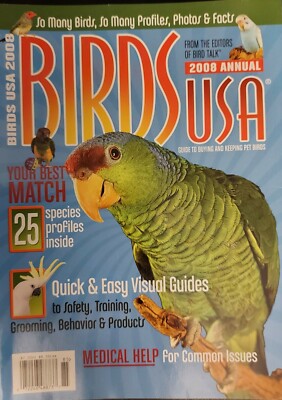
Credit: www.ebay.com
Breeding Insights
Breeding parakeets requires understanding their unique behaviors and needs. This knowledge helps create a safe, healthy environment for both parents and chicks. Parakeets show interesting patterns during mating, nesting, and chick raising.
Mating Behaviors
Parakeets display courtship through chirping and head bobbing. Males often feed females as a bonding ritual. Pair bonding strengthens before breeding begins. Watch for mutual preening and close sitting. These signs indicate readiness to mate.
Nesting Requirements
Parakeets need a quiet, dark nesting box. Boxes should be placed in low-traffic areas. Use soft, safe materials like wood shavings. Avoid cedar or pine, which can harm birds. Keep the nest clean and dry to prevent illness.
Raising Chicks
Both parents share feeding duties for the chicks. Feedings occur frequently, every few hours. Chicks stay in the nest about 4 to 5 weeks. Keep disturbances low to reduce stress on parents. Monitor chick growth and health daily for best results.
Choosing The Right Parakeet
Choosing the right parakeet matters for a happy pet experience. Different parakeet species have unique traits and care needs. Picking a bird that fits your skills and home makes a big difference.
Consider your experience with birds. Some parakeets need simple care, while others require more attention. Your living space and daily routine also influence your choice. Understanding these points helps you find a perfect feathered friend.
Best For Beginners
Budgerigars, or budgies, are ideal for first-time bird owners. They are small, friendly, and easy to care for. Budgies adapt well to new environments and learn simple tricks quickly. Their diet is simple, mainly seeds and fresh vegetables. These parakeets enjoy gentle handling and social interaction without overwhelming new owners.
Advanced Companions
Species like Indian Ringnecks and Alexandrines suit experienced bird lovers. These parakeets have strong personalities and need mental stimulation. They can learn to talk and perform complex behaviors. Their care involves more time for training and socializing. Advanced owners enjoy the challenge and reward of bonding deeply with these birds.
Space And Lifestyle Considerations
Small parakeets like budgies require less cage space and daily exercise. Larger species need roomy cages and more flight time. Your home size and noise tolerance matter too. Some parakeets are vocal, which may affect neighbors or family. Busy schedules might limit time for interaction, so choose a bird matching your lifestyle.
:strip_icc()/pacific-parrotlet--forpus-coelestis-on-green-grass--forpus-is-a-469616345-cb1cc9a56d2d44e2ac8efc4aa64d4c00.jpg)
Credit: www.thesprucepets.com
Parakeet Species Gallery
Explore the vibrant world of parakeets in our Parakeet Species Gallery. This collection showcases 25 popular parakeet species with clear photos. Each image captures their unique colors and shapes.
Understanding these birds begins with seeing them up close. The gallery helps you learn their features and differences. Knowing these details supports better care and enjoyment of your pet parakeet.
Photos Of Top 25 Species
Our gallery presents high-quality photos of each parakeet species. You can see their bright feathers and patterns. These images highlight birds like the Budgerigar, Indian Ringneck, and Alexandrine parakeet. Visuals make it easier to appreciate their beauty and diversity.
Unique Characteristics
Each parakeet species shows special traits. Some have long tail feathers, while others display vibrant wing colors. Many species have distinct calls and behaviors. Noticing these features helps you recognize and care for your bird better. Knowing their nature also enhances your bond.
Identification Tips
Spotting the right parakeet species is simple with a few tips. Look at size, feather color, and beak shape first. Tail length and eye color also help in identification. Learning these basics prevents confusion between similar species. Accurate ID supports proper care and a happy bird.

Credit: www.cntraveller.com
Frequently Asked Questions
What Is The Most Popular Parakeet?
The Budgerigar, or budgie, is the most popular parakeet. It is friendly, playful, hardy, and easy to care for.
What Is The 3-3-3 Rule For Parrots?
The 3-3-3 rule helps new parrot owners build trust. It means 3 days of quiet, 3 weeks of gentle interaction, and 3 months for full bonding. This approach reduces stress and encourages a strong, positive relationship with the parrot.
What Is A Bird 🐦?
A bird is a warm-blooded vertebrate with feathers and wings. Most birds can fly, but some cannot. They lay eggs and have beaks.
What Is The Best Parakeet To Have As A Pet?
The best parakeet for pets is the budgerigar (budgie). Budgies are friendly, playful, easy to care for, and ideal for beginners.
Conclusion
Choosing the right parakeet species enriches your pet experience. Each species has unique traits and care needs. Simple care routines keep parakeets happy and healthy. Enjoy watching their vibrant colors and playful behavior daily. With patience, they become loving companions for years.
Explore the variety, find your favorite, and start your parakeet journey today.