

Have you ever wondered what makes bluebirds keep coming back to your yard? If you want to attract these beautiful birds and enjoy their cheerful presence, knowing what they love to eat is the key.
Bluebirds have a favorite menu that keeps them happy and healthy year-round. From juicy berries to tasty insects, their diet is both interesting and simple to provide. You’ll discover the 7 favorite foods that bluebirds can’t resist. Get ready to learn how to fill your feeders and garden with the perfect treats that will have bluebirds visiting again and again!

Credit: duncraft.com
Bluebird Diet Basics
Bluebirds eat a mix of insects and fruits. Their diet changes with the seasons. In spring and summer, insects make up most of their meals. These include beetles, grasshoppers, and caterpillars. In fall and winter, they eat more fruits and berries. This helps them get energy and stay healthy in cold weather.
Understanding what bluebirds eat helps you attract them. Providing their favorite foods can keep them coming back to your yard. Feeding bluebirds supports their natural diet and helps them survive tough seasons.
Insects: The Protein Power
Insects are a major food source for bluebirds. They eat beetles, crickets, and caterpillars. These insects give bluebirds the protein and nutrients they need to grow and stay active. Bluebirds catch insects on the ground or in plants.
Fruits And Berries: Sweet Energy
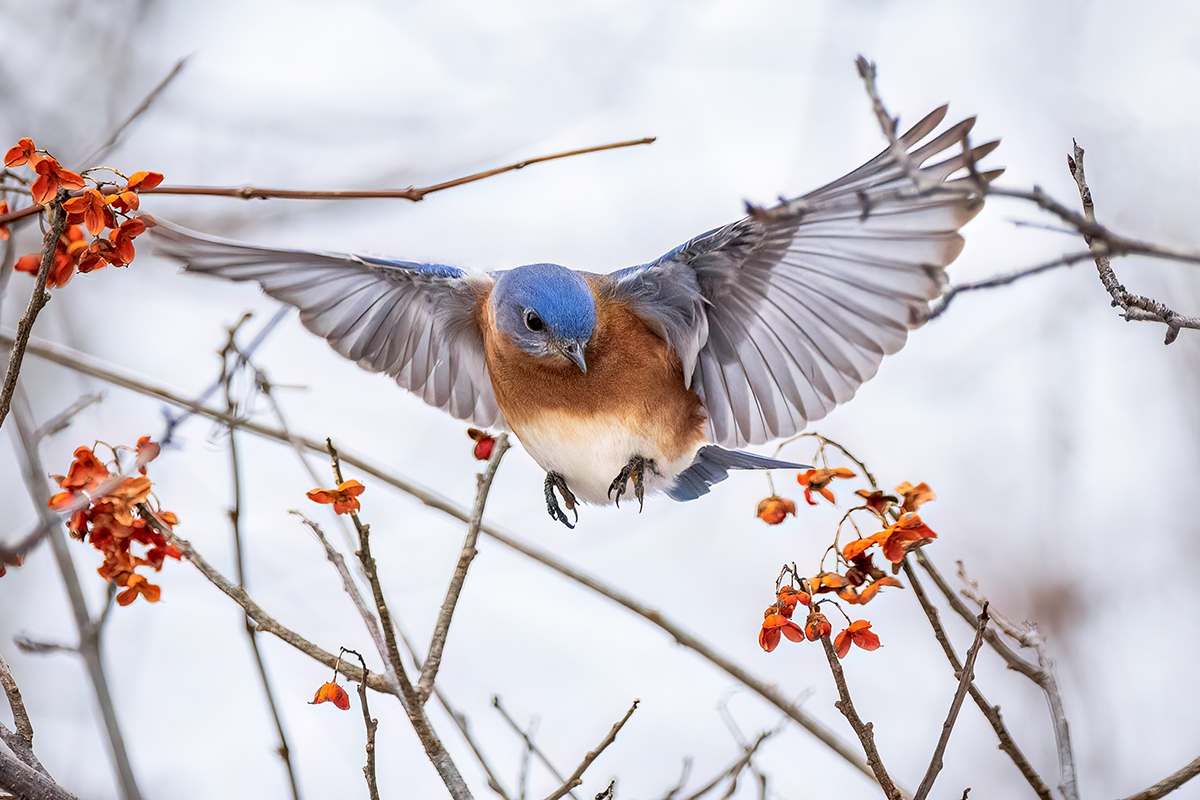
Bluebirds enjoy many types of berries and fruits. Sumac, dogwood, and holly are common favorites. They also eat wild grapes, blackberries, and raspberries. Fruits provide sugar for energy, especially in colder months.
Seasonal Changes In Diet
Bluebird diets shift with the seasons. In warm months, insects dominate their meals. When insects are scarce, fruits become more important. This balance helps bluebirds stay healthy all year.
Top Insect Choices
Bluebirds rely heavily on insects as a vital food source. These protein-rich treats fuel their energy and help them thrive. Insects form a large part of their diet, especially during breeding and nesting seasons. Understanding their top insect choices helps you attract and support these beautiful birds.
Mealworms
Mealworms are a favorite snack for bluebirds. These larvae are rich in protein and easy to digest. Many bird lovers offer live or dried mealworms at feeders. Bluebirds find mealworms irresistible and return often for this tasty treat. Offering mealworms can boost their health and energy.
Other Insects
Bluebirds also enjoy a variety of other insects. Beetles, grasshoppers, and caterpillars make excellent meals. Spiders and ants sometimes appear on their menu too. These insects provide essential nutrients and help bluebirds stay strong. Providing a natural habitat encourages these insects nearby.
Favorite Native Berries
Bluebirds enjoy many native berries that offer essential nutrients and energy. These fruits help bluebirds thrive, especially in fall and winter. Native berries provide natural food sources and attract bluebirds to your yard. Planting these shrubs and vines supports local bluebird populations and adds beauty to your garden.
Here are some favorite native berries that bluebirds love to eat. Each type offers unique benefits and flavors that keep bluebirds coming back season after season.
Sumac And Dogwood
Sumac produces clusters of red berries that attract bluebirds. These berries are rich in nutrients and often host insects bluebirds feed on. Dogwood shrubs, such as Flowering and Silky Dogwood, offer bright berries that bluebirds enjoy. These berries provide energy and hydration during colder months.
Holly And Winterberry
American Holly and Winterberry shrubs produce bright red berries. Bluebirds find these berries tasty and nutritious. These plants thrive in wet or shady areas, creating natural food spots. The berries last into winter, providing a steady food source when insects are scarce.
Hackberry And Honeysuckle
Hackberry trees produce small, dark berries favored by bluebirds. These berries are easy to eat and provide energy. Honeysuckle, including Japanese and Multiflora species, offers sweet berries. These fruits attract bluebirds and other birds, adding variety to their diet.
Wild Grapes And Virginia Creeper
Wild grapes produce clusters of small, juicy berries. Bluebirds enjoy these fruits for their taste and nutrition. Virginia Creeper vines also offer dark berries that bluebirds feed on. These plants grow well in many environments and attract a range of wildlife.
Juniper And Blackberries
Juniper bushes produce blue-green berries that last through winter. Bluebirds eat these berries when other foods are scarce. Blackberries offer sweet, dark fruits rich in vitamins. These berries are popular with bluebirds and support them during migration and cold months.
Credit: www.kaytee.com
Fruits To Offer At Feeders
Offering fruits at your bird feeders attracts bluebirds and supports their diet. Fruits provide essential vitamins and energy, especially during colder months. Bluebirds enjoy a variety of fruits, from dried to fresh, making your feeder a favorite spot. Choosing the right types and preparation helps keep them coming back to your yard.
Softened Dried Fruits
Softened dried fruits attract bluebirds easily. Soak raisins, currants, or dried cranberries in water overnight. This makes them juicy and easier to eat. Place these fruits on platform feeders or shallow dishes. Bluebirds enjoy the sweetness and softness that mimic natural berries.
Fresh Fruit Pieces
Fresh fruit pieces appeal to bluebirds for their natural taste and moisture. Cut apples, pears, or berries into small chunks. Avoid citrus fruits, as bluebirds do not favor them. Offer fruits on open trays or feeders with a flat surface. Fresh fruit helps provide hydration and nutrition during dry seasons.
Bluebird Nuggets And Suet Blends
Bluebird nuggets combine fruits with seeds and insects. These pellets offer balanced nutrition for bluebirds. Suet blends with fruit bits also attract bluebirds, especially in winter. Hang suet cages near trees or sheltered spots. These blends provide energy and variety, encouraging bluebirds to visit often.
Seasonal Feeding Tips
Bluebirds change their eating habits with the seasons. Offering the right foods at the right time helps them stay healthy year-round. Seasonal feeding also attracts bluebirds to your yard consistently. Understanding their needs in fall, winter, spring, and summer improves your chances of seeing these beautiful birds often.
Fall And Winter Feeding
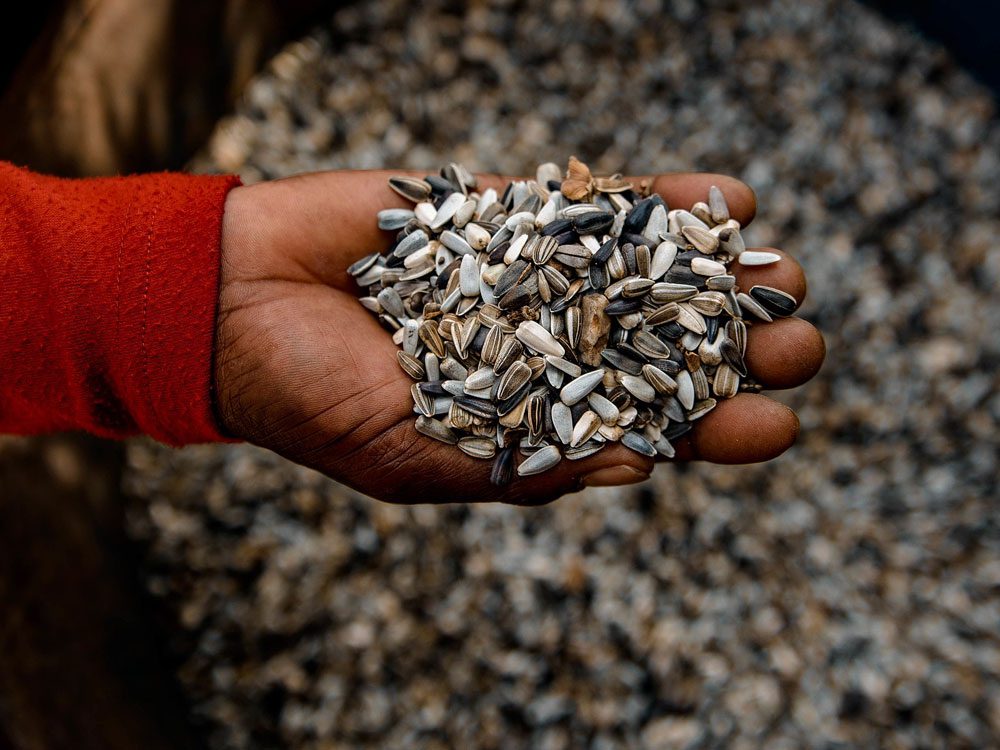
In fall and winter, insects become scarce. Bluebirds rely more on fruits and seeds during colder months. Provide dried fruits like raisins and chopped apples. Offer berries such as holly, dogwood, and sumac. Mealworms remain a favorite, especially in winter. Suet or sunflower hearts offer extra energy. Keep feeders clean and stocked to help them survive cold weather.
Spring And Summer Diet Changes
Spring and summer bring plenty of insects for bluebirds. They eat caterpillars, beetles, grasshoppers, and spiders. These protein-rich foods help birds build strength for nesting. Soft fruits and berries still serve as a treat. Mealworms continue to be popular and nutritious. Offer fresh water nearby for drinking and bathing. Adjust your feeding to support their natural diet shifts.
Creating Bluebird-friendly Habitats
Creating bluebird-friendly habitats invites these beautiful birds to visit often. A welcoming environment provides food, shelter, and safety. This encourages bluebirds to stay and raise their young nearby. Simple actions in your garden can make a big difference. Two key steps are planting native berry bushes and setting up feeders correctly. Both help supply natural food sources and attract bluebirds all year.
Planting Native Berry Bushes
Native berry bushes offer bluebirds natural food that supports their health. These plants produce berries rich in nutrients, especially in fall and winter. Bluebirds eat berries from sumac, dogwood, and holly bushes. They also enjoy berries from hackberry and honeysuckle. Planting these bushes creates a natural food supply near your home. It also adds beauty and shelter for birds and other wildlife. Choose native varieties suited to your local climate for best results.
Setting Up Feeders Correctly
Proper feeder setup helps bluebirds find and use the food you provide. Use feeders designed for bluebirds with perches and open trays. Place feeders in quiet, open areas to reduce predator risks. Clean feeders regularly to keep birds healthy and prevent disease. Offer mealworms, sunflower seeds, and chopped fruits in feeders. Avoid crowded spots where aggressive birds might dominate. Consistent food availability encourages bluebirds to visit and linger.
Signs Bluebirds Are Coming Back
Bluebirds are a joy to spot in any backyard. Their return signals the change of seasons and the promise of nature’s beauty. Noticing signs that bluebirds are coming back helps prepare your yard for their arrival. These signs are simple and easy to recognize.
Watching for these signs can increase your chance to enjoy these birds often. Bluebirds have habits and behaviors that hint at their return. Recognizing these clues lets you welcome them with the right food and shelter.
Increased Bird Activity Near Nesting Boxes
Bluebirds often inspect nesting boxes before settling in. You may see them fluttering around these boxes. They check for safety and space for their eggs. This behavior shows they plan to stay soon.
Frequent Visits To Feeding Areas
Bluebirds begin visiting feeders more often as spring nears. They look for easy food sources after migration. Mealworms and berries attract them quickly. More visits mean bluebirds are ready to stay.
Bluebirds Singing And Calling More
Male bluebirds sing loudly to claim territory. Hearing their songs means they are nearby. This vocal activity increases during breeding season. It’s a strong sign they are returning to the area.
Appearance Of Bluebird Pairs
Bluebirds often return in pairs or small groups. Spotting pairs indicates nesting will begin soon. These pairs work together to find food and build nests. Their presence signals the start of a new season.
Increased Insect Activity
Bluebirds eat insects like beetles and caterpillars. More insects around your yard attract bluebirds. Watching for insect activity helps predict bluebird visits. A healthy insect supply is a good sign.
Credit: www.allaboutbirds.org
Frequently Asked Questions
What’s The Best Food To Attract Bluebirds?
Mealworms attract bluebirds best, available year-round. Also offer suet, sunflower hearts, softened fruits, and cornmeal muffins. Native berries like dogwood and sumac help too.
What Does It Mean When Bluebirds Hang Around Your House?
Bluebirds hanging around your house symbolize happiness and positive changes ahead. They also indicate nearby food and nesting sites.
What Time Of Year Should I Put Out Bluebird Feeders?
Put out bluebird feeders from late fall through winter (November to February) when insects are scarce. This attracts bluebirds to your yard.
What Fruit Do Bluebirds Eat?
Bluebirds eat small fruits like sumac, holly, dogwood, hackberry, honeysuckle, wild grapes, juniper, blackberries, raisins, blueberries, apples, and pears. They rely on these fruits mainly in fall and winter when insects are scarce. Offering native berries and soft fruits attracts them year-round.
Conclusion
Bluebirds enjoy a variety of foods, from insects to fruits. Offering mealworms, berries, and soft fruits attracts them easily. These foods provide energy and nutrition throughout the year. Planting native berry bushes helps support their natural diet. Feeding bluebirds encourages their return to your yard often.
Keep their favorite foods handy to watch them thrive. Enjoy the beauty and joy bluebirds bring to your outdoor space.