

Have you ever wondered what ducks really eat? If you feed ducks at your local park or care for backyard ducks, knowing the right foods is essential to keep them healthy and happy.
You might think tossing bread is harmless, but it can actually cause serious health problems for ducks. So, what should you offer instead? You’ll discover the best natural foods that ducks love, the treats that give them a nutritional boost, and the common foods you should avoid at all costs.
By the end, you’ll feel confident about providing the perfect diet that supports your feathered friends’ wellbeing. Keep reading to learn everything you need to know about feeding ducks the right way!
Credit: www.ducks.ca
Duck Diet Basics
Ducks need a balanced diet to stay healthy and active. Their diet includes a variety of natural foods found in their environment. Providing the right food helps ducks grow strong and maintain good health. Understanding what ducks eat is key for anyone caring for them.
Natural Foods Ducks Prefer
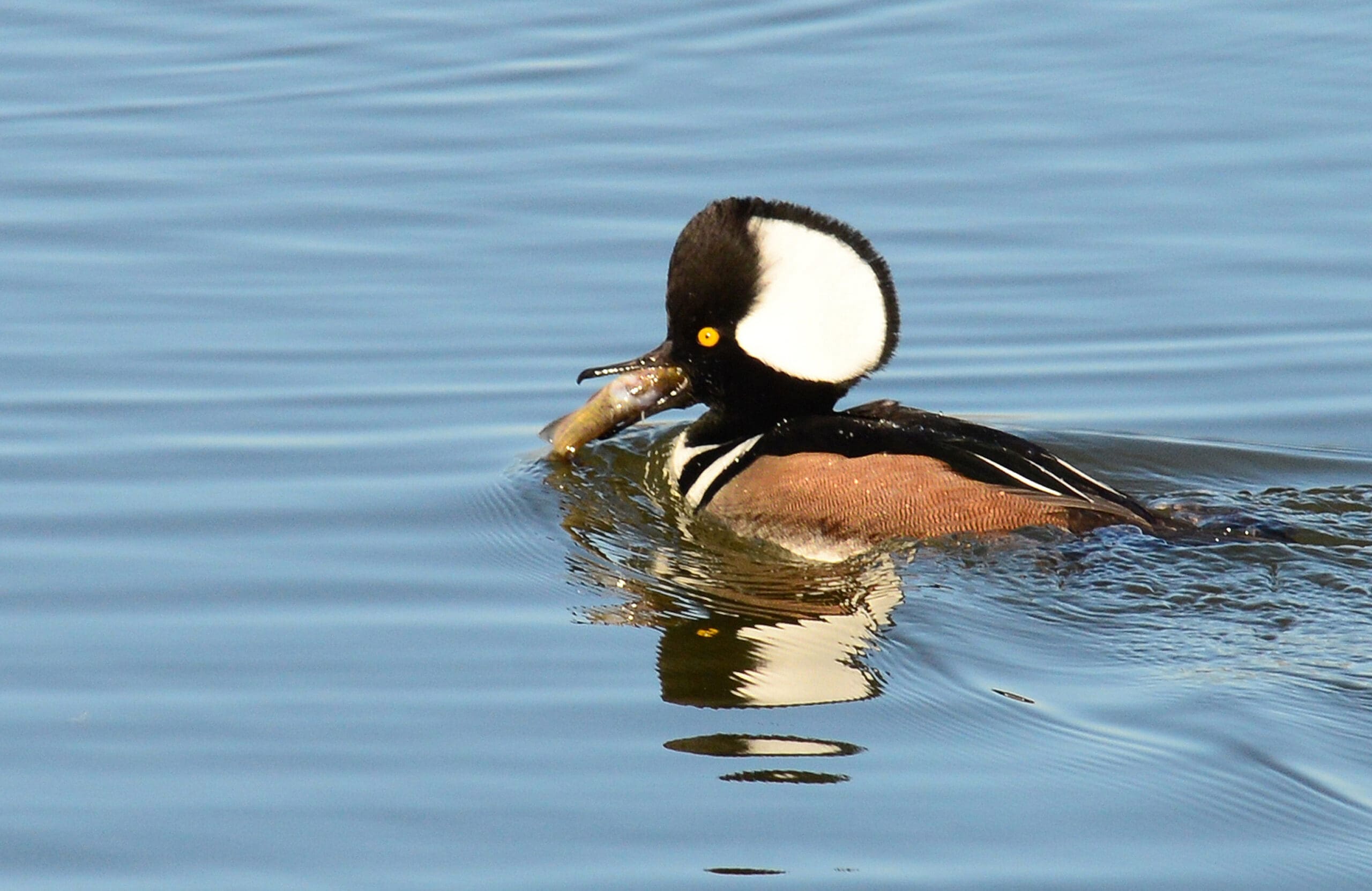
Ducks enjoy eating plants, insects, and small aquatic animals. They often eat water plants, grasses, seeds, and algae. Insects like beetles, flies, and worms provide essential protein. Small fish and snails are also part of their diet. Wild ducks forage for these foods in ponds, lakes, and rivers.
Importance Of Fresh Water
Fresh water is vital for ducks. They need water to swallow and digest their food properly. Water also helps ducks clean their bills and feathers. Without clean water, ducks can become dehydrated and sick. Always ensure ducks have access to fresh, clean water daily.
Role Of Grit In Digestion
Ducks cannot chew their food like humans. They use grit to grind food in their gizzards. Grit consists of small stones or sand particles. This helps break down tough foods like seeds and grains. Providing grit is important, especially for ducks that do not forage naturally.
Grains And Seeds For Ducks
Ducks enjoy a variety of grains and seeds as part of their diet. These foods provide essential nutrients and energy. Offering grains and seeds helps keep ducks healthy and active.
Grains and seeds are easy for ducks to eat and digest. They can be given as a main food or as a treat. Many types of grains and seeds work well for ducks, making feeding simple and flexible.
Popular Grain Choices
Cracked corn is a favorite grain for ducks. It is easy to chew and full of energy. Oats are another good option, providing fiber and nutrients. Barley offers vitamins and minerals that support duck health.
Millet is small and easy for ducks to eat. It also attracts wild ducks in the area. Rice, either cooked or uncooked, can be fed in moderation. These grains give ducks variety and balance in their meals.
Using Birdseed Safely
Birdseed mixes are popular for feeding ducks. Choose mixes without added salt or sugar. Avoid seeds with shells that are hard to digest. Offer birdseed in small amounts to prevent waste.
Always provide fresh water alongside birdseed. Ducks need water to help swallow and digest grains. Clean feeding areas often to avoid mold and bacteria. Safe feeding helps keep ducks healthy and happy.
Vegetables And Fruits
Ducks enjoy a variety of vegetables and fruits as part of their diet. These natural foods provide essential vitamins and minerals that support their health. Vegetables and fruits add flavor and texture to their meals, keeping ducks interested and well-nourished.
Safe Leafy Greens
Leafy greens are a great choice for ducks. Lettuce, spinach, and kale are safe options they can eat daily. Avoid iceberg lettuce because it has little nutritional value. Ducks like fresh, chopped greens that are easy to eat. These greens help with digestion and provide important nutrients.
Suitable Fruits In Moderation
Ducks enjoy fruits but only in small amounts. Seedless grapes, melon, and berries are good options. Apples are fine if seeds are removed. Too much fruit can upset their stomachs because of sugar. Offer fruits as occasional treats, not main meals. This keeps their diet balanced and healthy.
Preparing Produce For Ducks
Always wash vegetables and fruits before feeding ducks. Remove any seeds or pits that can be harmful. Chop large pieces into small, bite-sized pieces to prevent choking. Fresh produce should be free from pesticides and chemicals. Proper preparation ensures ducks eat safely and enjoy their food.

Credit: backyardpoultry.iamcountryside.com
Protein Sources
Ducks need protein for strong muscles and healthy feathers. Protein helps with growth and repair of their bodies. Wild ducks find protein in many natural sources. Backyard ducks benefit from added protein in their diet. Providing a variety of protein keeps ducks active and healthy.
Mealworms And Insects
Mealworms are a favorite protein treat for ducks. They are easy to digest and full of nutrients. Ducks also eat insects like beetles, flies, and ants. These bugs provide essential proteins and fats. Offering live or dried mealworms mimics their natural diet well. Insects help ducks stay energetic and alert.
Eggs And Small Fish
Ducks eat eggs from other birds or their own species. Eggs supply a rich source of protein and vitamins. Small fish, such as minnows, are another natural protein choice. Fish give ducks important omega-3 fatty acids. Both eggs and fish support good growth and feather health. Including these foods boosts the protein variety in duck diets.
Specialty Duck Foods
Specialty duck foods provide balanced nutrition tailored for ducks. They support growth, health, and energy needs. These foods are designed to meet ducks’ unique dietary requirements. They offer essential vitamins, minerals, and proteins that wild foods might lack. Feeding specialty foods helps maintain strong feathers and good digestion.
Duck Pellets
Duck pellets are a popular specialty food option. They contain a mix of grains, proteins, and vitamins. Pellets ensure ducks get balanced nutrition every day. They are easy to store and serve. Ducks enjoy their taste and texture, making feeding simple. Pellets help prevent nutritional deficiencies common in wild diets.
Grower’s Mash And Chick Starter
Grower’s mash is made for young ducks growing quickly. It provides extra protein to support muscle and feather development. Chick starter works well for ducklings just hatched. It has a fine texture that is easy to eat. Both types of feed support healthy growth stages. Offering these foods helps young ducks thrive and stay strong.
Foods To Avoid
Ducks need healthy foods to stay strong and happy. Some foods can harm ducks. Avoid feeding them harmful items to keep them safe. Knowing what not to feed ducks is very important for their health.
Feeding ducks the wrong foods can cause serious health problems. It can also hurt their growth and natural behavior. Here are some foods you should never give to ducks.
Why Bread Is Harmful
Bread is often fed to ducks, but it is bad for them. Bread has little nutrition and fills their stomachs. This stops ducks from eating healthy food. Eating too much bread can cause a disease called Angel Wing. Angel Wing affects their wings and flight. Mold can also grow on bread, making ducks sick.
Toxic Human Foods
Many human foods are toxic to ducks. Avoid giving them sugary or salty snacks like chips or candy. Foods with chocolate, caffeine, or onions are dangerous. These can harm their digestion and organs. Always stick to natural duck food and avoid processed human meals.
Risks Of Moldy And Junk Food
Moldy food can cause serious illness in ducks. Spoiled fruits or vegetables carry harmful bacteria. Junk food like popcorn, crackers, or cereal lacks nutrients. It can upset their stomach and reduce their energy. Always offer fresh and clean food to keep ducks healthy.
Feeding Tips
Feeding ducks properly helps keep them healthy and happy. Knowing how to prepare their food makes a big difference. Simple steps make feeding easier and safer for ducks.
Chopping And Preparing Food
Cut larger foods into small pieces. Grapes, corn, and leafy greens are easier to eat when chopped. Small pieces prevent choking and help ducks digest better. Wash vegetables and fruits before serving. Avoid iceberg lettuce; it has little nutrition.
Thawing Frozen Items
Thaw frozen peas, corn, or mealworms before feeding. Cold food can upset ducks’ stomachs. Use room temperature water or leave them out for a while. Never feed frozen food directly to ducks. Soft, thawed food is easier to eat and digest.
Feeding Locations And Methods
Feed ducks near water, like ponds or lakes. Ducks feel safer close to water. Scatter food in small amounts to avoid waste. Avoid feeding ducks on busy sidewalks or roads. Hand feeding works well with tame ducks but keep your hands flat. Use shallow dishes for backyard ducks to keep food clean.
:max_bytes(150000):strip_icc()/what-to-feed-ducks-5101525-ADD-COLOR-V2-c455eba51f404ea58d06c88519da698d.png)
Credit: www.treehugger.com
Feeding Wild Vs. Backyard Ducks
Feeding wild ducks and backyard ducks involves different approaches. Wild ducks forage naturally and eat what is available in their environment. Backyard ducks rely on humans for their meals and need a balanced diet provided by their caretakers. Understanding these differences helps keep ducks healthy and happy.
Differences In Diet Needs
Wild ducks eat a mix of plants, insects, and small fish. They find food in ponds, rivers, and fields. Their diet changes with the seasons and what is available. Backyard ducks need more controlled meals. They eat grains, vegetables, and special pellets. These provide all nutrients for growth and health.
Wild ducks get grit and minerals from natural sources. Backyard ducks need grit added to their diet to help digest food. Water quality is important for both types but more carefully managed for backyard ducks. Proper feeding avoids health issues like obesity or malnutrition.
Best Practices For Each
Feed wild ducks only natural, safe foods. Offer cracked corn, peas, oats, or chopped greens in small amounts. Avoid bread or processed snacks that harm ducks. Feed at the same spot and time to avoid disturbing their natural habits.
For backyard ducks, use commercial duck pellets and fresh vegetables daily. Provide clean water and grit at all times. Avoid overfeeding treats and never give bread or junk food. Keep feeding areas clean to prevent disease. Regularly check ducks’ health and adjust diets as needed.
Frequently Asked Questions
What Is The Best Thing To Feed Ducks?
Feed ducks healthy foods like cracked corn, peas, oats, chopped leafy greens, birdseed, and small fruit pieces. Avoid bread and junk food. Provide fresh water and grit to aid digestion. Specialized duck pellets suit backyard ducks well.
Is There Anything Ducks Can’t Eat?
Ducks cannot eat bread, junk food, moldy items, sugary or salty human foods. These harm their health.
Is Bread Ok To Feed Ducks?
Feeding bread to ducks harms their health and causes malnutrition. Offer natural foods like peas, corn, oats, and leafy greens instead.
Do Ducks Have A Favorite Food?
Ducks prefer natural foods like cracked corn, peas, oats, leafy greens, and birdseed. They enjoy small fruits and mealworms too. Avoid feeding bread or junk food, as these harm their health. Always provide fresh water and grit to aid digestion.
Conclusion
Ducks enjoy a varied diet with grains, vegetables, and fruits. Avoid feeding them bread and junk food that harm their health. Always provide fresh water and small stones to aid digestion. Feeding ducks healthy foods supports their growth and energy.
Remember, simple, natural choices keep ducks happy and strong.