

If you’ve ever watched geese waddling around a pond or grazing in a park, you might have wondered, “What do geese actually eat?” Understanding their diet is more than just satisfying curiosity—it helps you care for them properly or appreciate their role in nature. Geese aren’t picky eaters, but they have clear favorites that keep them healthy and active.
Whether you’re feeding domestic geese or observing wild ones, knowing what foods are good for them—and which to avoid—can make all the difference. Ready to discover what fuels these fascinating birds every day? Let’s dive into everything you need to know about what geese eat.

Credit: www.fresheggsdaily.blog
Primary Diet
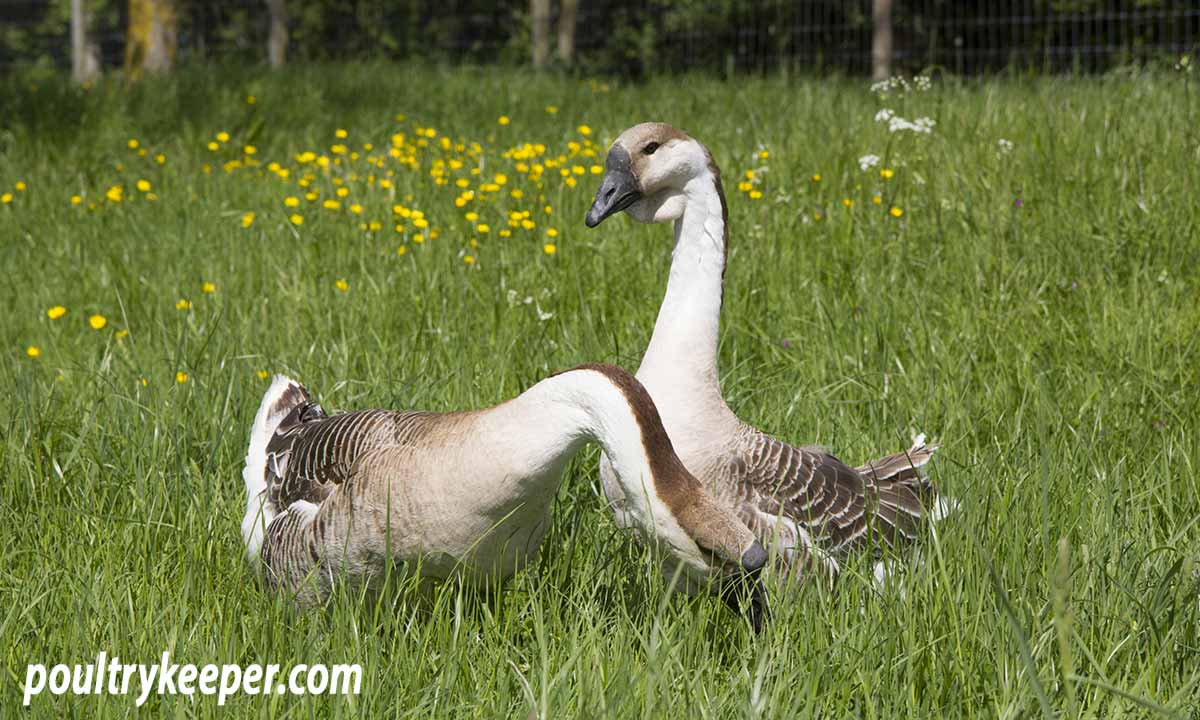
Geese mainly eat plants. Their primary diet consists of various types of green vegetation. These foods provide essential nutrients and energy. They prefer fresh and tender greens. Geese spend much time grazing in fields and near water.
Grasses
Grasses are the main food for geese. They eat ryegrass, bluegrass, and fescue most often. These grasses are soft and easy to digest. Grasses give geese fiber and important nutrients. Grazing on grass helps keep geese healthy and strong.
Clover And Dandelions
Clover and dandelions add vitamins to a goose’s diet. These plants are rich in nutrients. Geese enjoy eating clover leaves and flower heads. Dandelions provide extra minerals that support their growth. Both plants grow widely in meadows and fields.
Aquatic Plants
Geese also feed on plants found in water. Duckweed, cattails, and eelgrass are popular choices. These aquatic plants supply moisture and extra nutrition. Geese often forage in ponds and lakes to find these foods. Aquatic plants help balance their diet with variety.
Other Greens
Other leafy greens are important, especially for domestic geese. Alfalfa, lettuce, spinach, and broccoli are common choices. These greens are rich in vitamins and minerals. They keep geese energetic and healthy. Geese enjoy fresh, tender leaves from these plants.
Credit: poultrykeeper.com
Supplements And Treats
Geese mainly feed on grasses and plants, but supplements and treats add variety. These extras provide extra nutrients and keep geese healthy. Feeding treats can also strengthen your bond with them. Choose safe foods that fit their diet well.
Grains
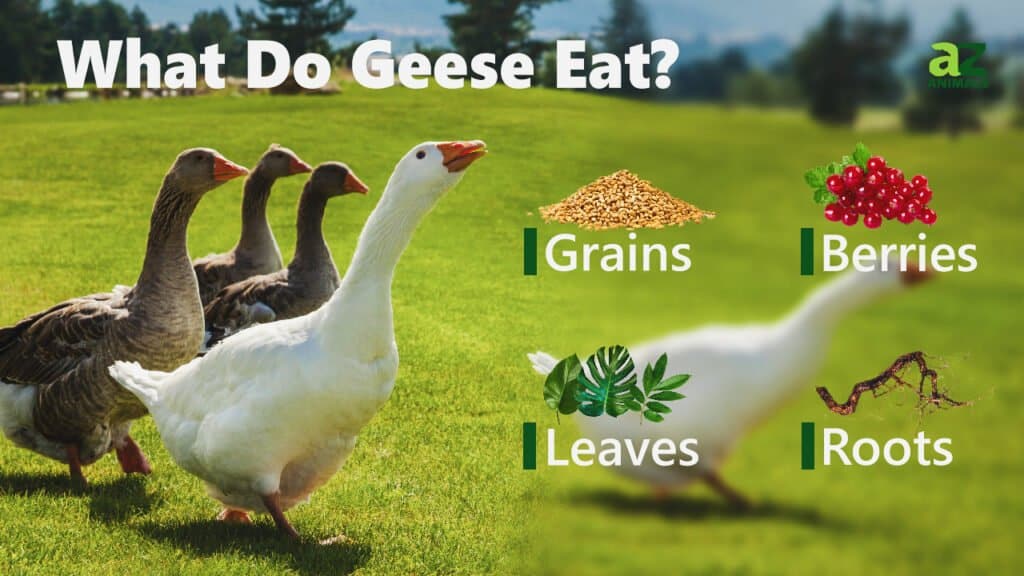
Grains are a common treat for geese. Corn, oats, wheat, and sorghum work well. Offer cracked or whole grains in small amounts. These grains give energy and help with digestion. Avoid too many grains to prevent weight gain.
Seeds
Seeds offer good fats and nutrients for geese. Sunflower seeds are popular but should be given in moderation. Too many seeds can cause health issues. Mix seeds with other treats for balanced nutrition.
Vegetables
Vegetables make tasty and healthy treats. Carrots, peas, and cucumbers are favorites. They provide vitamins and hydration. Chop vegetables into small pieces for easy eating. Avoid onions or anything spicy.
Berries
Berries add natural sweetness and antioxidants. Blueberries and blackberries are safe options. Feed berries occasionally to avoid sugar overload. Fresh or frozen berries both work fine. They make a delightful treat for geese.
Occasional Extras
Geese mainly eat plants and grains, but sometimes they enjoy other foods. These occasional extras help them get extra nutrients. They do not eat these every day but include them when available. Such variety supports their health and energy.
Insects
Geese sometimes eat insects like grasshoppers and earthworms. These insects provide proteins that plants lack. Young geese especially benefit from eating insects. Insects are found in wet or grassy areas where geese feed. Eating insects helps geese during breeding and growth periods.
Small Fish And Crustaceans
Occasionally, geese catch small fish or crustaceans. These aquatic animals supply important minerals and nutrients. Geese find them in ponds, lakes, or shallow streams. They use their bills to catch these small creatures. This food source adds variety and nutrition to their diet.
Feeding Domestic Geese
Feeding domestic geese needs care and balance. Their diet should match natural habits. They mostly eat plants but enjoy a variety of foods. A healthy diet helps them grow strong and stay active.
Providing the right food keeps geese happy and healthy. It also improves their egg production. Understanding their food preferences is key to good care.
Fermented Feed
Fermented feed is easy to digest for geese. It improves gut health and nutrient absorption. You can ferment grains like corn or wheat. Mix the grains with water and let them sit for a few days.
This feed boosts energy and helps keep geese healthy. It also reduces waste and smells less in the coop.
Mix Of Grains And Vegetables
Geese enjoy a mix of grains and fresh vegetables. Grains such as oats, corn, and wheat provide good energy. Vegetables like peas, carrots, and cucumbers add vitamins and minerals.
Feeding a variety of grains and veggies keeps their diet balanced. It prevents boredom and supports their health.
Grass As Staple
Grass is the main food for domestic geese. They love fresh, green grass and will graze all day. Ryegrass, clover, and dandelions are favorites. Grass provides fiber and essential nutrients.
Allow geese to graze freely if possible. It helps their digestion and keeps them active.
Foods To Avoid
Geese have sensitive digestive systems. Some foods harm them or cause illness. Knowing what to avoid protects their health. Avoid feeding harmful items to keep geese safe and strong.
Junk Food
Geese should never eat junk food. Chips, candy, and bread offer no nutrition. These foods can cause obesity and poor health. Junk food also disrupts their natural diet balance.
Toxic Items
Certain plants and human foods are toxic to geese. Avoid onions, garlic, and chocolate. These items can cause poisoning and even death. Also stay away from processed foods with chemicals.
Risks Of Unhealthy Foods
Unhealthy foods cause digestive problems in geese. They may develop bloating, diarrhea, or infections. Poor diet weakens their immune system. This leads to vulnerability to diseases and shorter lifespan.
Feeding Tips
Feeding geese the right way keeps them healthy and happy. It also helps protect your lawn and garden from damage. Understanding how much and what to feed is very important. Follow these simple tips to care for your geese properly.
Good feeding habits support their natural diet and prevent health problems. Avoid overfeeding or giving harmful foods. Keep their meals balanced and safe for best results.
Portion Control
Feed geese small amounts several times a day. Too much food can cause obesity and illness. A good rule is to offer about 1/4 to 1/2 cup of grains per goose daily. Fresh greens should be available all day. Watch their eating habits and adjust portions as needed.
Healthy Feeding Practices
Provide fresh water with every meal. Clean their feeding area regularly to avoid bacteria. Choose natural foods like grass, vegetables, and grains. Avoid bread and junk food. These can cause malnutrition and harm their digestive system. Always offer variety to meet their nutritional needs.
Safe Treat Options
Geese enjoy carrots, peas, and cucumbers as treats. Blueberries and blackberries are good too. Offer treats in small amounts to avoid unbalanced diets. Avoid salty, sugary, or processed snacks. Insects like grasshoppers can be a natural protein source. Keep treats fresh and clean for their safety.
Credit: a-z-animals.com
Frequently Asked Questions
What Is A Goose’s Favorite Food?
A goose’s favorite food is fresh green grass. They also enjoy grains, seeds, berries, aquatic plants, and occasional insects.
What Not To Feed Geese?
Avoid feeding geese bread, processed foods, junk food, salty snacks, dairy, and sugary treats. These harm their health and digestion.
Can I Feed Geese Bread?
Avoid feeding geese bread. It lacks nutrition and can harm their health and environment. Offer grains, greens, or vegetables instead.
What Kind Of Food To Feed Geese?
Feed geese fresh green grass, clover, aquatic plants, grains like corn and oats, seeds, berries, and occasional insects. Provide fresh vegetables like peas and carrots for treats. Avoid processed or salty foods.
Conclusion
Geese mostly eat grass and other green plants every day. They enjoy grains like corn, oats, and wheat too. Sometimes, they eat seeds, berries, and even insects for extra nutrition. Their diet helps them stay healthy and strong. Feeding geese a variety of fresh foods suits their natural habits well.
Remember, fresh grass remains their favorite food above all. Watching geese eat shows how they adapt to different environments. Feeding them the right foods supports their well-being and happiness.