

Have you ever watched a heron standing perfectly still by the water’s edge and wondered, “What does this graceful bird actually eat?” You’re not alone. Herons are fascinating hunters with a surprisingly varied diet.
Whether you’re curious about their favorite meals or how they catch their prey, understanding what herons eat reveals a lot about their role in nature. You’ll discover the surprising variety in a heron’s diet—from slippery fish to small birds and even rodents.
Keep reading, and you’ll see just how resourceful and patient these birds really are when it comes to feeding themselves.
Heron Diet Basics
Herons have a simple yet effective diet. Their eating habits suit their wetland homes. These tall birds hunt in shallow waters and along shorelines. Understanding what they eat helps us appreciate their role in the ecosystem.
Primary Food Sources
Fish form the main part of a heron’s diet. They catch small to medium-sized fish with sharp, quick strikes. Frogs and other amphibians also make frequent meals. Insects such as dragonflies and beetles are caught near water surfaces. Sometimes, herons eat small reptiles like turtles and snakes.
Varied Diet Components
Herons do not stick to one type of food. They eat rodents like mice and voles when available. Small birds and chicks can become prey, especially for larger herons. Their diet includes crustaceans such as crabs and shrimp. This variety helps herons survive in different environments and seasons.
Fish And Aquatic Prey
Herons mainly feed on fish and other water creatures. These birds live near rivers, lakes, and marshes where fish are plenty. Their diet helps keep aquatic ecosystems balanced. Fish provide essential nutrients and energy for herons. Along with fish, herons eat amphibians, crustaceans, and insects found in water. Their feeding habits show how well adapted they are to watery habitats.
Common Fish Species Eaten
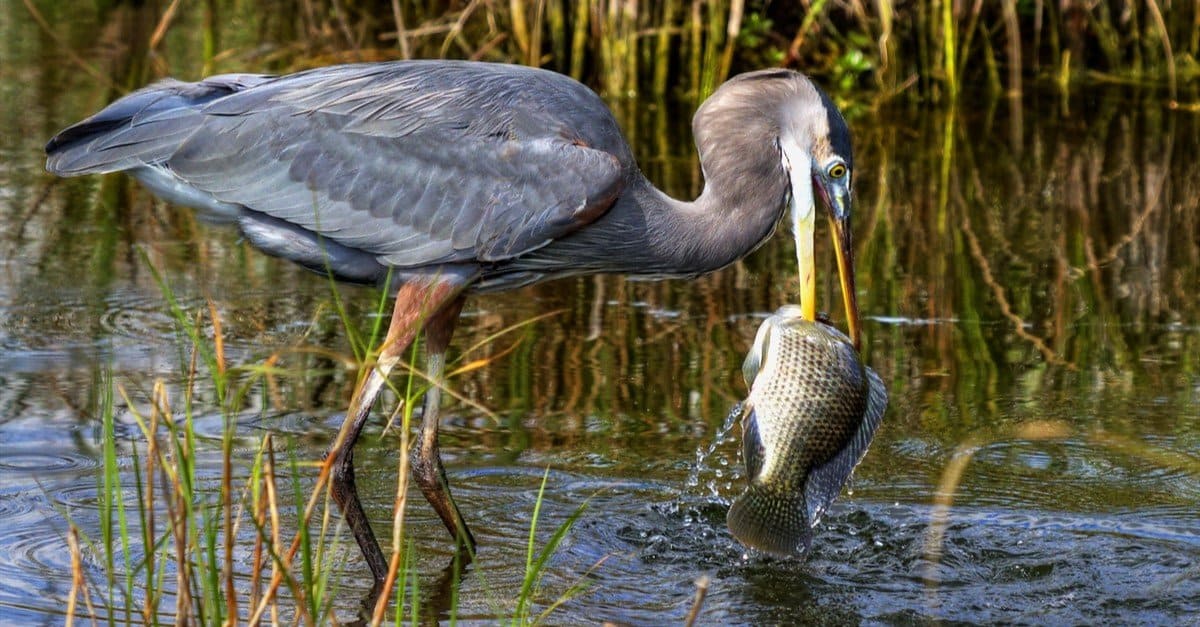
Herons eat many kinds of fish. Small fish like minnows and sunfish are common prey. They also catch larger fish such as perch and bass. In coastal areas, herons may eat saltwater fish like mullet and flounder. The choice depends on the local water bodies. Fish with slower movements or those near the water surface are easier to catch. This variety keeps their diet rich and balanced.
Hunting Techniques In Water
Herons use sharp eyesight to spot prey underwater. They stand still or move slowly in shallow water. Then they strike quickly with their long, pointed bills. Some herons use a “stand and wait” approach, staying still for minutes. Others slowly stalk fish by walking through water quietly. They may also use their wings to create shade and attract fish. These hunting techniques make herons efficient fish hunters.
Amphibians And Reptiles
Herons have a varied diet that includes many types of animals. Amphibians and reptiles are common prey in their hunting areas. These creatures live near water, making them easy targets for herons. Herons use their sharp beaks to catch and eat these animals quickly.
Frogs And Salamanders
Frogs are a favorite meal for many herons. They catch frogs near ponds, lakes, and marshes. Frogs are easy to spot because they often sit on the water’s edge. Salamanders also appear in herons’ diets. These slow-moving amphibians offer a good source of protein. Herons watch carefully and strike fast to grab these slippery animals.
Snakes And Lizards
Herons hunt small snakes and lizards in wetland areas. These reptiles hide in grass or near water surfaces. Herons use patience and sharp eyesight to find them. Snakes and lizards provide essential nutrients and energy. Even though some reptiles can be quick, herons are skilled at catching them.
Small Mammals And Rodents
Herons are skilled hunters that eat a wide variety of animals. Small mammals and rodents form an important part of their diet. These birds can catch and eat creatures that live near water or on land. Small mammals provide a good source of protein and energy for herons.
Types Of Mammals
Herons eat many kinds of small mammals. Mice, voles, and shrews are common prey. They may also catch young rabbits and squirrels. These animals usually live in fields, marshes, or near rivers. Herons take advantage of their sharp eyesight to find these hidden mammals.
Hunting Strategies On Land
On land, herons use patience and stealth. They stand very still or move slowly to avoid startling prey. Sometimes, herons walk quietly through grass or bushes. When a small mammal appears, the heron strikes quickly with its sharp bill. This method helps them catch animals that hide in dense plants or burrows.
Insects And Crustaceans
Herons are skilled hunters with diverse diets. Their meals often include insects and crustaceans, vital for energy and nutrition. These small creatures provide essential proteins and fats, helping herons thrive in wetlands and coastal areas.
Hunting insects and crustaceans demands patience and sharp eyesight. Herons stand still or move slowly to catch these quick prey. Their long, pointed beaks make grabbing insects or crustaceans easy and efficient.
Popular Insect Prey
Herons eat various insects near water. Dragonflies are common targets because they fly low over ponds. Grasshoppers and crickets also appear in their diet, especially in grassy wetland edges.
Water beetles and aquatic larvae attract herons too. These insects live in shallow water, perfect for herons to catch. Mosquito larvae are easy snacks for herons in marshy areas. This insect variety keeps their diet balanced and nutritious.
Crustaceans In Diet
Crustaceans form an important part of herons’ meals. Crabs are a favorite, especially in coastal regions. Herons skillfully grab crabs from shallow waters or mudflats.
Shrimp also provide valuable nutrients. These small crustaceans are abundant in many wetland habitats. Herons hunt shrimp by wading slowly through water, ready to strike at any moment.
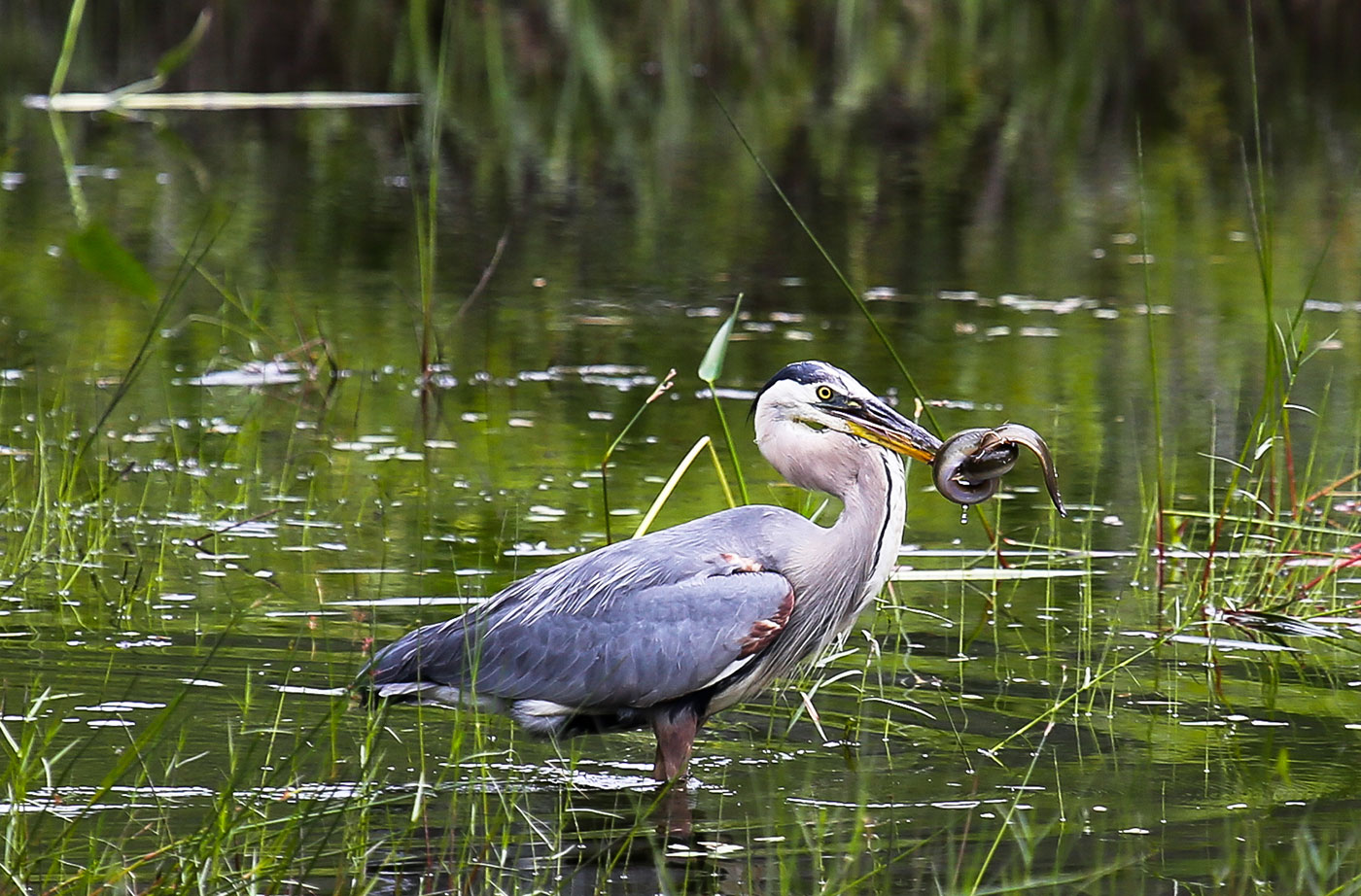
Other crustaceans like crayfish appear in freshwater diets. Their hard shells do not stop herons. Sharp beaks break shells to access the soft meat inside. Crustaceans add variety and essential minerals to herons’ diets.
Credit: www.nrcm.org
Herons Eating Other Birds
Herons are skilled hunters with diverse diets. They don’t just eat fish or frogs. Herons also hunt other birds. This behavior shows their adaptability and survival skills. They catch birds using quick strikes with their sharp bills. Some heron species often target young or small birds.
Small Birds And Nestlings
Herons hunt small birds that live near water. They often take nestlings from nests. These young birds are easy prey because they cannot fly yet. Herons use stealth to approach quietly. Then, they grab the birds quickly with their sharp bills. This hunting helps herons get extra protein.
Ducklings And Goslings
Ducklings and goslings are common targets for herons. These young waterfowl stay near shores and ponds. Herons wait patiently for a chance to strike. They catch ducklings and goslings before they grow strong. These birds provide a nutritious meal for herons. This feeding habit supports their energy needs during breeding seasons.
Hunting And Feeding Behavior
Herons have fascinating hunting and feeding habits. Their behavior shows great skill and patience. They often stand still for long periods, waiting for the perfect moment to catch prey. Watching them hunt reveals a mix of stealth, speed, and opportunism. These birds adapt well to their environment, making them effective hunters in water and on land.
Their feeding techniques vary by species and habitat. Some herons hunt in shallow waters, while others search along riverbanks or marshes. This flexibility helps them catch a wide range of animals. Their diet mainly consists of fish, but also includes amphibians, insects, and small mammals. The way they capture food is as interesting as what they eat.
Stealth And Speed Attacks
Herons use stealth to get close to prey without being noticed. They move slowly, blending with reeds and water plants. When a fish or frog comes near, herons strike quickly. Their sharp beak darts out in a flash to catch prey. This sudden attack leaves little chance for escape. Speed and surprise are key to their success.
Opportunistic Feeding
Herons do not rely on just one food source. They eat whatever is easiest to catch at the moment. This includes fish, insects, and small rodents. Sometimes, they even hunt small birds or reptiles. Their ability to switch prey helps them survive in different environments. Being flexible eaters makes herons resilient.
Food Theft From Other Birds
Herons sometimes steal food from other birds. They may chase smaller birds or snatch prey from their beaks. This behavior shows their aggressive side when food is scarce. Food theft can save energy compared to hunting. It also helps them get meals quickly in crowded feeding areas.
Credit: a-z-animals.com
Diet Differences Among Heron Species
Heron species show clear differences in diet based on their habitats and hunting styles. Each species adapts to local food sources, which shapes what they eat. These differences help them survive in diverse environments, from freshwater marshes to coastal shores.
Understanding diet variations among herons reveals their feeding habits and ecological roles. Some species favor fish, while others include amphibians or small mammals in their meals. The following sections explain the diet of some common heron species.
Great Blue Heron Diet
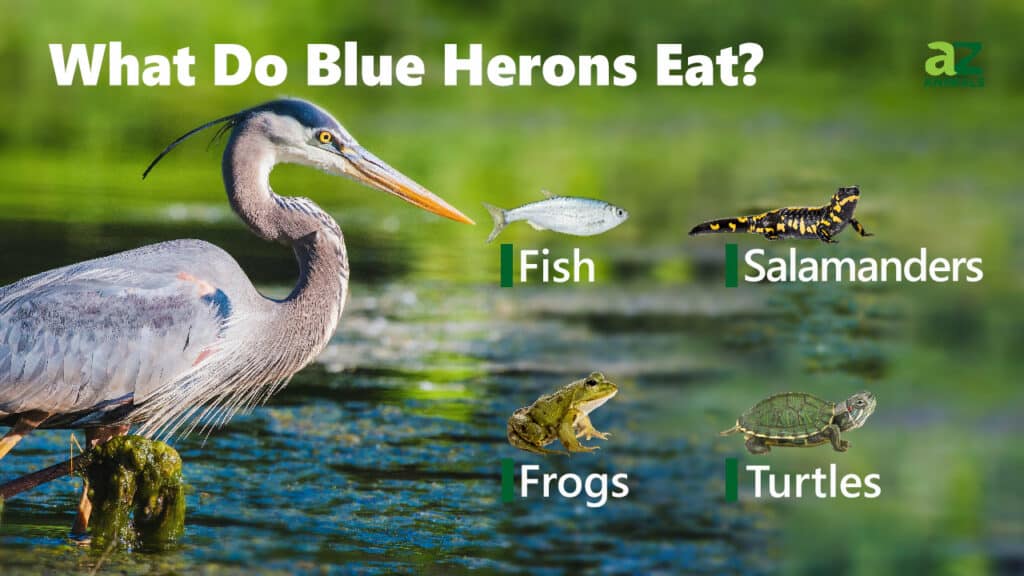
The Great Blue Heron mainly eats fish. It hunts in shallow waters, standing still to catch prey with a quick strike. Besides fish, it eats frogs, salamanders, and small reptiles. Occasionally, it hunts small mammals like rodents and even small birds. This heron is an opportunistic feeder, eating whatever is available.
Grey Heron Preferences
Grey Herons prefer fish but show flexibility in their diet. They consume amphibians such as frogs and newts, and insects when fish are scarce. These herons also catch small mammals and birds. Grey Herons hunt by slowly stalking their prey in wetland areas or along riverbanks.
Other Heron Varieties
Other heron species have unique diet habits. The Green Heron eats mainly fish and aquatic insects. The Little Egret prefers small fish and crustaceans. Larger species like the Goliath Heron focus on bigger fish and frogs. Each species adapts its diet to local food sources and hunting conditions.
Seasonal And Habitat Influences
Herons adapt their diet based on the season and the habitat they live in. These birds are skilled hunters and change their food preferences depending on what is available. Seasonal shifts and different environments greatly affect what herons eat throughout the year.
Diet Changes With Seasons
Herons eat more fish during warm months when water bodies are full. They catch frogs and insects in spring and summer. In colder months, some fish become scarce or hide under ice. Herons then eat more small mammals, birds, or amphibians. Their diet shifts to what they can find easily in each season.
Impact Of Habitat On Food Choices
Wetlands, rivers, and lakes provide fish and aquatic creatures for herons. In marshes, they find frogs, insects, and crustaceans. Some herons live near fields or forests, hunting rodents and small birds. Urban areas may offer more rodents and insects. The habitat type limits or expands the food herons can catch and eat.
Credit: a-z-animals.com
Frequently Asked Questions
What Is The Main Food Of A Heron?
Herons mainly eat fish, their primary food source. They also consume frogs, insects, small mammals, reptiles, and occasionally birds.
Do Herons Eat Other Birds?
Yes, herons eat other birds, especially small ones like ducklings, chicks, and sandpipers. They use sharp bills to catch them.
What Do Grey Herons Eat?
Grey herons eat mainly fish, frogs, amphibians, small mammals, insects, reptiles, and occasionally small birds. They hunt by standing still and striking quickly.
Why Would A Blue Heron Be In My Yard?
A blue heron visits your yard to hunt for food like fish, frogs, or small animals. It may also rest or search for nesting spots nearby.
Conclusion
Herons eat a wide variety of animals to survive. Fish make up most of their diet, but they also catch frogs, insects, and small mammals. Some herons even eat other birds, showing their flexible hunting skills. Their sharp bills help them catch prey quickly and efficiently.
This diverse diet helps herons live in many different places. Watching herons feed reveals their patience and skill. Understanding what herons eat helps us appreciate their role in nature.