

Have you ever spotted a bright red ladybug resting on your garden leaves and wondered, “What do ladybugs eat?” Understanding their diet isn’t just a fun fact—it can actually help you create a healthier garden and maybe even keep these tiny helpers around longer. Ladybugs are nature’s pest controllers, but what fuels their appetite?
Whether you want to attract them outdoors or care for one as a pet, knowing exactly what ladybugs eat will give you the upper hand. Keep reading to discover their favorite meals, surprising snacks, and simple tips to keep these colorful bugs happy and thriving in your space.
Ladybug Diet Basics
Ladybugs have a simple diet that helps them thrive outdoors and indoors. Their eating habits mainly focus on small insects and natural sources. Understanding what ladybugs eat can help gardeners and bug lovers support these helpful insects.
Ladybugs play a vital role in gardens by controlling pests naturally. Feeding them the right foods ensures they stay healthy and active. Below are the basics of their diet to keep them well-fed and happy.
Primary Foods
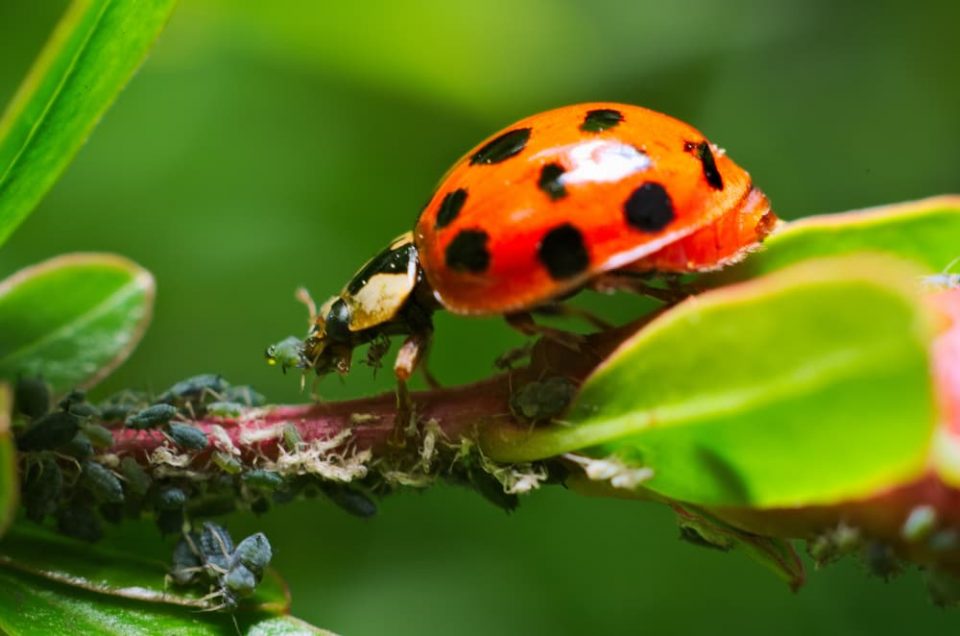
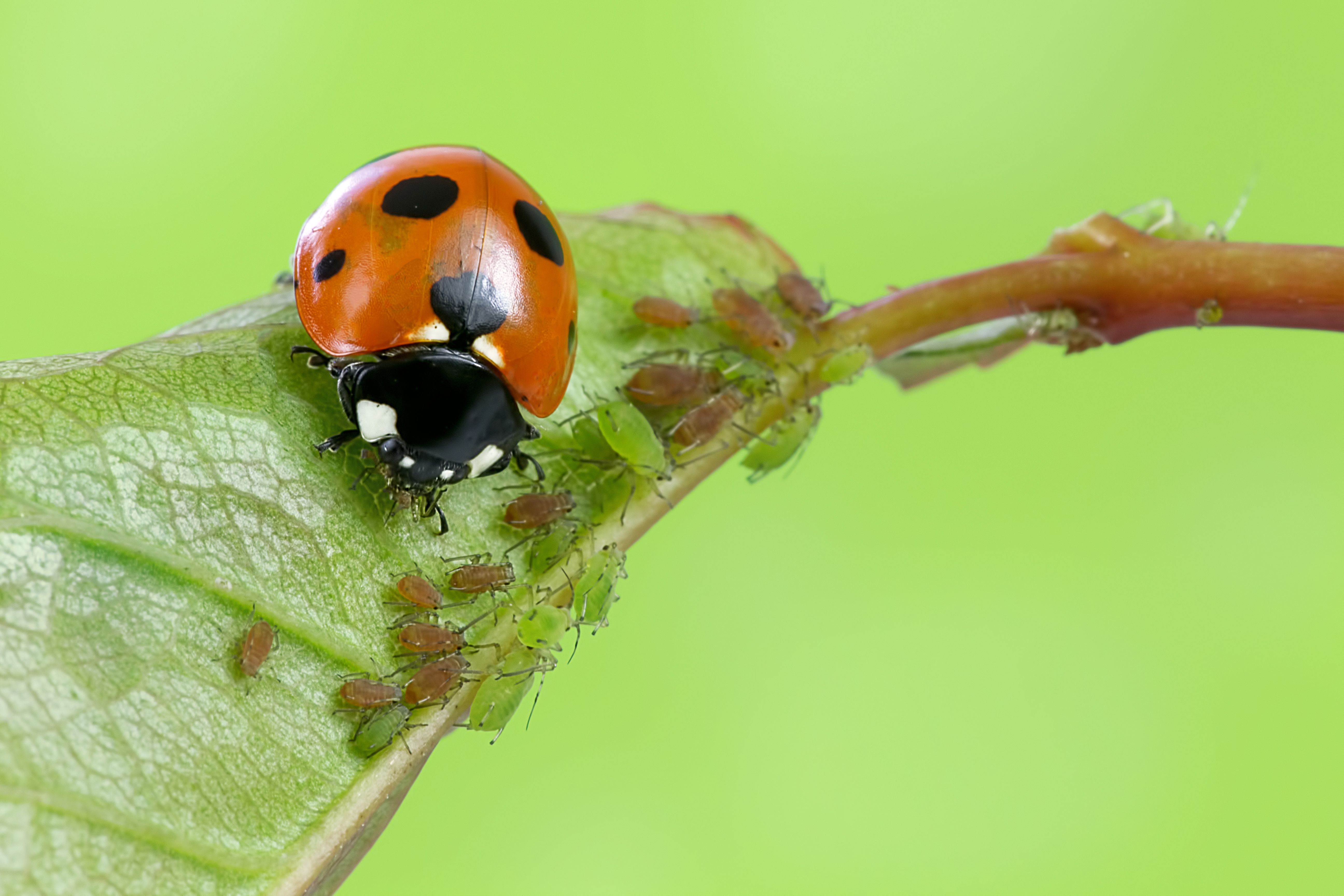
Aphids are the top favorite food for ladybugs. These tiny insects are rich in nutrients and easy to find on plants. Placing leaves with aphids in a ladybug’s space helps keep them well-fed.
Ladybugs also eat other small pests. These include mites, mealybugs, scale insects, and whiteflies. Such pests are common in gardens and provide a natural food source for ladybugs.
Alternative Options
When pests are scarce, ladybugs can eat other foods to stay alive. Soaked raisins are a good option. Soak raisins in water, then cut them in small pieces for easy eating.
Small pieces of non-acidic fruits like grapes, berries, or bananas also work well. These fruits give ladybugs energy and moisture.
Pollen and nectar from flowers like dandelions and clover serve as natural supplements. You can offer these if ladybugs are kept indoors.
A fresh leaf of lettuce helps provide moisture and some food. It is a simple way to keep ladybugs hydrated and nourished.
Aphids As Favorite Prey
Ladybugs are famous for their appetite for aphids. These tiny insects are their favorite prey and a vital part of their diet. Aphids serve as a rich source of nutrients for ladybugs. They help ladybugs grow and stay healthy.
Understanding aphids as prey reveals why ladybugs are great for gardens. They control pest populations naturally. This keeps plants safe and helps gardens thrive.
Why Aphids Matter
Aphids are small insects that feed on plants. They suck sap from leaves and stems. This can harm plants and slow their growth. Aphids multiply quickly, causing large infestations. Ladybugs eat aphids in large numbers. This helps reduce damage to plants. By eating aphids, ladybugs protect gardens and crops. They act as natural pest control agents. Without ladybugs, aphid populations can explode. This leads to weak and unhealthy plants. Aphids matter because they are a key food source. They support ladybugs and balance the garden ecosystem.
How To Provide Aphids
Creating a habitat with aphids helps attract ladybugs. Place leaves with aphids inside the ladybug’s enclosure. Fresh garden leaves with aphid colonies work well. Avoid using pesticides on these leaves. Pesticides can harm ladybugs and aphids alike. You can also grow plants that attract aphids naturally. Plants like milkweed and nasturtium often host aphids. This encourages ladybugs to visit and stay. If aphids are scarce, offer alternatives like diluted sugar water. Small pieces of fruit, such as grapes or berries, also help. Keep a damp paper towel or leaf for water. Providing aphids and alternatives keeps ladybugs fed and healthy.
Other Insect Prey
Ladybugs are natural pest controllers. They hunt more than just aphids. Their diet includes various small insects that harm plants. These insects serve as vital food sources. Eating them helps keep gardens healthy and balanced.
Mites And Mealybugs
Mites are tiny pests that attack plants. Ladybugs consume many types of mites. This helps reduce damage to leaves and stems. Mealybugs are soft-bodied insects. They produce a white, cotton-like covering. Ladybugs feed on these pests too. This controls their spread in gardens.
Scale Insects And Whiteflies
Scale insects latch onto plant branches. They suck sap and weaken plants. Ladybugs eat scale insects to protect plants. Whiteflies are small, flying insects. They gather on the undersides of leaves. Ladybugs hunt and eat whiteflies. This helps stop whitefly infestations quickly.
Fruits And Sweet Treats
Ladybugs enjoy more than just insects. Fruits and sweet treats offer them energy and moisture. These foods help keep ladybugs healthy, especially when aphids are scarce. Providing the right fruits can attract and support these helpful bugs in your garden.
Soaked Raisins
Soaked raisins make a tasty snack for ladybugs. Soak raisins in water for a few hours. Then blot them dry to remove excess moisture. Cut the raisins in half to make it easier for ladybugs to eat. These soft, sweet treats provide natural sugars and hydration.
Non-acidic Fruits
Ladybugs prefer non-acidic fruits like grapes, berries, and bananas. Cut fruits into small pieces for easy feeding. Avoid acidic fruits such as oranges or lemons. Non-acidic fruits supply gentle sweetness and moisture. These fruits mimic nectar and help ladybugs stay energized.
Pollen And Nectar Sources
Ladybugs do more than just eat pests. They also feed on pollen and nectar. These sweet, natural foods help ladybugs get energy. Pollen and nectar are vital, especially when prey is scarce. Gardens with the right flowers keep ladybugs healthy and active.
Natural Flower Options
Many flowers provide pollen and nectar for ladybugs. Dandelions are a common choice. Clover flowers attract ladybugs too. Marigolds and daisies offer good nectar sources. These flowers support ladybugs and other pollinators. Planting a variety of blooms ensures food all season.
Supplying Nectar At Home
Gardeners can supply nectar to ladybugs easily. Plant nectar-rich flowers near vegetable beds. Herbs like dill and fennel work well. Offer fresh flowers regularly for constant supply. Avoid pesticides that harm ladybugs and their food. A healthy garden invites more ladybugs naturally.
Credit: www.littlepassports.com
Hydration Needs
Ladybugs need water to stay healthy and active. They get hydration from various natural sources. Water helps them digest food and survive dry spells. Understanding their hydration needs supports their care and well-being.
Water Sources
Ladybugs drink water from small puddles and droplets. Rainwater collected on leaves or soil is a key source. Shallow water areas allow easy access without risk of drowning. Providing water in captivity helps keep ladybugs hydrated and lively.
Dew And Moisture Intake
Dew on plants is a vital hydration source for ladybugs. Early morning moisture on leaves offers tiny water droplets. Ladybugs absorb this moisture directly from surfaces. This natural intake supports their daily water needs without needing standing water.
Feeding Tips For Pet Ladybugs
Feeding pet ladybugs properly helps keep them healthy and active. Their diet needs variety and freshness to mimic natural eating habits. Providing the right foods supports their energy and lifespan in captivity. Below are tips for feeding pet ladybugs effectively.
Creating A Balanced Diet
Ladybugs mainly eat soft-bodied insects like aphids. Include these if possible by placing aphid-infested leaves in their habitat. They also enjoy other small pests such as mites and scale insects. When these are unavailable, offer alternatives like soaked raisins or small fruit pieces. Non-acidic fruits such as grapes and berries work well. Adding a pollen source can provide extra nutrition. A balanced diet keeps ladybugs strong and lively.
Providing Fresh Food
Freshness matters for pet ladybugs. Change their food daily to prevent mold or decay. Remove old fruits or soaked raisins and replace them with fresh pieces. Use a damp paper towel or leaf to supply water and hydration. Avoid sugary or processed human foods. Keep their enclosure clean to reduce bacteria growth. Fresh food helps ladybugs stay healthy and active longer.
Credit: www.prevention.com
Keeping Ladybugs Healthy
Keeping ladybugs healthy is essential for their role in natural pest control. Healthy ladybugs live longer and stay active in your garden. To ensure their well-being, focus on providing a balanced diet and a suitable habitat. Proper care supports their natural behaviors and helps maintain their population.
Variety In Diet
Ladybugs thrive on a mix of foods. Their main diet includes aphids, small insects that harm plants. You can place leaves with aphids in their habitat to feed them naturally. They also enjoy mites, mealybugs, and scale insects. When pests are scarce, offer soaked raisins or small pieces of fruits like grapes and berries. A drop of diluted honey or sugar water gives them energy. Fresh pollen and nectar from flowers add nutrients. Providing different food options keeps ladybugs strong and active.
Temporary Habitats
Creating a safe temporary habitat helps ladybugs stay healthy. Use small containers with air holes and add moist paper towels for water. Include leaves or plants with aphids to mimic their natural environment. Fresh leaves like lettuce give moisture and shelter. Change the habitat regularly to keep it clean. A stable environment reduces stress and supports their feeding habits. This care helps ladybugs grow and reproduce effectively.
Encouraging Ladybugs In Gardens
Ladybugs play a key role in garden health. Encouraging them helps control pests naturally. Gardens with ladybugs thrive better and stay balanced. Creating a welcoming space is simple and rewarding. Focus on plants and food sources to attract and keep them safe.
Attractive Plants
Plant flowers that provide nectar and pollen. Ladybugs love dandelions, marigolds, and cosmos. These plants offer food and shelter. Bright colors attract ladybugs from far away. Mix different flowering plants for a steady bloom. This keeps ladybugs visiting your garden longer.
Maintaining Food Supply
Ladybugs eat aphids and other small pests. Avoid using harsh pesticides that kill their food. Let some aphids stay to feed ladybugs. You can also place infested leaves in the garden. Offer small amounts of honey water or soaked raisins. These give energy when pests are scarce. Keep a damp cloth nearby for hydration. A steady food supply keeps ladybugs healthy and active.

Credit: www.planetnatural.com
Frequently Asked Questions
What Can I Feed A Ladybug?
Feed ladybugs aphids, their natural prey, or offer soaked raisins, small fruit pieces, diluted honey water, and fresh leaves. Provide moisture with a damp paper towel or leaf to keep them hydrated and healthy.
Do Ladybugs Drink Water?
Yes, ladybugs drink water. They get moisture from damp leaves, paper towels, or fresh fruits in their habitat.
Can A Ladybug Survive Indoors?
Ladybugs can survive indoors briefly with food like aphids, honey water, or fruit. They need moisture and fresh air.
How Long Does A Ladybug Live?
Ladybugs typically live for about one year. Some species may survive several months, depending on environment and food availability.
Conclusion
Ladybugs mainly eat aphids and other small pests. They also enjoy soft fruits like grapes and berries. Providing water is important for their survival. A varied diet helps keep ladybugs healthy and active. These tiny insects play a big role in controlling garden pests naturally.
Feeding them well supports a thriving garden ecosystem. Remember to release ladybugs outdoors where food is available. Their natural appetite helps protect plants without chemicals. Caring for ladybugs is simple and benefits your garden greatly.