

Have you ever wondered what an ostrich munches on to fuel its incredible speed and towering size? Knowing what ostriches eat isn’t just fascinating—it reveals a lot about how these giant birds survive in the wild and thrive in captivity.
Whether you’re curious about their diet for a school project, planning to visit a farm, or simply love learning about unique animals, understanding an ostrich’s food choices will surprise you. Ready to discover the mix of plants, fruits, and even little critters that make up their meals?
Let’s dive in and uncover what really fills an ostrich’s plate!
Credit: a-z-animals.com
Ostrich Diet Basics
Ostriches have a unique diet that helps them survive in harsh environments. Their eating habits include a mix of plants and animals. This balance provides the nutrients they need for energy and health.
Ostriches are mainly herbivores but do eat small animals sometimes. Understanding what they eat helps us learn about their lifestyle and habitat. Let’s explore the basics of an ostrich’s diet.
Plant-based Foods
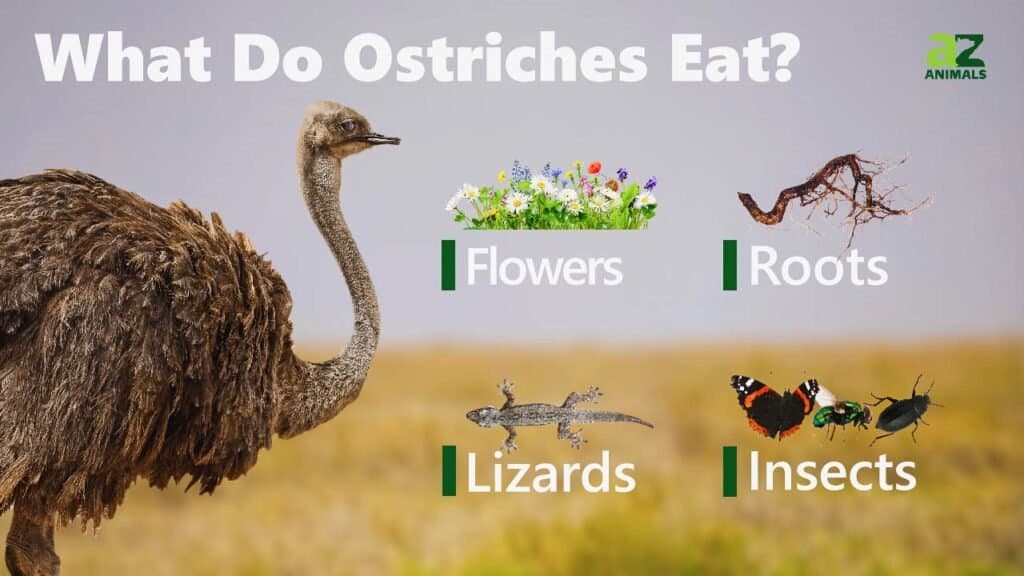
Ostriches eat many types of plants. They prefer grasses, leaves, and seeds. Succulents and roots are also part of their diet. These plants give them water and energy. They often eat flowers and fallen fruit too.
Animal-based Foods
Ostriches sometimes eat small animals. They catch insects like grasshoppers and locusts. Small reptiles, frogs, and mice are also on the menu. These animal foods add protein and variety to their diet. This helps them stay strong and healthy.
Seasonal Variations
The ostrich diet changes with the seasons. In dry times, they eat more tough plants and roots. When it rains, fresh grasses and fruits become common foods. They adapt quickly to find the best food available. This flexibility keeps them alive in many climates.
Credit: farma-rhodes.com
Leafy Greens And Grasses
Ostriches mainly eat leafy greens and grasses, which provide essential nutrients. These plants form a large part of their diet. They graze on a variety of leaves and different types of grasses found in their natural habitat. Eating these helps ostriches stay healthy and strong.
Common Leaves Ostriches Eat
Ostriches eat many types of leaves from bushes and trees. They prefer tender, young leaves that are easy to digest. Some common leaves include acacia leaves, wild olive leaves, and mopane leaves. These leaves supply vitamins and minerals needed for their growth. Ostriches often strip leaves directly from branches using their beaks.
Role Of Grasses In Diet
Grasses are a crucial part of the ostrich diet. They eat several kinds of grasses, including perennial and annual species. Grasses provide fiber that aids digestion. Ostriches graze on the ground, pulling up grass with their strong beaks. The fiber and moisture in grasses help keep their digestive system working well.
Roots And Succulents
Ostriches survive well in dry, hot environments partly because of their diet. They eat many types of plant material that grow underground or store water. Roots and succulents are key parts of what they eat. These foods help them get nutrients and water.
Roots provide essential minerals and energy. Succulents offer moisture, which is vital in arid places. Ostriches dig up roots and pluck succulents with their strong beaks. This diet keeps them healthy and hydrated.
Types Of Roots Consumed
Ostriches eat different roots depending on their habitat. Common roots include tubers and bulbs. These roots store starch and nutrients, giving energy to the bird.
Roots from wild carrots, onions, and certain grasses are favorites. Ostriches use their sharp beaks to dig and pull roots from the soil. This helps them survive when other food is scarce.
Succulents As Water Source
Succulents are plants that store water in their leaves or stems. Ostriches eat these to stay hydrated in dry areas. Succulents like aloes and certain cacti provide both food and water.
The moisture inside succulents helps ostriches meet their water needs. This is crucial during dry seasons when water is hard to find. By eating succulents, ostriches reduce their need to drink water often.
Fruits And Seeds
Ostriches enjoy a variety of fruits and seeds as part of their diet. These foods provide essential nutrients and energy. Fruits and seeds complement their primary intake of plants and insects. They help keep the ostrich healthy and active.
Fallen Fruit Preferences
Ostriches often eat fruit that falls to the ground. They prefer soft, ripe fruits that are easy to peck and swallow. These fruits are a good source of sugar and vitamins. Common fallen fruits include berries, figs, and wild melons. Ostriches use their strong beaks to pick up fruit from the ground. They rarely climb trees but rely on what drops down.
Seed Consumption Habits
Seeds form an important part of the ostrich diet. They eat seeds from grasses, shrubs, and trees. Seeds provide fiber and some fats that help with energy. Ostriches swallow seeds whole and use their gizzard to grind them. This process aids digestion since they lack teeth. Seed eating varies by season and availability. They often eat seeds mixed with other plant materials.
Insects And Small Animals
Ostriches have a diverse diet that includes insects and small animals. These provide extra protein and nutrients beyond plants. Eating insects and small animals helps them stay healthy and energetic. Their feeding habits adapt to the environment and food availability.
Common Insect Prey
Ostriches often eat grasshoppers, locusts, and beetles. These insects are easy to catch on open land. They also eat ants and termites when available. Insects offer a rich source of protein and fat. Ostriches use their strong beaks to grab and crush these small creatures.
Small Vertebrates In Diet
Besides insects, ostriches sometimes eat small animals like lizards and mice. Frogs and small snakes are also part of their diet. These animals provide important nutrients not found in plants. Ostriches catch them by running quickly or waiting patiently. Eating small vertebrates helps ostriches survive in tough environments.
Credit: www.americanostrichfarms.com
Feeding Stones And Digestion
Ostriches have a unique way of helping their digestion by swallowing small stones. These stones play a key role in breaking down food inside their stomachs. This behavior is important for their health and well-being.
Purpose Of Ingesting Stones
Ostriches swallow small stones, called gastroliths, to help with digestion. They do not chew their food like mammals. Stones grind and crush the food in their stomachs. This process helps them digest tough plant material. Stones also prevent food from sitting too long in the stomach. This keeps the digestive system working smoothly.
How Stones Aid Digestion
Stones move around in the muscular part of the stomach. They grind food into smaller pieces. This action helps enzymes break down food faster. Stones also help digest fibrous plants and seeds. Without stones, food would pass undigested. The stones act like the bird’s teeth inside the stomach. This allows ostriches to get more nutrients from their food.
Water Intake And Hydration
Ostriches live in hot and dry places where water is often scarce. Their water intake and hydration are vital for survival. They get water from different sources and have unique ways to stay hydrated. Understanding these helps us learn how they thrive in tough conditions.
Sources Of Water
Ostriches drink water from ponds, rivers, and rain puddles. They also get moisture from the plants they eat. Succulent plants hold water inside, which helps the birds stay hydrated. Sometimes, they eat fruits that contain water. This reduces the need to drink often.
Adaptations To Dry Environments
Ostriches have special adaptations to survive with little water. Their bodies store water efficiently, and they lose very little through sweat. They can go for days without drinking water by using the moisture in their food. Their kidneys work well to keep water in the body. These traits help ostriches live in deserts and dry savannas.
Nutritional Needs And Energy
Ostriches have unique nutritional needs to support their large bodies and active lifestyle. Their diet must provide essential nutrients and enough energy for growth, movement, and reproduction. Understanding these needs helps explain what foods they choose in the wild and in captivity.
Nutrients Ostriches Require
Ostriches need proteins to build strong muscles. They get these from plants and small animals. Vitamins and minerals keep their bones and feathers healthy. Calcium is important for eggshell production in females. Fiber helps their digestion work well. Water is also vital to keep their bodies hydrated.
Energy From Different Foods
Ostriches gain energy mainly from carbohydrates found in plants. Grasses and seeds provide quick energy. Fruits and roots give extra nutrients and hydration. Small insects and animals add protein and fats for longer energy. Stones they swallow help grind food in their stomach, aiding digestion and energy extraction.
Feeding Behavior In The Wild
Ostriches show unique feeding behavior in the wild. Their diet varies with seasons and habitat. These large birds adapt well to the food sources around them. Their feeding habits help them survive harsh conditions. Understanding their behavior reveals how they find and consume food daily.
Ostriches use different strategies to get food. They balance plant material with occasional animal prey. Their strong legs aid in quick movement during foraging. This behavior ensures they meet their nutritional needs efficiently.
Foraging Patterns
Ostriches forage mainly during the cooler parts of the day. Early morning and late afternoon are prime feeding times. They walk long distances to find fresh plants and seeds. Their diet consists mostly of grasses, leaves, and flowers. They also consume roots and fruits when available. Occasionally, they eat insects and small animals for extra protein.
Ostriches use their beaks to peck and tear food gently. They swallow small stones to help grind tough plant material. This adaptation improves digestion and nutrient absorption. Their careful foraging minimizes energy use while maximizing food intake.
Social Feeding Habits
Ostriches often feed in small groups or pairs. Group feeding offers protection from predators. One bird usually stays alert while others eat. They communicate through body language and vocal sounds. This social behavior helps them share information about food sources.
Young ostriches learn foraging skills by following adults. Feeding together strengthens their social bonds. It also increases their chances of finding food in sparse environments. These habits show how ostriches thrive as social creatures in the wild.
Diet In Captivity
Ostriches in captivity need a balanced diet to stay healthy and active. Their natural food varies, but farmed ostriches require carefully controlled feeding. Proper nutrition supports their growth, reproduction, and feather quality. Understanding their diet in captivity helps farmers provide the best care.
Recommended Feed For Farmed Ostriches
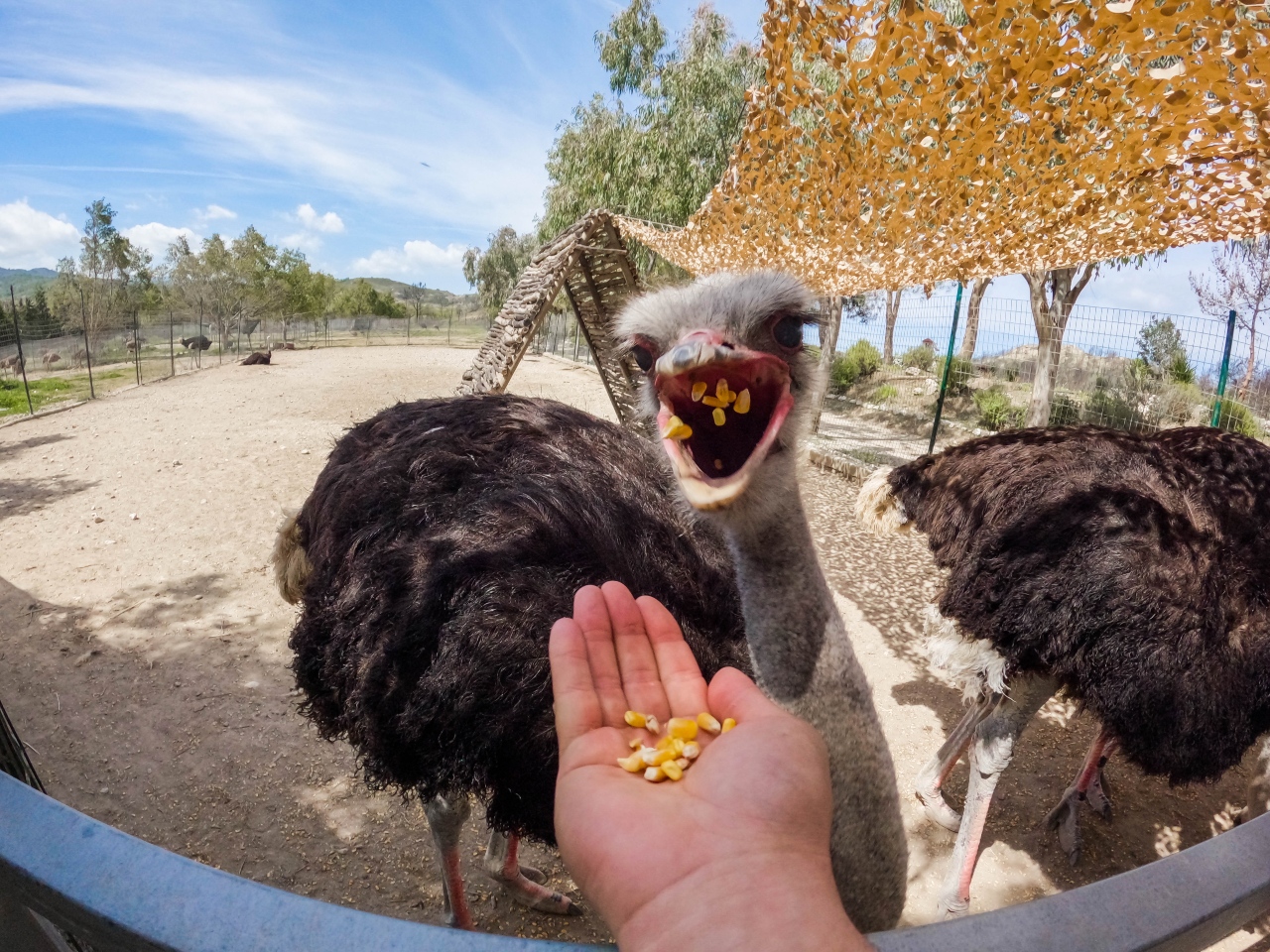
Farmed ostriches eat a mix of grains, pellets, and fresh greens. Common grains include corn, barley, and wheat. Special ostrich pellets offer balanced nutrients. Fresh vegetables and leafy greens add vitamins and fiber. Providing clean water is essential every day. Avoid feeding too much protein as it can harm their kidneys.
Supplements And Special Diets
Supplements help meet extra nutritional needs. Calcium and phosphorus support strong bones and eggshells. Vitamin supplements improve overall health and immune function. Sometimes, farmers add grit or small stones to aid digestion. Special diets may be needed for young or sick ostriches. Regular monitoring ensures the diet suits their condition and life stage.
Unusual Foods Ostriches Eat
Ostriches mostly eat plants, but their diet can surprise you. They sometimes eat foods that seem unusual for such large birds. These unusual foods help them get extra nutrients and energy. Their eating habits show how adaptable ostriches really are. Let’s explore some of the surprising things ostriches eat beyond their normal diet.
Surprising Animal Prey
Ostriches are not just plant eaters. They also catch small animals for food. This includes insects like grasshoppers and locusts. They may eat small reptiles such as lizards. Occasionally, they even feed on frogs and mice. These animal foods give them extra protein. Eating animal prey helps ostriches stay healthy and strong.
Occasional Human-provided Foods
Ostriches sometimes eat foods given by humans. Farmers may feed them grains like corn or wheat. Some keepers provide vegetables and fruits not found in the wild. Ostriches enjoy treats like apples or carrots. These human-provided foods add variety to their diet. They also help ostriches get enough energy, especially in farms or zoos.
Frequently Asked Questions
What Does An Ostrich Eat?
Ostriches eat mostly plants like grasses, roots, leaves, and flowers. They also consume fruits and small animals like insects, lizards, and frogs.
Do Ostriches Lay 100 Eggs?
Ostriches do not lay 100 eggs each. They lay about 7 to 10 eggs per breeding season.
Are Ostriches Aggressive?
Ostriches can be aggressive, especially when threatened or protecting their territory. They may kick or charge to defend themselves.
Why Can’t Ostrich Fly?
Ostriches can’t fly because they have large, heavy bodies and small wing muscles. Their wings support balance and courtship, not flight.
Conclusion
Ostriches eat mostly plants like grasses and roots. They also eat fruits and small animals sometimes. Their diet helps them survive in the wild. Knowing what ostriches eat helps us understand these big birds better. They use stones to help digest food inside their stomachs.
Their eating habits show how they adapt to different environments. Feeding them the right food keeps ostriches healthy. Watching these birds eat can be quite fascinating. Their diet is simple but balanced for their needs.