

Have you ever paused to wonder what penguins eat beneath their charming tuxedo-like feathers? If you’re curious about these fascinating creatures and their unique diet, you’re in the right place.
Penguins don’t graze on land like many animals; their meals come straight from the ocean’s bounty. From tiny shrimp-like krill to slippery fish and even squid, their food choices are as diverse as their habitats. Understanding what penguins eat not only reveals how they survive in some of the harshest environments on Earth but also connects you to the incredible underwater world they navigate daily.
Keep reading to discover exactly what fuels these remarkable swimmers and why their diet matters to their survival.
Credit: a-z-animals.com
Penguin Diet Basics
Penguins are carnivores that live mostly near the ocean. Their diet consists mainly of seafood. They eat fish, squid, and crustaceans like krill.
Different penguin species eat different foods. Their diet changes by location and season. They catch food while swimming using sharp beaks and strong jaws.
Common Foods
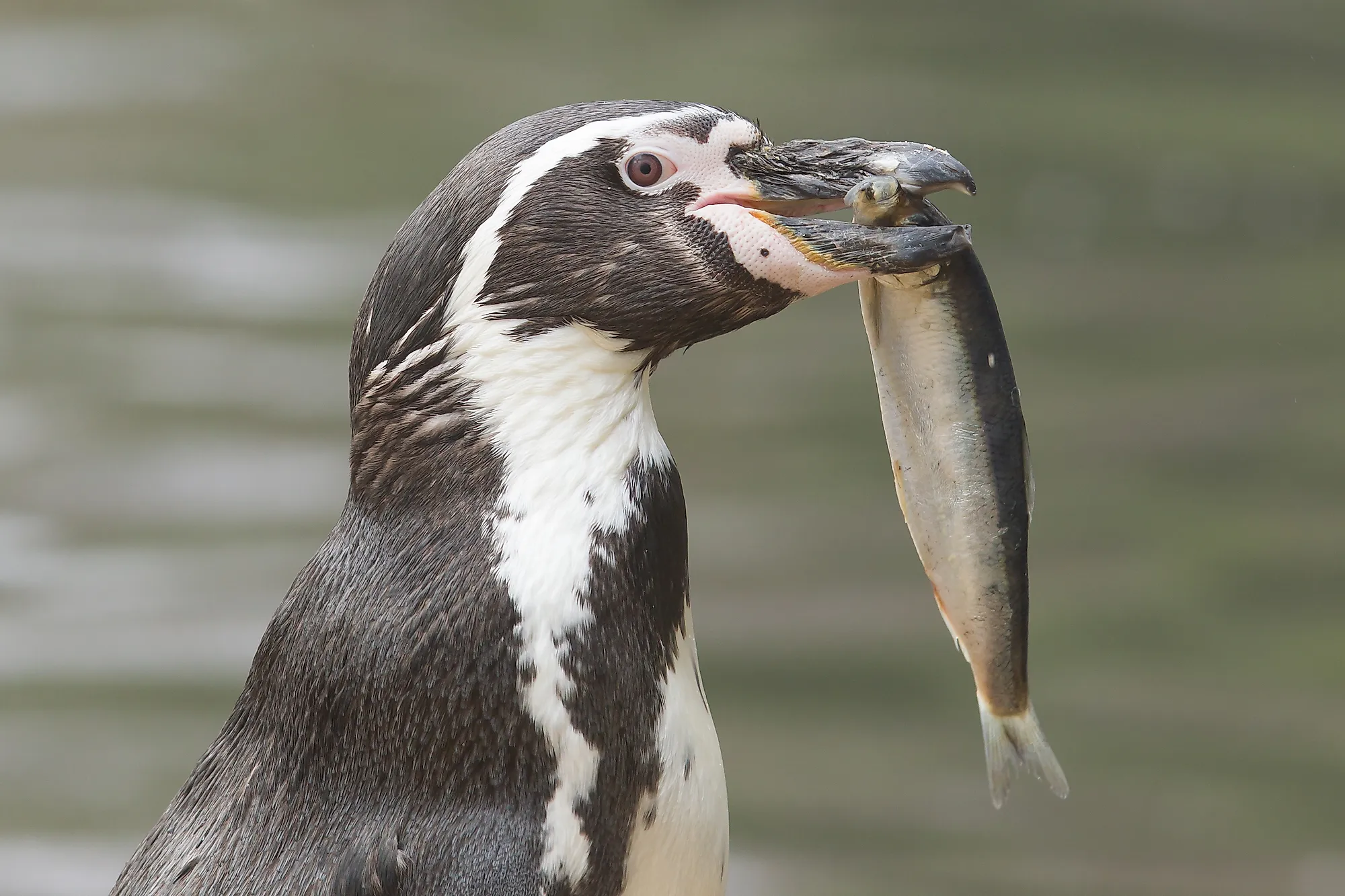
Fish are a major part of penguins’ diet. They eat sardines, anchovies, herring, cod, and small fish like icefish. Crustaceans such as krill, shrimp, and crab are also common. Penguins enjoy cephalopods like squid and cuttlefish. Some species even eat jellyfish.
Diet Variation By Species
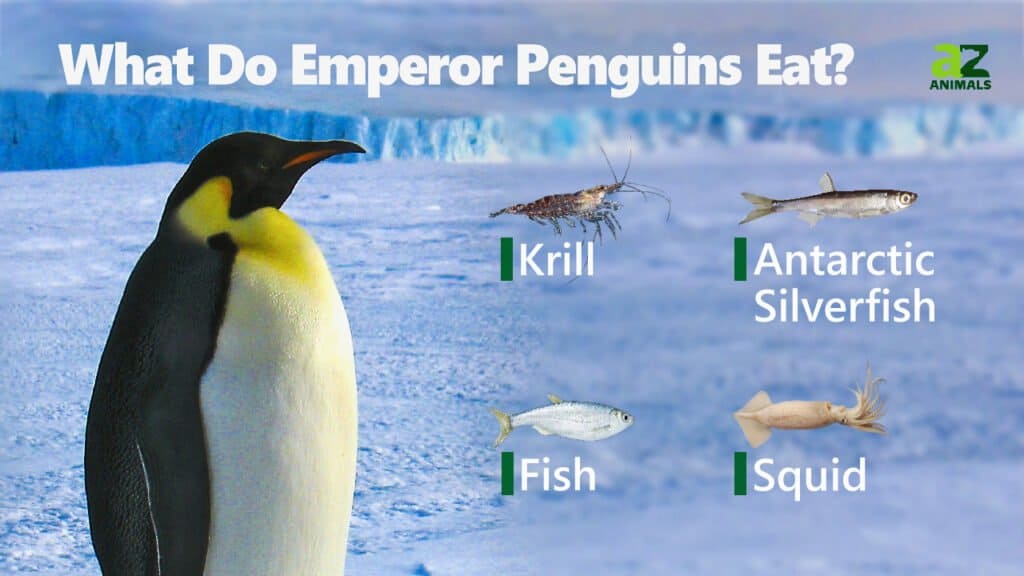
Adélie and Chinstrap penguins mainly eat krill. Emperor and King penguins prefer fish and squid. African penguins need nutrient-rich fish like anchovies and pilchards to stay healthy. Each species adapts to the food available in its habitat.
How They Eat
Penguins catch their food underwater. They use their sharp, spiny tongues to hold slippery prey. They swallow their catch whole. Their strong jaws help them catch fast-moving fish and squid.
Main Foods Penguins Eat
Penguins are skilled hunters that rely on the ocean for food. Their diet mainly includes fish, crustaceans, and cephalopods. Different penguin species eat different types of prey based on their habitat and size. Understanding their main foods gives insight into how they survive in harsh environments.
They use their sharp beaks and quick swimming skills to catch slippery prey. The variety in their diet keeps them healthy and strong.
Fish Varieties
Fish are a major part of a penguin’s diet. Penguins eat small fish like sardines, anchovies, and herring. Some species catch cod and lanternfish too. These fish provide essential proteins and fats. Penguins often hunt fish in groups, making it easier to catch them.
Crustaceans Like Krill
Krill are tiny shrimp-like crustaceans and a favorite food for many penguins. They are rich in nutrients and easy to catch in large groups. Penguins such as Adélie and Chinstrap rely heavily on krill. Krill form dense swarms, which help penguins find plenty to eat.
Cephalopods Including Squid
Squid and other cephalopods are common prey for larger penguins. These animals are quick and slippery, but penguins use strong jaws to hold them. Squid offer high energy and nutrients. Penguins like Emperor and King species include squid regularly in their meals.
Other Marine Prey
Some penguins also eat other marine creatures. This includes shrimp, crab, and even jellyfish. These foods add variety to their diet. Different locations and seasons affect which other prey penguins consume. This flexibility helps penguins survive in diverse ocean conditions.
Diet Differences Among Species
Penguin diets vary widely among species. Different penguins eat different foods based on their habitat and size. These diet differences help penguins survive in diverse environments. Understanding these differences reveals how penguins adapt to their ocean homes.
Krill-focused Species
Many penguins depend mainly on krill. Krill are tiny shrimp-like animals found in cold waters. Species like Adélie and Chinstrap penguins eat mostly krill. Their small size and abundant krill supply match well. This diet gives them energy and nutrients to thrive.
Fish-loving Penguins
Some penguins prefer fish over other foods. Emperor and King penguins mainly eat fish like lanternfish and icefish. These larger penguins need more protein to support their size. Fish are rich in nutrients and easier to catch for them. Their strong jaws and sharp teeth help hold slippery fish.
Mixed Diet Penguins
Other penguins enjoy a varied diet. African penguins eat both fish and crustaceans. Their diet changes with seasons and food availability. This flexibility helps them survive in warmer waters. Mixed diets provide balanced nutrition and adapt to changing ocean life.
Hunting And Eating Methods
Penguins have unique ways to hunt and eat their food. Their hunting and eating methods suit their cold, aquatic environments. These methods help penguins catch slippery prey efficiently. Understanding these behaviors reveals how penguins thrive in the wild.
Swimming And Catching Prey
Penguins are excellent swimmers. They use their strong flippers to move fast underwater. Their speed and agility help them chase fish, squid, and krill. They can dive deep and stay underwater for several minutes. Penguins often hunt in groups to catch more prey. Quick turns and sharp dives help them surprise their food.
Using Tongue Spines
Penguins have rough tongues covered with sharp spines. These spines point backward and help hold slippery prey. When penguins catch fish or squid, the tongue spines prevent the food from escaping. Their strong jaws work with the tongue to keep a tight grip. This adaptation is vital to swallowing slippery sea creatures whole.
Vision And Bioluminescence
Penguins have excellent vision underwater. Their eyes adjust to low light in deep water. Some prey, like squid, use bioluminescence to glow in the dark ocean. Penguins can spot these glows and locate their prey easily. This ability gives penguins an advantage during night hunting or in deep, dark waters.
Seasonal And Regional Diet Changes
Penguins adapt their diet based on the season and their location. Their food changes to match what is available in the water around them. These changes help penguins survive in different environments and during different times of the year.
In colder months, some penguin species eat more krill and small crustaceans. Warmer seasons bring a shift toward fish and squid. This flexibility allows penguins to find enough food even when some prey is scarce.
Regional Diet Differences
Penguins living in Antarctica mainly eat krill. Krill are small shrimp-like creatures found in large groups under the ice. They are easy for penguins to catch and provide high energy.
Penguins in warmer regions, like Africa and South America, eat more fish. These include sardines, anchovies, and pilchards. Squid is also an important part of their diet in some areas.
Seasonal Diet Changes
During summer, fish and squid become more common in penguin diets. The ice melts, making these foods easier to find. Penguins take advantage of the seasonal abundance.
Winter brings colder waters and less fish. Penguins then depend more on krill and small crustaceans. This seasonal shift keeps their energy levels stable.
Species-specific Food Preferences
Adélie and Chinstrap penguins rely heavily on krill. Emperor and King penguins prefer fish and squid. African penguins focus on nutrient-rich fish like anchovies.
Each species has adapted to hunt the food most available in their home waters. This specialization helps reduce competition for food.
Credit: www.worldatlas.com
How Diet Supports Penguin Survival
Penguins eat mostly fish, squid, and small crustaceans like krill. Their diet changes by species and location. Eating seafood gives them energy to survive cold oceans and swim long distances.
Penguin diets play a vital role in their survival. Their food provides energy for swimming and keeping warm.
Eating the right food helps them stay healthy and strong in cold environments. Different penguin species eat different prey to fit their needs.
Energy For Swimming And Hunting
Penguins swim long distances to find food. They need energy from fish and krill to keep moving.
The high-fat content in their diet fuels their muscles for diving and chasing prey. This energy helps them catch enough food to survive.
Nutrition For Cold Weather
Penguins live in cold places like Antarctica. Their diet gives them essential nutrients to produce body heat.
Fish and squid contain fats and proteins that help penguins stay warm. This nutrition supports their thick feathers and blubber.
Adapting To Food Availability
Penguins change their diet based on what is available. Some eat more krill, others eat more fish or squid.
This flexibility helps penguins survive when food is scarce. It also allows them to live in different environments with varying prey.
Supporting Breeding And Growth
A good diet supports penguin breeding success. Parents need strong bodies to care for eggs and chicks.
Rich food helps chicks grow fast and build fat reserves. This increases their chances of survival in harsh conditions.
Interesting Penguin Feeding Facts
Penguins mainly eat fish, squid, and tiny crustaceans called krill. Different penguin species prefer different foods. Their sharp tongues help catch slippery prey underwater.
Penguins have fascinating feeding habits shaped by their environment.
They eat mostly seafood, but the details vary by species and location.
These birds catch prey with skill and unique adaptations.
Penguins Use Their Tongues To Hold Prey
Penguins have spiny tongues that help grip slippery fish and squid.
This feature stops their food from escaping while they swim fast.
The rough texture acts like a natural fishing tool underwater.
Different Penguins Eat Different Foods
Smaller penguins often eat tiny crustaceans called krill.
Larger species prefer bigger fish and squid to meet their energy needs.
Each penguin species adapts to available food in their habitat.
Penguins Can Dive Deep To Find Food
Some penguins dive over 500 feet to catch prey in cold waters.
They hold their breath and swim strong to reach deep ocean zones.
This skill helps them find food that other animals cannot reach.
Feeding Times Depend On The Season
Penguins eat more during breeding season to feed their chicks.
In winter, they may travel farther to find enough food.
Seasonal changes affect their hunting behavior and diet variety.

Credit: www.twinkl.it
Frequently Asked Questions
What Do The Penguins Eat?
Penguins eat seafood like fish, squid, and crustaceans such as krill. Diet varies by species and location. They catch prey underwater using strong jaws and spiny tongues. Smaller penguins prefer krill, while larger ones focus on fish and squid.
Do Penguins Eat Only Meat?
Penguins eat only seafood, including fish, squid, and crustaceans like krill. Their diet varies by species and location.
Do Penguins Have Teeth?
Penguins do not have teeth. Instead, they use spiny tongues and strong jaws to grip slippery prey like fish and squid.
Do Penguins Eat Crabs?
Yes, penguins eat crabs along with fish, squid, and crustaceans like krill. Their diet varies by species.
Conclusion
Penguins eat mainly fish, squid, and small crustaceans like krill. Their diet changes by species and where they live. Smaller penguins mostly eat krill, while larger ones prefer fish and squid. Penguins catch food by swimming fast and using spiny tongues.
This diet helps them stay strong in cold waters. Understanding what penguins eat shows how they survive in their ocean homes. Their eating habits reveal much about life in the sea. Penguins depend on healthy marine life to thrive every day.