

Have you ever wondered what pigeons really eat when you see them pecking around in the park or on city streets? If you want to understand their diet better—whether you’re feeding pigeons in your neighborhood or caring for a pet—you’re in the right place.
Knowing what pigeons eat is key to keeping them healthy and happy. You’ll discover the best grains, seeds, greens, and treats that suit their nutritional needs, plus the foods you should avoid to protect them from harm. Keep reading, and you’ll become a pigeon-feeding pro in no time!
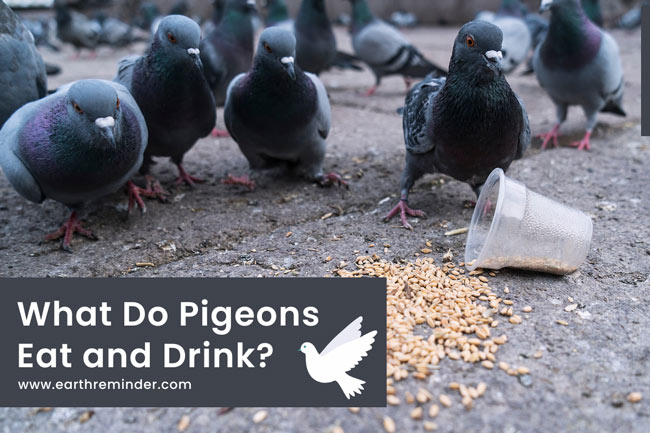
Credit: www.earthreminder.com
Pigeon Diet Basics
Pigeons thrive on a varied diet that meets their nutritional needs. Understanding the basics of what pigeons eat helps keep them healthy and active. Their diet mainly includes grains, seeds, protein sources, and fresh greens. Each type plays a key role in providing energy, growth support, and overall health.
Common Grains And Seeds
Grains and seeds form the core of a pigeon’s diet. They provide carbohydrates and fats needed for energy. Popular choices include wheat, cracked corn, millet, oats, and barley. Sunflower seeds are a favorite treat but should be given in moderation. These seeds are easy to find and offer essential nutrients for daily life.
Legumes And Protein Sources
Protein is vital for muscle development and feather growth. Pigeons eat legumes like peas and lentils to meet this need. Small amounts of unsalted peanuts can also be included. These protein sources support breeding and molting seasons. Feeding protein-rich foods helps pigeons stay strong and healthy.
Fresh Greens And Vegetables
Fresh greens add vitamins and minerals to a pigeon’s diet. Leafy vegetables like kale, spinach, and lettuce are safe options. Finely chopped carrots, broccoli, and bell peppers provide extra nutrients. Avoid feeding harmful plants such as avocado and onions. Fresh vegetables keep pigeons hydrated and support their immune system.
Seeds And Grains Staples
Pigeons thrive on a diet rich in seeds and grains. These staples provide essential nutrients and energy. Seeds and grains form the core of most pigeon diets. They help keep pigeons healthy and active every day.
Different types of grains offer varied benefits. Some grains are high in carbohydrates, while others provide protein or fiber. Understanding these staples can help you feed pigeons properly.
Wheat, Corn, Millet, And Oats
Wheat is a common grain for pigeons. It is easy to digest and full of carbohydrates. Corn offers energy and is a favorite among many pigeons. Millet is small and easy to eat, making it ideal for young birds. Oats are rich in fiber and help with digestion. These grains should be dry and clean for best results.
Special Seeds Like Sunflower And Safflower
Sunflower seeds are rich in fats and protein. They give pigeons energy, especially in cold weather. Safflower seeds are less oily and good for pigeons with sensitive stomachs. Both seeds add variety and nutrition to the diet. Offering these seeds in moderation keeps pigeons healthy.
Homemade Mixes Vs. Store-bought
Homemade mixes let you control ingredients and quality. You can combine wheat, corn, millet, oats, and special seeds. Store-bought mixes save time and are balanced for pigeons. Check labels to avoid fillers and harmful additives. Both options work well if chosen carefully.
Vegetables And Fruits For Pigeons
Vegetables and fruits form a healthy part of a pigeon’s diet. They supply essential vitamins and minerals. Pigeons enjoy a variety of fresh produce, but some items suit them better than others. Feeding the right fruits and vegetables supports their digestion and energy levels. Always offer these foods in moderation to avoid stomach upset.
Safe Choices In Moderation
Carrots, peas, and broccoli are great vegetable options for pigeons. Leafy greens like spinach and kale provide important nutrients. Fruits such as apples, berries, and grapes are also safe. Remove seeds from fruits like apples to prevent choking. Offer these foods in small amounts alongside their main grain diet. Too much fruit or vegetables can cause diarrhea.
Chopping And Preparation Tips
Cut fruits and vegetables into small, bite-sized pieces. This helps pigeons eat easily without choking. Wash all produce thoroughly to remove pesticides. Serve raw or lightly steamed vegetables to keep nutrients intact. Avoid seasoning or adding salt. Fresh water should be available when feeding fresh produce to aid digestion.
Foods To Avoid
Never feed pigeons avocado, onion, or rhubarb. These are toxic and can harm their health. Iceberg lettuce offers little nutrition and should be skipped. Avoid citrus fruits as they may upset pigeons’ stomachs. Do not give sugary or processed fruits. Always research any new food before offering it to your pigeon.
Supplements And Additives
Pigeons need more than just seeds and grains to stay healthy. Supplements and additives provide essential nutrients that grains alone cannot offer. These extras support digestion, hydration, and seasonal energy needs. Understanding their role helps keep pigeons strong and active.
Role Of Grit And Minerals
Pigeons swallow small stones called grit to help grind food in their gizzards. Without grit, they struggle to digest hard seeds and grains properly. Minerals like calcium and phosphorus are also vital. They strengthen bones, aid eggshell formation, and support overall health. Oyster shell and mineral powders are common supplements used by pigeon keepers.
Importance Of Fresh Water
Fresh water is crucial for pigeons every day. It aids digestion and helps the body absorb nutrients. Clean water prevents dehydration and keeps pigeons cool in warm weather. Water should be changed regularly to avoid bacteria growth. Pigeons prefer shallow dishes to drink and bathe in.
Seasonal Dietary Changes
Pigeons need different nutrients at different times of the year. In winter, they require more fats and proteins for energy and warmth. Sprouted seeds and legumes are excellent protein sources during cold months. In spring and summer, fresh greens and vegetables provide vitamins and minerals. Adjusting their diet seasonally supports natural cycles like molting and breeding.
Surprising Foods Pigeons Enjoy
Pigeons enjoy more than just common seeds and grains. Their diet includes surprising foods that help keep them healthy and active. These tasty options provide extra nutrients pigeons need throughout the year. Let’s explore some of these unexpected favorites.
Sprouted Seeds And Grains
Sprouted seeds offer more nutrition than dry seeds. The sprouting process increases vitamins and enzymes. Pigeons find sprouted grains easier to digest. Common choices include sprouted wheat, millet, and oats. These provide extra energy and support strong feathers.
Occasional Treats And Protein Boosts
Pigeons need protein for muscle and feather growth. Small amounts of legumes like split peas and lentils are ideal. Peanuts (unsalted and chopped) also serve as a great protein source. These treats are best given in moderation to avoid digestive issues.
Greens Beyond Lettuce
Pigeons enjoy a variety of greens besides plain lettuce. Kale, spinach, and finely chopped broccoli are nutritious options. Bright veggies like bell peppers and tomatoes add vitamins and color. Avoid iceberg lettuce, which offers little nutrition.
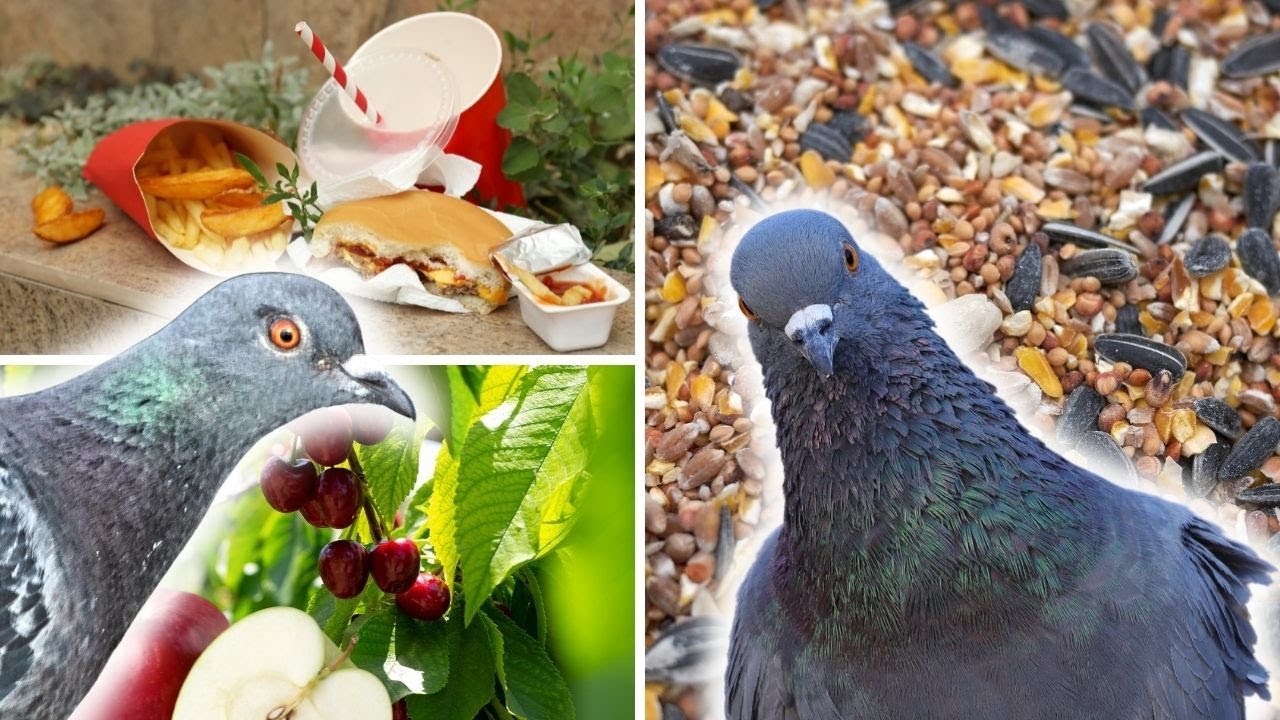
Credit: www.youtube.com
Foods Harmful To Pigeons
Pigeons thrive on a diet of grains, seeds, and fresh greens. Yet, some common foods can harm them. Knowing what to avoid is key to keeping pigeons healthy. Certain items can cause sickness or even be fatal. Feeding pigeons the wrong foods may lead to digestive problems, poisoning, or malnutrition. Below are some foods that pose risks to pigeons.
Toxic Items Like Avocado And Chocolate
Avocado contains persin, a toxin harmful to many birds, including pigeons. Even small amounts can cause heart damage or breathing trouble. Chocolate has theobromine, which is poisonous to pigeons. It affects their nervous system and heart. Avoid giving any chocolate or avocado parts to pigeons, no matter the quantity.
Why Bread Should Be Avoided
Bread lacks nutrition and fills pigeons’ stomachs without benefit. It can cause malnutrition and digestive issues. Bread swells in their stomachs and may lead to choking. Feeding bread regularly can harm wild pigeons by weakening their natural foraging skills. Instead, offer grains and seeds for proper nutrition.
Processed And Junk Foods To Skip
Processed foods contain salt, sugar, and additives harmful to pigeons. Junk foods like chips, candy, and fast food can upset their digestion. These foods may cause dehydration, poisoning, or obesity. Avoid feeding any processed snacks or leftovers. Stick to natural, simple foods that support pigeon health and energy.
Feeding City And Wild Pigeons
Feeding city and wild pigeons requires care and knowledge. These birds survive on various foods, but human help can affect their health. Offering the right food supports their well-being. Misfeeding can harm their natural habits and health. Understanding what pigeons eat helps maintain a balance in urban environments.
Safe Options For Urban Birds
Choose grains and seeds like wheat, millet, and cracked corn. These foods are close to what pigeons eat naturally. Add legumes such as peas or lentils for protein. Fresh greens like chopped kale or lettuce are good in small amounts. Avoid bread, as it lacks nutrients and can cause harm. Always provide clean, fresh water alongside food.
Avoiding Overfeeding And Dependency
Feed pigeons in moderation to prevent health issues. Overfeeding can make pigeons dependent on humans for food. This reduces their ability to find natural food sources. Excess food can attract pests and create unsanitary conditions. Feed only small amounts and avoid daily feeding at the same spot. Let pigeons forage naturally to stay healthy and active.
Best Practices For Public Feeding
Pick quiet, safe places away from busy roads for feeding. Use shallow dishes or spread food on clean surfaces. Clean feeding areas regularly to prevent disease. Do not feed pigeons in large groups or crowded spots. Inform others about feeding guidelines to protect the birds. Respect local rules and avoid feeding in prohibited areas.
Preparing And Storing Pigeon Food
Preparing and storing pigeon food properly keeps it fresh and safe. Good preparation ensures pigeons get the nutrients they need. Proper storage prevents spoilage and waste. A clean feeding area also helps maintain their health.
Proper Storage For Freshness
Store pigeon food in airtight containers. Use plastic or glass containers with tight lids. Keep food in a cool, dry place away from sunlight. Avoid damp areas that cause moisture buildup. Check food regularly for freshness and discard old batches. Proper storage keeps seeds and grains crisp and tasty.
Chopping And Serving Tips
Chop fruits and vegetables into small pieces. Small pieces are easier for pigeons to eat. Serve dry grains and seeds separately from wet foods. Offer fresh greens like kale or lettuce in small amounts. Use shallow dishes to make feeding easier. Clean dishes daily to avoid bacteria buildup.
Avoiding Mold And Spoilage
Mold grows quickly on damp or old food. Remove any wet or spoiled food immediately. Keep feeding areas clean and dry. Store food in small amounts to reduce waste. Check grains and seeds for unusual smells or colors. Fresh food helps pigeons stay healthy and active.

Credit: www.youtube.com
Frequently Asked Questions
What Can I Feed A Pigeon?
Feed pigeons grains and seeds like corn, wheat, millet, oats, and sunflower seeds. Add legumes, chopped greens, and fresh water. Avoid bread. Provide grit for digestion and include fats in winter and protein in spring for balanced nutrition.
What Do Pigeons Not Eat?
Pigeons do not eat bread, avocado, onions, rhubarb, or iceberg lettuce. Avoid toxic or low-nutrition foods for their health.
Why Is Pigeon Meat Not Eaten?
Pigeon meat is rarely eaten due to cultural taboos, concerns about disease, and its tough texture. People prefer other poultry.
Can You Feed Pigeons Bread?
Avoid feeding pigeons bread as it lacks nutrition and can harm their health. Offer grains, seeds, legumes, and fresh greens instead. Always provide clean water and grit for digestion to keep pigeons healthy and well-nourished.
Conclusion
Pigeons eat a variety of seeds, grains, and some greens. Fresh water and grit help their digestion. Avoid feeding them bread or toxic foods. Seasonal changes affect their diet needs. Providing balanced nutrition keeps pigeons healthy and active. Understanding what pigeons eat helps you care for them better.
Simple, natural foods suit their needs well.