

Have you ever watched a robin hopping around your yard and wondered, “What do robins eat?” Understanding their favorite foods can help you attract these charming birds right to your garden.
Robins aren’t like typical seed-loving birds—they have unique tastes that keep them healthy and active. By learning what fuels their energy, you can provide the perfect meals that robins truly enjoy. Ready to discover the best foods to feed robins and how to serve them?
Keep reading to find out how you can become the robin’s favorite host!
Credit: a-z-animals.com
Robin Diet Basics
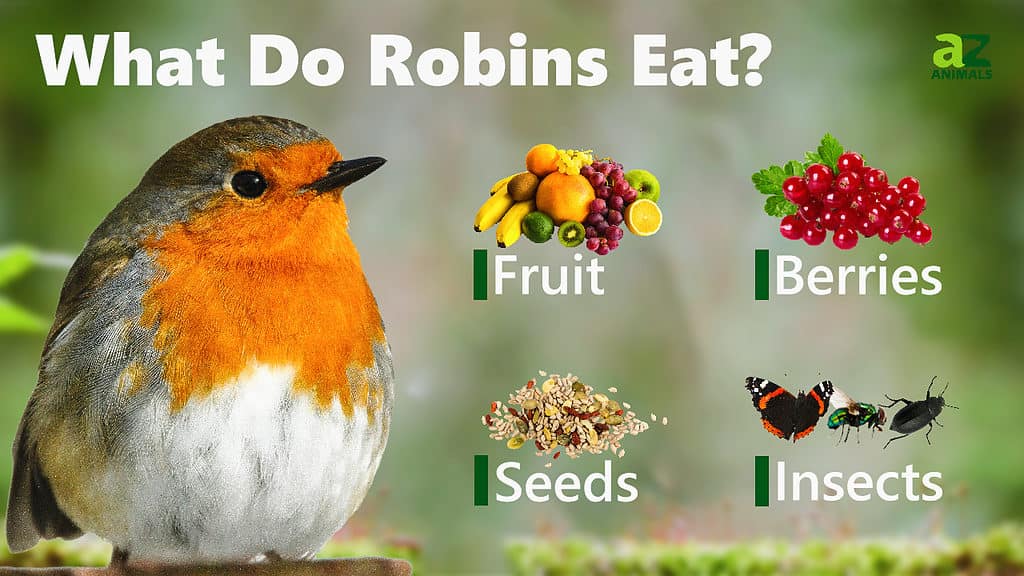
Robins eat a mix of insects, fruits, and other small foods. Their diet changes with the seasons to match what is available. They need protein and energy to stay healthy and active. Understanding what robins eat helps you attract them to your garden.
Protein Sources
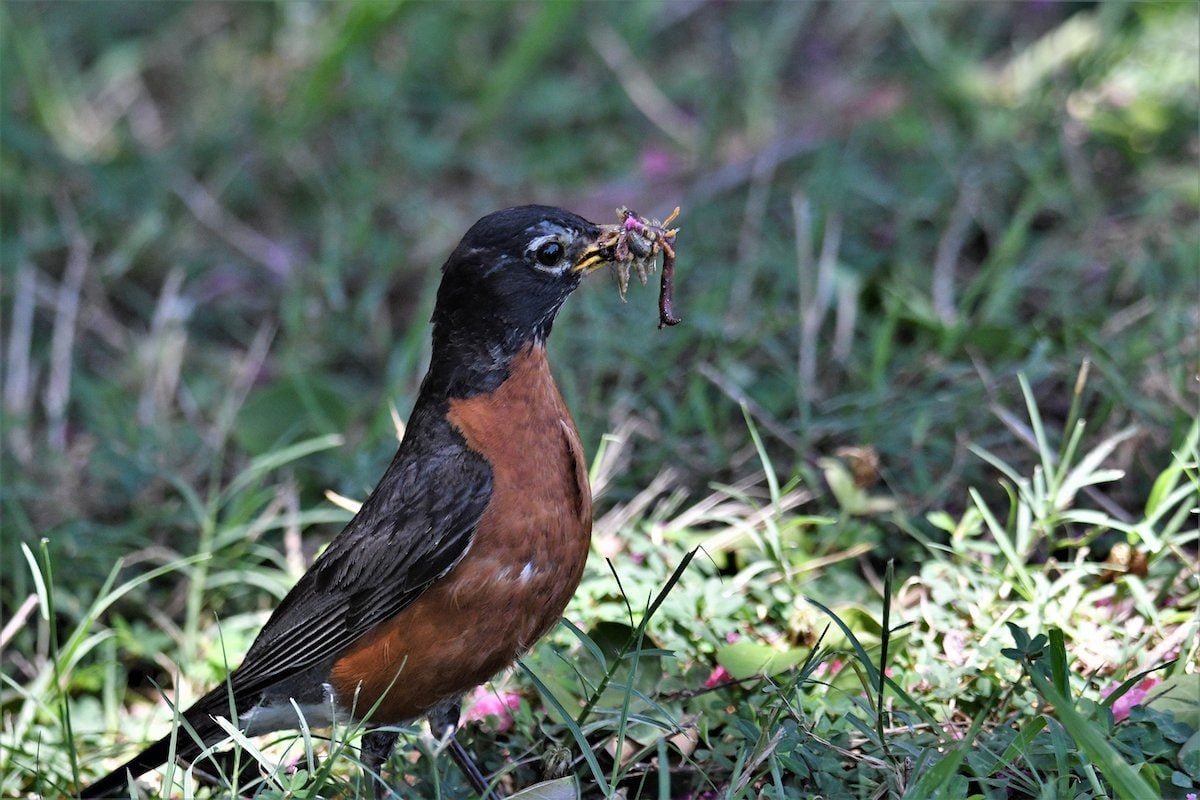
Robins mainly eat insects for protein. Worms are a top choice, especially earthworms. Beetles, caterpillars, and spiders also provide important nutrients. Mealworms, live or softened, are a great option to offer. Protein helps robins build strong muscles and feathers.
Favorite Fruits
Robins enjoy many soft fruits. They eat berries like blueberries, cranberries, and cherries. Raisins and chopped apples are also favorites. These fruits give them energy and vitamins. Fresh fruits keep robins healthy and happy, especially in colder months.
Seasonal Variations
Robins change their diet with the seasons. In spring and summer, they eat more insects and worms. Fall and winter bring more fruit and berries to their diet. When snow covers the ground, robins rely on stored fruit and any available insects. This shift helps robins survive all year.
Top Foods For Robins
Robins need a diet rich in protein and natural sugars. Their favorite foods include insects and soft fruits. These foods help robins stay healthy and active all year. Providing the right foods supports their energy needs, especially in cold months. Offering a variety of these foods can attract robins to your garden or yard.
Mealworms
Mealworms are a top protein source for robins. They eat both live and dried mealworms. Dried mealworms should be soaked in water before feeding. Mealworms are especially good for baby robins. They provide essential nutrients that help robins grow strong.
Berries And Soft Fruits
Robins enjoy many types of berries and soft fruits. Offer chopped apples, grapes, and raisins. Cranberries, blueberries, and cherries are also favorites. These fruits give robins natural sugars and vitamins. Soft fruits are easy for robins to eat and digest.
Suet And Fat Balls
Suet and fat balls offer extra calories for robins. These foods are important during cold weather. They help robins keep warm and active. Place suet or fat balls on a flat surface or tray. Robins prefer feeding on the ground or low platforms.
Peanuts
Robins like peanuts, especially crushed or shelled. Peanut hearts are a good choice too. Peanuts provide healthy fats and protein. Avoid whole peanuts with shells, as they can be hard to eat. Offer peanuts in small pieces on a platform feeder.
Feeding Methods
Robins have specific feeding habits that make them unique among backyard birds. Understanding their feeding methods helps attract and support them effectively. They prefer certain feeding styles that suit their natural behavior and diet needs.
Robins mainly forage on the ground and favor easy access to food. This knowledge guides how to offer food in a way robins find inviting and safe.
Ground Feeding Preferences
Robins usually feed by hopping on the ground. They look for worms, insects, and fallen fruits. Ground feeding allows them to search naturally and feel secure. Offer food on soil, grass, or flat surfaces close to the ground. This encourages natural foraging and attracts robins to your garden.
Platform And Tray Feeders
Robins like platform and tray feeders more than hanging feeders. These feeders provide a flat surface for easy access. Place them low or on a stand near bushes or trees. Keep the trays clean and filled with fresh fruits or mealworms. This method works well for feeding robins safely and comfortably.
Avoid Hanging Feeders
Robins rarely use hanging feeders. These feeders are designed for seed-eating birds that cling or hover. Since robins prefer ground or flat surfaces, hanging feeders often go unused. Avoid hanging feeders to prevent wasted food and reduce frustration for the birds.
Maintaining Freshness
Fresh food is vital for robins’ health. Remove old or moldy food quickly. Replace it with fresh fruits, berries, or live mealworms. Clean feeders regularly to prevent bacteria build-up. Freshness helps robins find your feeding spot safe and attractive.

Credit: betterwithbirds.com
Foods To Avoid
Robins need a diet that supports their health and energy. Some common foods people offer robins can actually harm them. Knowing which foods to avoid helps keep robins safe and strong. This section highlights key foods that robins should not eat.
Bread And Its Risks
Bread looks like a quick, easy food for robins. It fills their stomachs but offers very little nutrition. Bread can cause malnutrition in robins over time. Eating too much bread may lead to health problems and weaken their immune system.
Wet bread can swell in a bird’s throat or stomach. This swelling can block their digestive tract, causing serious harm. Moldy bread is even more dangerous. Mold produces toxins that can poison robins. Avoid feeding bread to robins to protect their health.
Standard Seed Mixes
Robins are mostly insect and fruit eaters. Standard seed mixes do not match their natural diet. These mixes often contain seeds robins cannot easily digest. Seeds can fill their stomachs without giving essential nutrients.
Feeding robins seed mixes may reduce their intake of insects and fruits. This leads to poor nutrition and energy loss. Avoid seed mixes and focus on protein-rich insects and fresh fruits instead. This choice supports robins’ natural eating habits and wellbeing.
Feeder Types For Robins
Robins have unique feeding habits that influence the types of feeders they prefer. Unlike many birds, robins mostly eat on or near the ground. Providing the right feeder type can help attract and support these beautiful birds in your garden. Feeders designed with robins’ natural behaviors in mind will encourage them to visit and stay longer.
Ground Feeders
Ground feeders are the best choice for robins. These feeders allow robins to forage naturally, just like they do in the wild. You can scatter food like mealworms, chopped fruits, or berries directly on the ground or on a flat tray placed low to the ground. This setup feels safe and familiar to robins, encouraging regular visits.
Platform And Tray Feeders
Platform and tray feeders offer a flat surface for robins to feed comfortably. These feeders should be placed low or on the ground. They are ideal for serving soft fruits, mealworms, and suet. Avoid feeders with small perches or deep compartments, as robins prefer easy access to their food. Clean feeders regularly to keep the food fresh and safe.
Bird Tables
Bird tables provide a larger flat area and can attract robins if placed correctly. Position the table close to the ground or add a ramp to help robins reach the food easily. Bird tables let you offer a variety of foods like chopped apples, berries, and insects. Keep the table clean and dry to prevent mold and spoilage.
Winter Feeding Tips
Robins need extra help during cold winter months. Natural food sources become scarce. Providing the right food helps them stay healthy and strong. Simple feeding tips can make a big difference. Focus on high-energy foods and fresh water to support robins through winter.
Extra Calories With Suet
Suet is a great source of fat and energy for robins. It helps them stay warm on cold days. Offer suet cakes or suet balls in a feeder. Choose suet mixed with fruits or insects for added nutrition. Avoid suet with added salt or artificial ingredients.
Fruit Options In Cold Months
Robins love soft fruits during winter. Offer chopped apples, raisins, or cranberries. Blueberries and cherries also work well. Place fruit on a flat feeder or ground tray. Fresh fruit provides vitamins and natural sugars for energy.
Water Availability
Water is essential, even in winter. Keep a shallow dish of fresh water near feeding spots. Check often to prevent freezing. Water helps robins digest food and stay hydrated. Use a heated birdbath if freezing is a problem.
Credit: www.birdsandblooms.com
Frequently Asked Questions
What Is The Best Food To Feed Robins?
Robins eat protein-rich mealworms and soft fruits like berries, cherries, and chopped apples. Offer food on ground trays or platforms. Avoid bread and seed mixes. Provide fresh water to keep them healthy, especially in winter.
Do Robins Eat From Bird Feeders?
Robins eat from ground or platform feeders, preferring mealworms, berries, and suet. They avoid hanging seed feeders.
How To Befriend A Robin?
Offer mealworms, berries, and chopped fruit on a ground tray or platform feeder. Provide fresh water daily. Stay patient and quiet to gain trust. Avoid bread and seed mixes, focusing on natural foods robins prefer.
What Are Robins Eating In My Lawn?
Robins eat insects, worms, and berries found in your lawn. They prefer mealworms, soft fruits, and occasional suet for energy. Avoid feeding them bread or seed mixes, as robins mainly seek protein and fruit on the ground.
Conclusion
Robins thrive on a diet full of insects and fresh fruits. They especially enjoy mealworms and berries, which give them energy and nutrients. Avoid feeding them bread or seed mixes, as these offer little benefit. Providing food on a flat surface helps robins eat comfortably.
Clean, fresh water is just as important for their health. Watching robins eat naturally can bring joy to any garden. Feeding robins thoughtfully supports their well-being throughout the year. Simple, natural foods keep these birds happy and active.