

Have you ever wondered what to call a group of flamingos? These elegant, pink birds don’t just gather randomly—they come together in a group with a name as striking as their appearance.
If you picture a flock of ordinary birds, you might be surprised to learn that flamingos have a special collective noun. Knowing this unique term not only adds to your wildlife trivia but also gives you a deeper appreciation for these fascinating creatures.
Keep reading to discover the colorful answer and some surprising facts about flamingos that will make you see them in a whole new light!

Credit: en.wikipedia.org
Flamboyance Explained
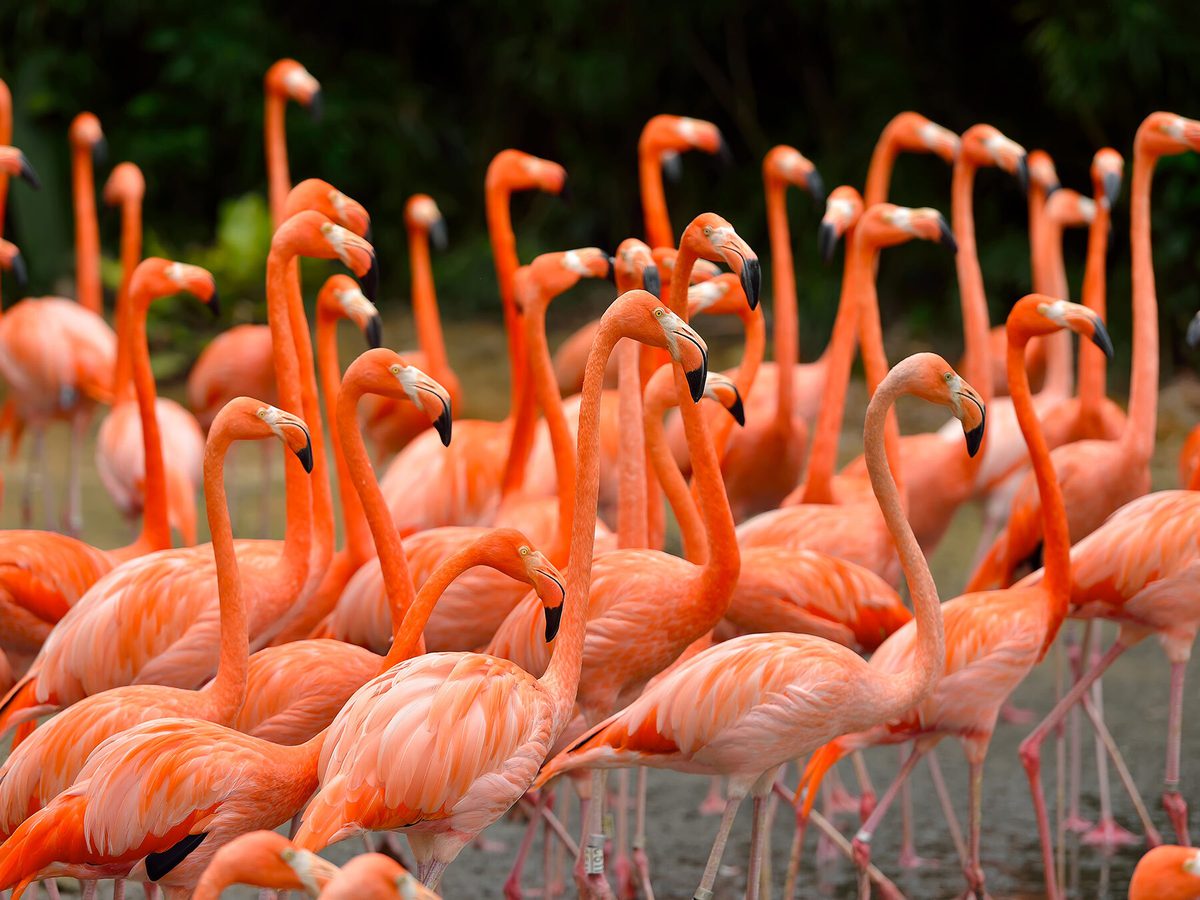
A group of flamingos is called a flamboyance. This name fits perfectly. Flamingos are bright, colorful, and eye-catching birds. Their large groups create a stunning visual display. Watching a flamboyance is like seeing a living painting. The term captures their beauty and lively nature.
Flamingos gather in large numbers for many reasons. Their groups are not random but very important. Understanding why they come together helps us appreciate the name flamboyance even more.
Origin Of The Term
The word flamboyance comes from the French word “flamboyant.” It means something striking or showy. People used this word to describe bright colors and bold styles. Flamingos, with their pink feathers, fit this description well. The name flamboyance for their group reflects their vivid appearance. It emphasizes their beauty and the striking sight they create together.
Why Flamingos Gather
Flamingos gather for safety and social reasons. In large groups, they can watch for predators better. This keeps them safer than being alone. Groups also help flamingos find food. They feed in shallow waters where food is spread out. Together, they can find more food efficiently.
Breeding is another reason for gathering. Flamingos build nests near each other. This allows them to protect their eggs as a community. Their loud calls and movements help keep the group connected. The flamboyance is not just a pretty sight but a smart survival strategy.
Flamingo Behavior In Groups
Flamingos are famous for their striking pink color and graceful stance. They live and move in groups, which is key to their survival. These groups show interesting behaviors that help flamingos feed, protect themselves, and raise their young. Understanding how flamingos act in groups reveals much about their social life and habits.
Social Structure
Flamingos gather in large groups called flamboyances. These groups can have hundreds or even thousands of birds. Living in such big groups offers safety from predators. Flamingos communicate through body movements and calls. They often stand close, preen each other, and perform synchronized dances. This helps strengthen bonds and maintain order inside the group. Young flamingos stay near adults for protection and learning.
Feeding And Nesting Habits
Flamingos feed together by stirring up mud with their feet. This action brings tiny plants and animals to the surface. They use their unique beaks to filter food from the water. Feeding in groups improves their chances of finding enough food. When it is time to nest, flamingos build mud nests close to each other. This closeness helps protect eggs from predators and harsh weather. Both parents take turns caring for the eggs and chicks.
Visual Impact Of Flamingo Groups
Flamingo groups create a stunning visual spectacle in nature. Their bright pink feathers and elegant posture catch the eye from a distance. Watching a large group move together feels like seeing living art. The sight is both calming and mesmerizing. It draws many nature lovers and photographers alike.
Color And Movement
Flamingos’ pink color varies with diet and age. In groups, this creates a sea of soft pink shades. Their synchronized movements add to the beauty. When they walk, fly, or feed together, it looks like a carefully planned dance. This natural choreography highlights their grace and unity. The color and movement combined make flamingo groups unforgettable.
Photographic Appeal
Photographers love capturing flamingo groups for their vibrant look. The contrast of pink birds against blue water or green marshes makes striking photos. Large flocks offer many angles and patterns to shoot. Photos of flamingos often go viral for their eye-catching colors. Their reflections in water add extra charm. This visual appeal helps raise awareness about flamingo conservation.
Credit: birdfact.com
Other Animal Group Names
Animal group names can be quite fascinating and often reflect unique traits of the species. These special terms help us understand how animals behave in groups. Some names are simple, while others are surprising and creative. Here are a couple of interesting examples beyond flamingos.
Zebra: A Dazzle Or Zeal
A group of zebras is most famously called a dazzle. This name comes from how their stripes blend together, creating an optical illusion. The stripes make it hard for predators to focus on one animal. Another name for a zebra group is a zeal. Both terms highlight the striking look zebras create when they gather. Zebras also live in herds, which is the most common and simple term for their groups.
Peacock: A Muster Or Ostentation
Peacocks have elegant group names that match their beauty. A group of peacocks is called a muster or an ostentation. These words reflect their showy feathers and proud display. Peacocks gather to impress with their bright colors and fan-shaped tails. The names emphasize the grandeur and ceremony in their group behavior.
Comparing Flamingos To Other Birds
Flamingos stand out among birds for their bright color and unique group behavior. Their social life and group names differ from many other birds. Comparing flamingos to other birds helps us understand their special traits better. It also reveals how birds live and move in groups.
Social Dynamics
Flamingos live in large groups called flamboyances. These groups can have hundreds or even thousands of birds. They feed, rest, and breed together. This teamwork protects them from predators and helps find food.
Other birds form groups too but with different sizes and rules. For example, crows gather in smaller groups called murders. Penguins form colonies to keep warm and protect their young. Each bird group has a unique social style that fits its needs.
Collective Nouns In Birds
Birds have many creative collective nouns. Flamingos are in flamboyances, a word that shows their bright and flashy nature. A group of crows is called a murder, which sounds dark and mysterious. Geese gather in a gaggle on land, but a skein in flight.
These collective nouns often describe how the birds look or behave. They make bird groups easy to identify and remember. Flamingos’ flamboyance is one of the most colorful and lively collective nouns in the bird world.
Fun Facts About Flamingos
Flamingos are fascinating birds with many unique traits. Their appearance and behavior attract attention worldwide. Below are some fun facts that reveal more about these elegant creatures.
Unique Habitats
Flamingos live in salty lakes, lagoons, and wetlands. These places often have high salt or alkaline levels. Few animals survive there, but flamingos thrive. They use these habitats to avoid predators and find food.
Feeding Mechanisms
Flamingos eat by filtering water with their special beaks. They hold their heads upside down in the water. Their beaks trap tiny algae, crustaceans, and plankton. This unique feeding style helps them get nutrients efficiently.
Color Variations
Flamingos are known for their pink or reddish feathers. Their color comes from pigments in their food, mainly carotenoids. Some flamingos are pale, while others have bright hues. Diet and species cause these differences in color.

Credit: thepopularflamingo.com
Frequently Asked Questions
What Is A Flock Of Flamingos Called?
A group of flamingos is called a flamboyance. This term reflects their bright colors and striking appearance. Flamingos often gather in large flamboyances to feed and breed.
What Is A Group Of Zebras Called?
A group of zebras is called a dazzle, zeal, or more commonly, a herd. “Dazzle” refers to their striped pattern confusing predators.
What Is A Group Of Peacocks?
A group of peacocks is called a muster, an ostentation, or a party. “Muster” often refers to males, while “harem” is used for females. These terms reflect their grand, colorful displays and social behavior.
What Is A Group Of Jellyfish?
A group of jellyfish is called a smack. Jellyfish often gather in smacks while drifting through oceans.
Conclusion
A group of flamingos is called a flamboyance. This name fits well because flamingos look bright and showy together. They gather in large numbers to feed, rest, and protect each other. Seeing a flamboyance is a beautiful sight in nature.
Now, whenever you spot these pink birds, you know the special word to describe their group. It makes learning about animals even more fun. Keep exploring animal facts and enjoy the wonders of wildlife!