

Have you ever spotted a charming bird with a colorful beak and wondered, “Where do puffins live?” These delightful seabirds might look like tiny tuxedoed penguins, but their homes and habits are quite unique. If you’re curious about where you can find puffins in the wild, whether in the U.S., Europe, or beyond, you’re in the right place.
Understanding their favorite habitats will not only satisfy your curiosity but also help you appreciate these fascinating creatures even more. Keep reading to discover where puffins make their homes, why they choose these places, and how you might catch a glimpse of them yourself.
Puffin Habitats
Puffins live in special places that suit their unique lifestyle. Their habitats provide safety for nesting and easy access to food. These birds thrive where land meets the sea. Coastal areas with cliffs and islands form their preferred homes. The surrounding marine environment supports their feeding habits. Understanding puffin habitats helps us appreciate their natural world.
Northern Hemisphere Range
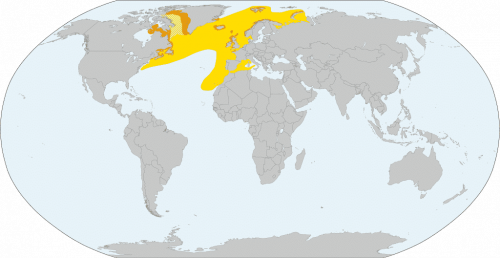
Puffins live mostly in the Northern Hemisphere. They are found around the North Atlantic and parts of the North Pacific Ocean. Countries like Iceland, Norway, Canada, and the United Kingdom have large puffin populations. These birds prefer cooler climates near the ocean. Their range extends from the Arctic down to temperate coastal areas.
Coastal Cliffs And Islands
Puffins choose steep cliffs and isolated islands for nesting. These locations protect them from predators. Puffins dig burrows or use rocky crevices to lay eggs. Islands offer a safe space away from land animals. Coastal cliffs provide easy flight access to the sea. These habitats are crucial during their breeding season.
Marine Environment
The ocean is vital for puffins’ survival. They spend much time swimming and diving for fish. Cold, nutrient-rich waters support abundant fish, their main diet. Puffins catch small fish like sand eels and herring. The marine environment also offers protection from some threats on land. Clean, healthy waters ensure puffins find enough food year-round.

Credit: www.allaboutbirds.org
Major Puffin Populations
Puffins are seabirds famous for their colorful beaks and charming looks. They live mostly in cold ocean regions of the Northern Hemisphere. Major puffin populations gather in specific places where they find food and safe breeding spots. These areas host thousands of puffins during the breeding season. Understanding where these populations thrive helps in their protection and study.
Iceland’s Puffin Colonies
Iceland holds the largest puffin population in the world. Millions of puffins nest along its rocky coastlines. The country’s cliffs offer safe homes away from predators. Puffins dig burrows or use crevices to lay eggs. Iceland’s rich waters provide plenty of fish for feeding chicks. This makes it an ideal habitat for puffin colonies.
North American Sites
In North America, puffins mainly live along the Atlantic coast. Maine’s islands are famous puffin breeding grounds. These islands are protected and attract many bird watchers. Puffins also nest on some Canadian coasts, like Newfoundland and Nova Scotia. Here, they find safe nesting sites and abundant food. These sites are crucial for the puffin’s survival in North America.
European Breeding Grounds
Europe hosts puffin colonies mostly around the North Sea and the Atlantic coast. Countries like Norway, Scotland, and Ireland have strong puffin populations. Coastal cliffs and offshore islands serve as nesting spots. Puffins return here every year to breed and raise their young. These sites are vital for maintaining Europe’s puffin numbers.
Puffins In The United States
Puffins are charming seabirds found in cold coastal waters. In the United States, their presence is limited but special. The Atlantic puffin is the only species that nests in the U.S., mainly along the Maine coast. These birds spend most of their lives at sea, returning to land only to breed. Their colorful beaks and striking black and white feathers make them easy to recognize. Understanding where puffins live helps protect their fragile habitats and ensures they thrive for years to come.
Maine’s Ocean Islands
Maine’s ocean islands provide perfect homes for puffins. These islands have rocky shores and grassy areas where puffins dig burrows. The cold Atlantic waters nearby are rich with fish, the puffins’ main food source. The islands’ isolation keeps puffins safe from many predators. Several protected islands, like Eastern Egg Rock and Seal Island, are known puffin habitats. These places attract bird watchers hoping to see puffins up close during the summer months.
Nesting And Breeding Areas
Puffins arrive at nesting sites in spring to breed and raise chicks. They create burrows in soft soil or use natural rock crevices. Inside these burrows, puffins lay one egg each season. Both parents take turns feeding the chick small fish. The breeding season lasts a few months, after which puffins return to the sea. These nesting areas are crucial for puffin survival, offering shelter and safe spaces for young birds to grow. Conservation efforts help protect these sites from human disturbance and environmental threats.
Puffins In Canada
Puffins in Canada are a captivating sight along the Atlantic coast. These colorful seabirds thrive in cold ocean waters and rocky shorelines. Canada hosts a large population of puffins, making it a key country for their survival and observation.
Many people travel to Canada to see puffins during their breeding season. The birds return to the same spots every year to nest and raise their young. Understanding where puffins live in Canada reveals much about their habits and habitat needs.
Atlantic Puffin Range
The Atlantic puffin’s range in Canada stretches along the eastern coastline. They inhabit islands and cliffs from Newfoundland and Labrador down to Nova Scotia. The birds spend most of their lives at sea but come ashore to breed.
During the breeding season, puffins gather in large colonies on rocky islands. They prefer places with easy access to fish-rich waters. These areas provide food and safety from predators.
Key Breeding Locations
Canada’s top puffin breeding sites include the Witless Bay Ecological Reserve in Newfoundland. It is home to one of the largest puffin colonies in North America. Other important sites are Machias Seal Island and the Funk Island group.
These locations offer ideal nesting conditions. Puffins dig burrows or use crevices in the rocks to lay eggs. The protection these sites provide helps puffin populations remain stable.
Differences Between Puffins And Penguins
Puffins and penguins often confuse many because of their similar black-and-white colors and aquatic lifestyles. They look alike but belong to very different bird families. These differences affect where they live, how they move, and their behavior. Understanding these facts helps clarify their unique traits.
Habitat And Distribution
Puffins live in the Northern Hemisphere. They prefer cold ocean waters near coasts and islands. You find them around the North Atlantic and parts of the North Pacific. Penguins live in the Southern Hemisphere. Most species live in Antarctica and nearby islands. Some penguins live in South America, Africa, and Australia. Puffins nest in cliffs or burrows. Penguins often nest on rocky shores or ice.
Flight Capabilities
Puffins are skilled flyers. They flap their wings fast to stay in the air. Their wings are strong and shaped for flying and swimming. Penguins cannot fly. Their wings evolved into flippers for swimming underwater. Penguins use these flippers to “fly” through water, chasing fish.
Physical And Behavioral Traits
Puffins have hollow bones to keep them light for flight. Penguins have solid bones to help them dive deep. Puffins belong to the auk family. Penguins belong to the spheniscidae family. Both birds dive to catch fish but use different methods. Puffins use their wings to swim underwater. Penguins use their flipper-like wings for powerful swimming. Puffins often live in colonies on cliffs. Penguins live in large groups on ice or rocky beaches.
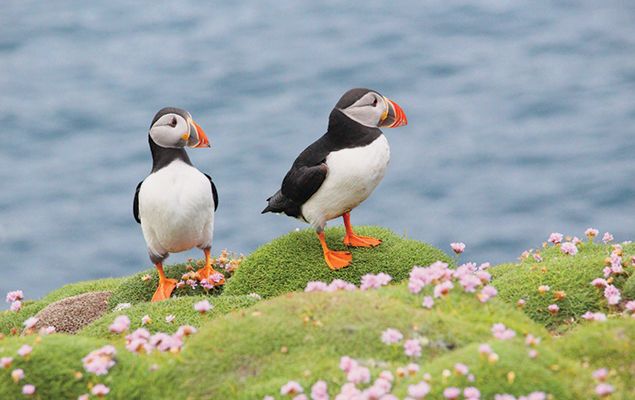
Credit: www.natgeokids.com
Puffin Adaptations For Habitat
Puffins have unique traits that help them live well in their coastal and ocean habitats. These birds thrive in cold, rocky environments where the sea meets the land. Their bodies and behaviors suit both the water and cliffs where they nest. Understanding these adaptations shows how puffins survive and flourish in harsh conditions.
Diving And Swimming Skills
Puffins are excellent swimmers and divers. Their wings are strong and short, allowing them to “fly” underwater. They use their feet to steer, moving quickly to catch fish. Puffins can dive as deep as 60 meters to find food. Their bodies are streamlined for smooth, fast movement in water.
Nesting Habits
Puffins nest on rocky cliffs or islands, safe from many predators. They dig burrows or use natural crevices to lay eggs. These nests protect their young from harsh weather and animals. Puffins often return to the same nesting site every year. This loyalty helps them raise chicks in a familiar, secure place.
Diet And Feeding
Puffins mainly eat small fish like herring and sand eels. They catch several fish at once, holding them crosswise in their beaks. Their beaks have special spines to keep the fish from slipping. Puffins feed at sea but return to land to feed their chicks. This diet provides the energy needed for their active lifestyle.
Where To See Puffins Today
Puffins are charming seabirds that capture the hearts of many. Their bright beaks and clumsy flight make them easy to spot. Many places around the world offer chances to see puffins up close. These locations protect puffin colonies and provide safe habitats.
Watching puffins in their natural homes is a special experience. Knowing where to go and when to visit helps make the trip successful. Here are some popular spots and the best times to observe puffins in the wild.
Popular Viewing Locations
The coasts of Maine, USA, host the only puffin breeding sites in the country. Eastern Canada, especially Newfoundland and Nova Scotia, is another key area. Iceland attracts thousands of puffins each year with its rocky shores. The Faroe Islands and Scotland also have large puffin populations. These islands offer boat tours and guided walks for visitors. Coastal Norway features puffin colonies along fjords and islands. Each place has unique landscapes that highlight puffin life.
Best Seasons For Observation
Puffins spend most of the year at sea. They return to land to breed in the spring and summer months. The best time to see puffins is from April to August. During these months, puffins come ashore to nest and raise chicks. Early summer shows puffins with their brightest colors. By late summer, young puffins start learning to fly and fish. Visiting during this period offers lively scenes of puffin activity.
Credit: www.aurora-expeditions.com
Frequently Asked Questions
Where Do Puffins Live In The Us?
Atlantic puffins nest exclusively on coastal islands in Maine, the only US state where they breed and live.
Where Do Puffins Live In Canada?
Puffins in Canada live mainly on Atlantic coastal islands, including Newfoundland, Labrador, and Nova Scotia. They nest in burrows on rocky cliffs near the ocean. These areas provide ideal breeding grounds and abundant fish for feeding.
Is A Puffin A Penguin?
No, a puffin is not a penguin. Puffins fly and live in the Northern Hemisphere. Penguins cannot fly and live in the Southern Hemisphere. Both look similar but belong to different bird families.
Where Do Most Puffins Live In The World?
Most puffins live in the North Atlantic Ocean, especially around Iceland, Norway, Greenland, and eastern Canada.
Conclusion
Puffins live mainly on northern ocean coasts and islands. They prefer rocky cliffs and grassy burrows for nesting. These birds thrive in cold waters rich with fish. You can spot puffins in places like Maine, Iceland, and parts of Canada.
Their unique black and white feathers help them blend into their environment. Puffins are strong swimmers and flyers, making them special among seabirds. Knowing where puffins live helps protect their homes and supports wildlife watchers. Their habitats need care to keep puffin populations healthy and growing.